


Sonor Beginner Drum Kits: The Ultimate Buyer's Guide
- Posted on
- By Joel
- Posted in Beginner Kits, Sonor
- 0
Starting out on the drums, or buying a first kit for someone else? Our team of professional working drummers talks you through the Sonor beginner range, the AQX, AQ1, AQ2 and the compact Safari, covering what you actually get in the box, which kit suits which player, and the head upgrade that takes any of them up a level. Come and play them in our Fareham showroom, or read on to find the right one.
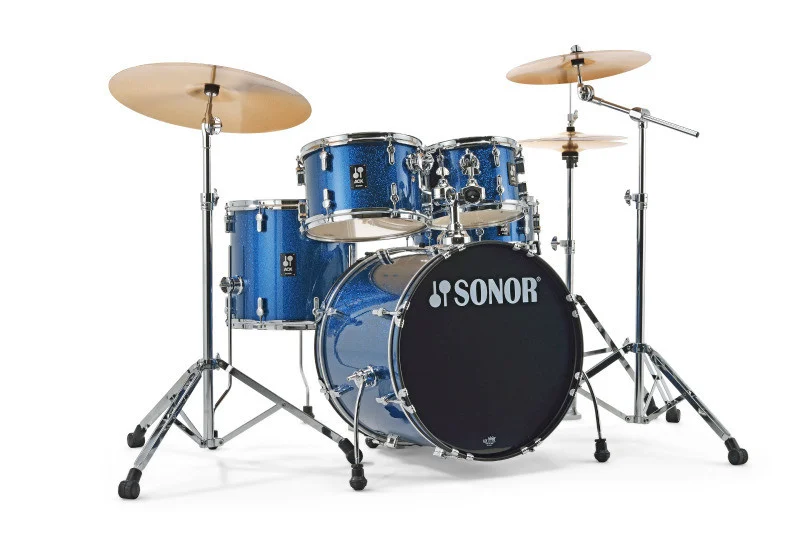
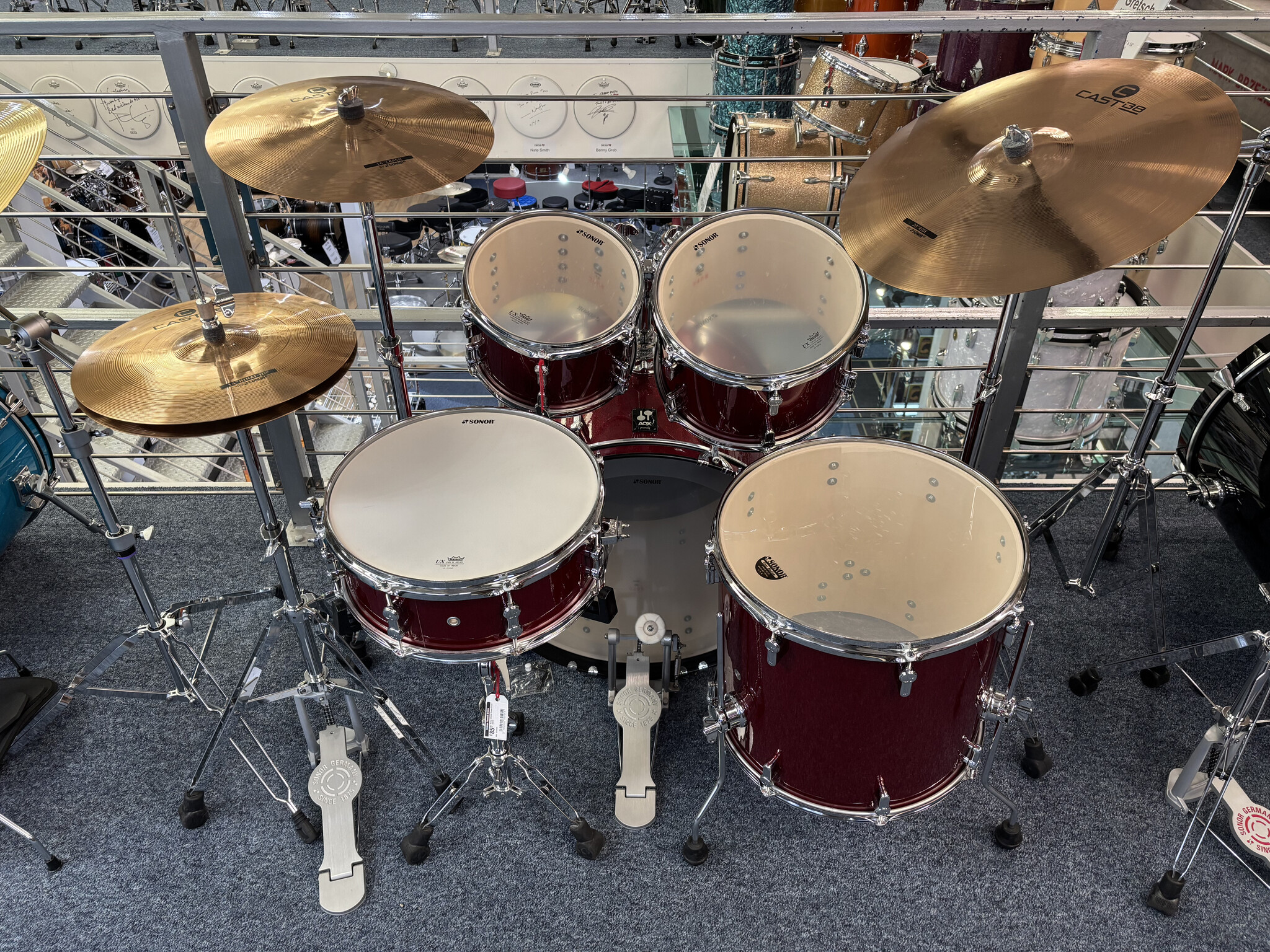
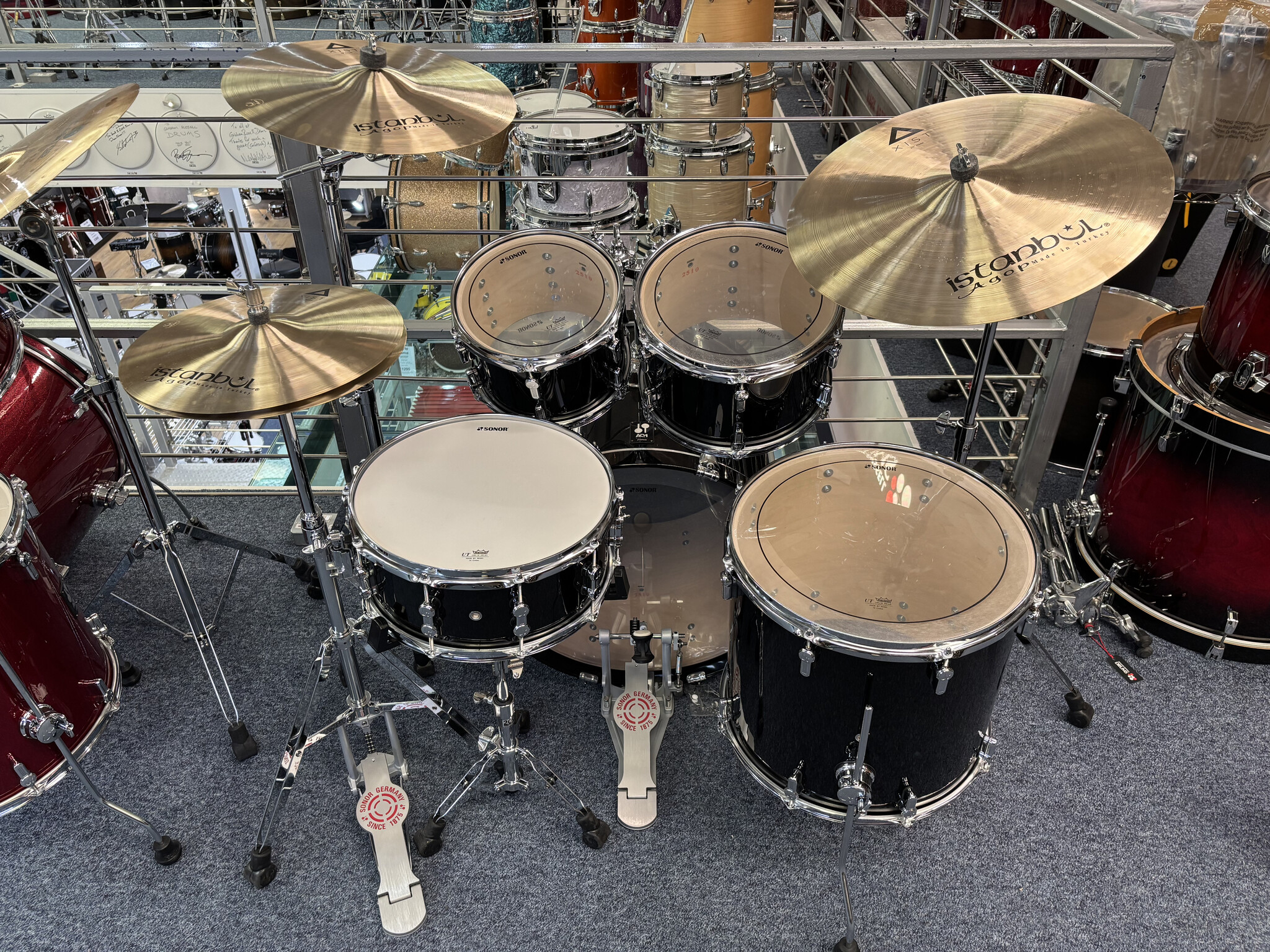
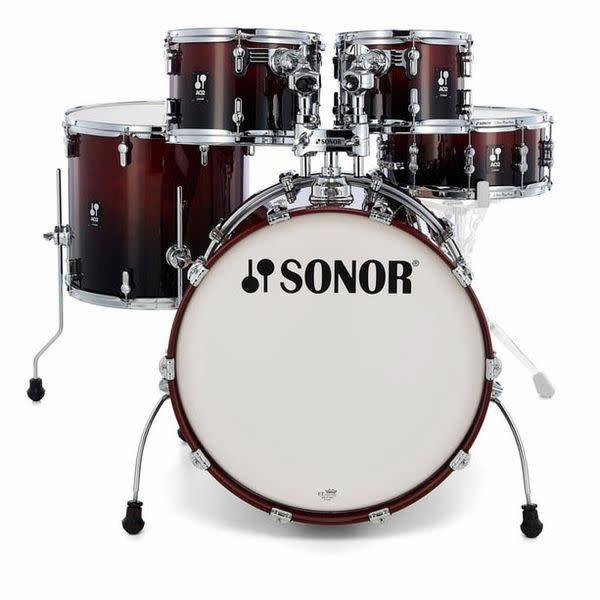
So you, or someone you love, want to start playing the drums. Brilliant decision. It is one of the most fun and most addictive things you can do, and the kit you learn on makes a real difference to how much you enjoy those first few months. Which kit suits a beginner is one of the questions we get asked the most, whether it is a parent buying a first kit for a ten-year-old or an adult finally scratching a lifelong itch. We are a team of professional working drummers, we carry the full Sonor beginner range, and helping people choose the right first kit is something we do every day. These kits are almost always all set up on the floor of our Fareham showroom, so you are always welcome to come and play them before you decide. The range runs from the AQX, through the AQ1 and AQ2, up to the compact AQ2 Safari. Here is how they differ, what you actually get in the box, and which one we would point you towards. Answer these and most of the decision makes itself, before you even land on a particular kit. A full-size kit with a 22 inch bass drum needs a bit of space and makes a proper acoustic racket, which is all part of the fun. If you are tight on space, or the neighbours are close, a smaller kit with a 16 or 18 inch bass drum is easier to live with. More on the compact options further down. This is the one that catches people out, so let us be clear. To play, a drum kit needs three things: the shells (the drums themselves), the hardware (the stands and the bass drum pedal) and the cymbals. Some kits include all three, some give you the hardware but not the cymbals, and some are sold as a shell pack with neither. We spell out exactly what you get for each kit below, so there are no nasty surprises at the checkout. A new kit comes with a full warranty and no history to worry about, which suits most first-time buyers. We always have a good range of used kits too, so it is worth asking if you fancy more drum for your money. Spending a little more early on usually buys you a better shell and hardware that lasts, which pays off if you stick with it. That said, the dearest kit is not always the right one. We are drummers, not salespeople, and we will happily tell you when a cheaper kit is the smarter buy. Our general advice to first-time buyers is that the priority in purchasing your first kit (or any future kits for that matter) is to get the best cymbals you can, then prioritise the snare and then the shells of the rest of the drums. You can tune a drum and change its head, but you can't tune a cymbal. Here is the thing most people do not know when they start out. The wood the drums are made from changes how they sound, and it is the main thing separating these kits. It is also, handily, the quality ladder across the Sonor beginner range. Poplar (the AQX) is a softer, affordable wood with a warm, forgiving sound and a gentle attack. Ideal for learning on. Birch (the AQ1) is brighter and more focused, with a punch and projection that cuts through when you play with a band. Maple (the AQ2 and the Safari) is the warmest and most musical of the three. It responds to how hard you hit it, records beautifully, and only sounds better as you improve. The more you play, the more you will appreciate climbing that ladder. But there is no wrong rung to start on. Always check the live product page for current availability, included components and finishes. If you are weighing two of them up directly, here is how they stack against each other. This jump is really two upgrades in one. The poplar shells become brighter, punchier birch, and you move from an everything-in-the-box package to a shells-and-hardware kit that you add your own cymbals to. Go AQX if you want the simplest, cheapest complete start. Go AQ1 if you want a better-sounding drum and do not mind sorting cymbals. Now it is birch against maple. The birch AQ1 is bright, focused and cuts through; the maple AQ2 is warmer, rounder and more musical, and it rewards you more as you improve. The AQ1 also comes with hardware, while the AQ2 is a shell pack (we usually bundle it with hardware here). If you know you are sticking with it and want a kit to grow into, the AQ2 is the one. If you want gig-ready and great value today, the AQ1. These are the two ends of the range: the AQX is the easiest, most affordable complete starter, and the AQ2 is the proper maple kit you will not outgrow. For an outright first kit, especially for a child, start with the AQX. If the budget stretches and you want one kit for the long haul, go AQ2. Whichever pair you are torn between, bring it to us or give us a call, and we will talk you through the differences in plain English. Pictured: Sonor AQX 22" Stage Drum Kit in Red Moon Sparkle with cymbals and hardware . If you want the simplest possible start, this is it. The AQX is Sonor's newest entry-level range, and the AQX Complete kits are about as close to "open the box and play" as drums get. The Stage (22 inch bass) and Studio (20 inch bass) versions come with the lot bar sticks and a stool: poplar shells, a Sonor 1000 Series hardware set, and a set of B8 bronze cymbals (hi-hats, a crash and a ride). The poplar shells are warm and forgiving, easy to tune while you are finding your feet, and Sonor's clever TuneSafe lugs help the kit stay in tune rather than drifting on you. Short on space? There are compact AQX shell packs too, the 18-inch Jazz, the 16-inch Jungle and the 14-inch Micro. These are shell packs, so no hardware or cymbals, but they tuck into a corner and still sound like a real kit. It is the kit we point most first-timers and parents towards, simply because there is nothing else to buy and nothing to puzzle over. Fair warning: poplar is a learning shell rather than a pro one, and the stock heads are worth upgrading once you are up and running (more on that below). Pictured: Sonor AQ1 22" Stage Birch Drum Kit in Piano Black with HS 2000 Hardware Pack , set up with the Istanbul Agop XIST IXCS3 Cymbal Set , which we recommend as a strong cymbal upgrade for this kit. Ready to spend a bit more for a noticeably better drum? The AQ1 steps up from poplar to 100% birch shells, and you can hear it. Birch gives a sharp, focused, punchy tone with real projection, the kind of sound that holds its own in a band. It runs the same SmartMount tom suspension and TuneSafe lugs you will find much further up the Sonor range, so it is far better built than the price suggests. Best of all, it comes with a full 5-piece 2000 Series hardware set and a double tom holder, so it is gig-ready straight away. It does not include cymbals, so factor those in, and we are happy to sort you a starter cymbal pack to match. You can have it as the 22 inch Stage or the 20 inch Studio, in finishes including Piano Black, Piano White and the lovely Caribbean Blue. This is the one for the beginner who already knows they are hooked and wants a drum that sounds the part, as long as you do not mind adding cymbals. Pictured: Sonor AQ2 20" Studio Maple Drum Kit in Brown Fade . This is where things get serious. The AQ2 is built from 7-ply all-maple shells, and maple is the classic choice for proper kits for good reason: it is warm, resonant and genuinely musical, it responds to how you play, and it records a treat. SmartMount and TuneSafe run right through it. Its other trick is choice. The AQ2 comes in five configurations, each built around a different bass drum: the 22 inch Stage, 20 inch Studio, 18 inch Bop, 16 inch Safari and 14 inch Martini. So you can match it to your room and the music you love. It is sold as a shell pack, which means no cymbals, although we usually pair it with a hardware pack as a bundle to keep things simple. If you, or your budding drummer, are in this for the long haul, the AQ2 is a kit to grow into rather than replace. Pictured: Sonor AQ2 16" Safari Drum Kit in White Pearl . Short on space? Meet the Safari, the AQ2's compact little sibling. It is built around a 16 by 15 inch bass drum, with a 10 by 7 inch tom, a 13 by 12 inch floor tom and a 13 by 6 inch snare, and a bass-mounted holder to keep the whole thing tidy. You get all the warmth and easy tuning of maple in a kit that happily lives in a small bedroom, a rehearsal room, or the boot of the car. It is a shell pack, so no hardware or cymbals, but because it is part of the AQ2 family it shares the same shells and fittings as the full-size kits. In other words, it is a proper maple kit, not a toy that has been shrunk down. Perfect for a teenager's bedroom, a tight rehearsal space, or anyone who wants a real kit without giving up half the room. If you twisted our arm: Still scratching your head? That is exactly what we are here for. Give us a call on 01329 834012 , drop us a message, or better still pop into the showroom and have a play. We are drummers too, and we would much rather help you walk away with the right kit than the dearest one. You can also browse the full Sonor beginner drum kits range whenever you like. Here is a tip we share with almost every beginner once the new-kit excitement has settled. The quickest and cheapest way to make any of these kits sound dramatically better is to change the heads. The shells are great, but the heads fitted on entry kits are the weak link, and a decent set transforms the sound for not a lot of money. This is the single biggest upgrade you can make to the AQX, and it lifts the AQ1 and AQ2 too. On the toms, a set of two-ply heads like the Evans G2 or Remo Emperors. Two plies give you a fatter, fuller, more controlled tone with far less of the uncontrolled ring you get from thin stock heads, and they stand up to a learner's enthusiasm a lot longer. Most of these kits take one of two packs: Coated or clear comes down to taste. Clear heads give you a bit more attack and cut, coated heads are warmer with a touch more control. Every pack comes in both, so if you fancy a clear Rock pack or a coated set for a 22, just ask and we will sort it. (Compact kits like the Safari use a 10 and a 13, which is not a standard pack, so grab those as singles) On the kick, an Evans EMAD. This is the one that makes people grin. The EMAD comes with two clip-in foam damping rings, so you can dial in exactly how much punch and thump you want without ever reaching inside the drum, and it turns a boxy stock kick into one that genuinely dominates. Match it to your bass drum: A G2 pack on the toms and an EMAD on the kick is a small spend that punches well above its weight, and it is the first thing we would do to any of these kits. After the heads, think about cymbals. Cymbals are where you will hear the next big jump. The B8 cymbals on the AQX Complete are perfectly good to learn on, but stepping up is one of the most satisfying upgrades there is, and the most personal too, because every cymbal sounds different. Rather than rush it, have a read of our Beginner Cymbal Buyer's Guide for what to listen for, and when you are ready, come and try some in The Cymbal Loft , our dedicated cymbal room and the largest cymbal showroom in the country. You can play them next to a kit like yours before you spend a penny. It depends on the kit. The AQX Complete kits give you hardware and a set of B8 cymbals. The AQ1 comes with hardware but no cymbals. The AQ2 and Safari are shell packs, so you add hardware and cymbals separately, although some AQ2 listings may be offered with a hardware package. Whatever you are looking at, we list exactly what is included on the individual product page. A 22-inch bass drum gives you a fuller, deeper sound and suits rock and pop. A 20-inch bass drum is a great all-rounder. A 16-inch or 18-inch bass drum, such as those found with the Safari and Bop configurations, is ideal for smaller rooms and easier transport. Either is fine, and the main difference is one tom. A five-piece kit, with two rack toms and a floor tom, gives you more sounds to move around and is the most common setup, especially for players working through drum grades. A four-piece kit, with one rack tom and one floor tom, is simpler and takes up less space. For a first full-size kit, we usually suggest a five-piece. For a smaller room or easier transport, a four-piece is a great choice. Very. Sonor’s beginner kits use design features found across its wider ranges, including reliable lugs and practical tom-mounting systems. The build quality is excellent for the money, and the kits hold their tuning well. The AQ1 uses birch shells, which give it a bright, focused and punchy sound. The step-up AQ2 uses maple shells, producing a warmer and more resonant character. You do not have to, but changing the heads is one of the best-value upgrades you can make. The shells on these Sonor kits are very capable, but better-quality heads can make the sound fuller, more controlled and easier to tune. A set of two-ply Evans G2 or Remo Emperor heads on the toms, paired with an Evans EMAD or similar bass drum head, can transform the kit, particularly on the AQX. Acoustic kits offer the natural sound, feel and response of real drums. Electronic kits are much easier to manage when noise and neighbours are the main concern. We are the UK's largest drum store, and we are a team of professional working drummers, so the person you speak to actually plays. Our 5000 square foot showroom in Fareham spreads across two floors and has been called drum heaven by the drummers who visit, and it is home to The Cymbal Loft, the largest cymbal showroom in the country, where you can try before you buy. Come and see, hear and play any of these kits before you commit. We offer next day delivery on orders placed before 2pm, an easy returns policy, and finance so you can spread the cost. I have been part of Graham Russell Drums since I was 15 in 2019 and now work here full-time. Starting on the shop floor, I have built and tuned hundreds and hundreds of drum kits across every price point and playing style, advised everyone from families buying a first kit to international touring drummers, and had my knowledge sharpened further by years of in-store clinics and masterclasses with some of the world's finest players. The advice here comes from that experience, not a spec sheet.Sonor Beginner Drum Kits: The Ultimate Buyer's Guide
First, a few things to think about
How much room have you got, and how much noise can you make?
What is actually in the box?
New or used?
Budget.
The bit nobody tells you: poplar, birch and maple
The Sonor beginner range at a glance
Kit
Shells and sound
Bass drum sizes
What you get
Who it suits
Sonor AQX
Poplar. Warm, forgiving, easy to tune.
22" Stage, 20" Studio, plus 18" and 16" compacts
Complete kits include shells, hardware and B8 cymbals. Compacts are shell packs.
A first kit, kids, anyone who wants it all in one box
Sonor AQ1
Birch. Bright, focused, punchy.
22" Stage, 20" Studio
Shells plus 2000 Series hardware and a tom holder. No cymbals.
A keen beginner who wants a better drum
Sonor AQ2
Maple. Warm, resonant, musical.
22", 20", 18", 16", 14"
Shell pack. No cymbals; hardware depends on the bundle.
Someone in it for the long haul, after a kit to grow into
Sonor AQ2 Safari
Maple. Compact, warm, quick.
16"
Shell pack with a bass-mounted holder. No hardware or cymbals.
Small rooms, travel, teenagers
AQX vs AQ1 vs AQ2: the short version
AQX vs AQ1
AQ1 vs AQ2
AQX vs AQ2
Sonor AQX: the easy way in
Sonor AQ1: birch shells, hardware in the box
Sonor AQ2: the all-maple step up
Sonor AQ2 Safari: maple in a small space
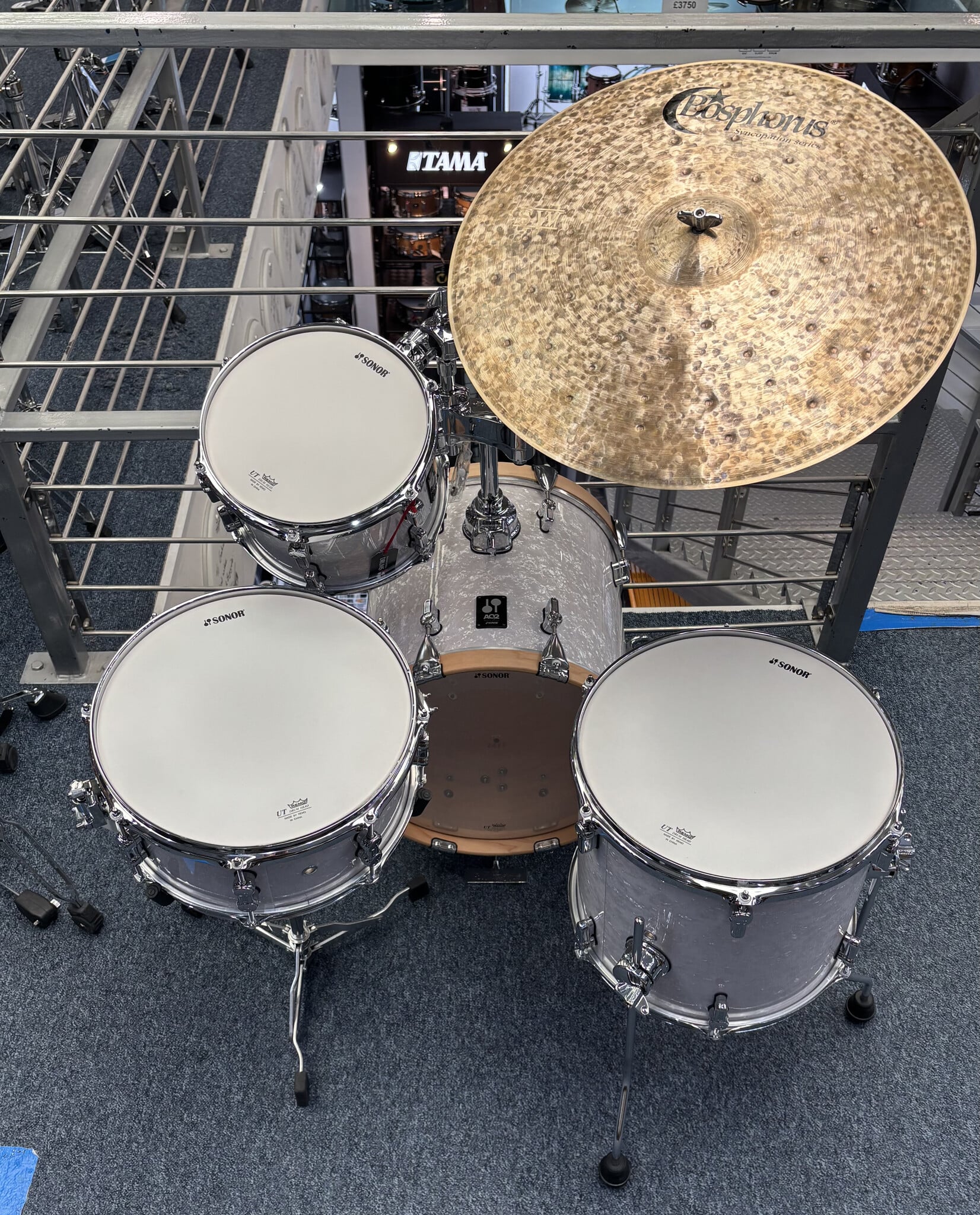
So, which one should you get?
One upgrade that takes any of these kits up a level
Frequently Asked Questions
Do Sonor beginner kits come with cymbals and hardware?
What size bass drum should a beginner get?
Is a four-piece or five-piece kit better for a beginner?
Are Sonor drums good for beginners?
Is the Sonor AQ1 birch or maple?
Should I change the heads on a brand-new kit?
Should a beginner choose an acoustic or electronic drum kit?
Why buy from Graham Russell Drums?












Comments
Be the first to comment...