


Ultimate Guide to Code Drum Heads: Which One Should You Choose?
- Posted on
- By Alex
- 0
The Guide Breaks down the full range of Code Heads we stock at Graham Russell Drums, and helps you choose which one is right for you!
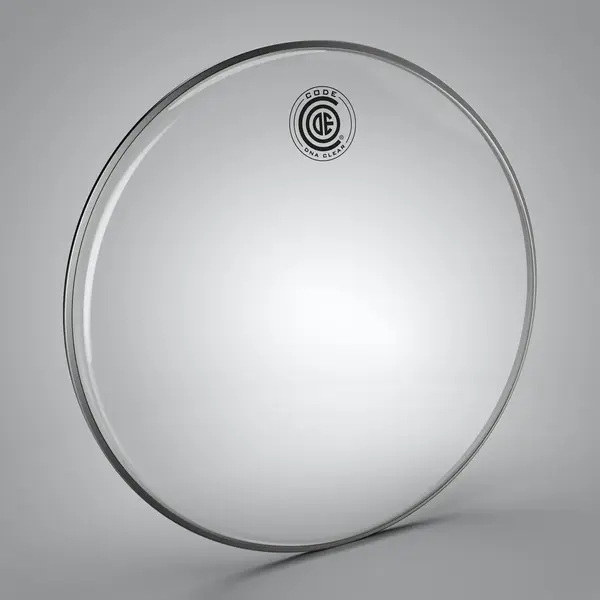
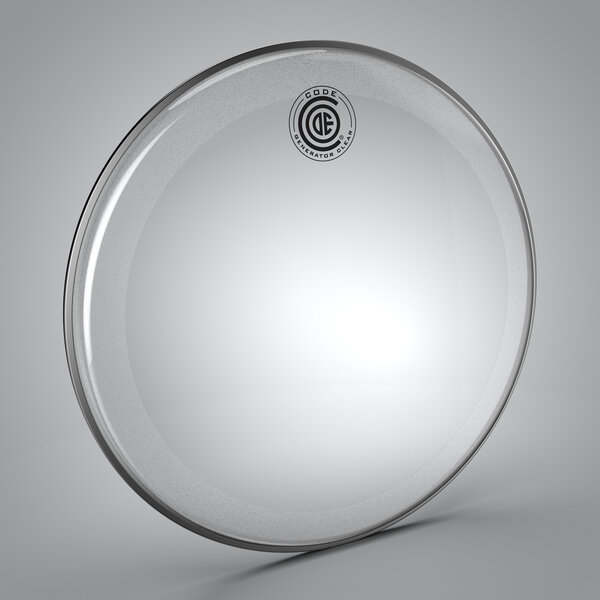
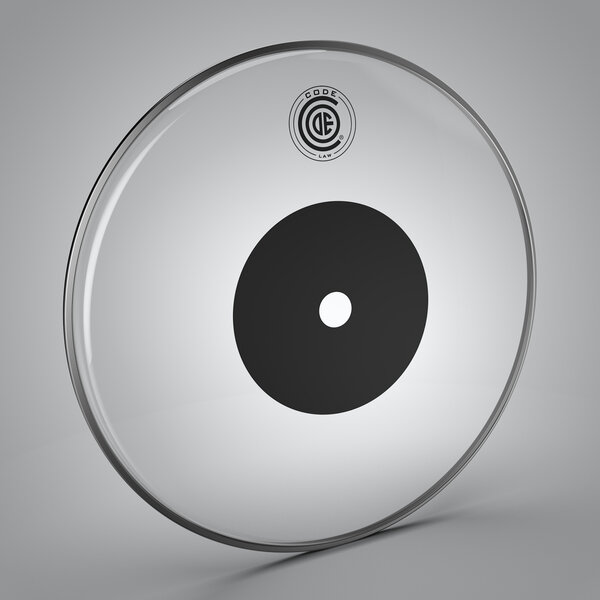
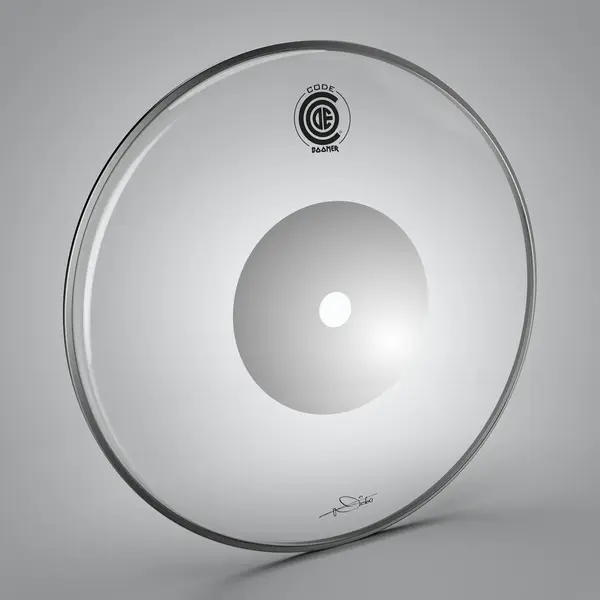
Choosing new drum heads can transform the sound and feel of a kit, but the number of different constructions available can make it difficult to know where to start. Code Drum Heads offer a wide range of tom, snare, bass drum and resonant heads, covering everything from open 10mil single-ply designs to heavier two-ply heads, centre-dot options and internally controlled bass drum heads. Code is a UK drum head brand with a broad range of designs for different sounds, playing styles and applications. DNA, Generator, Signal, LAW, Zero, Blast and the rest of the range use genuinely different constructions, so the aim of this guide is to explain what each head does and help you choose the right option for your drums. Their accessible pricing is an additional advantage, particularly when re-heading more than one drum or experimenting with a new setup. Written by Alex Neave | July 2026 Code covers single-ply, double-ply, coated, clear, dot, dampened, batter and resonant designs, so there is no single Code sound. This guide focuses on how the individual ranges differ and which application each one suits. The tuning ranges given below are broad starting points rather than fixed rules. For a full explanation of ply count, coatings, batter and resonant heads, tuning and head construction, read our Complete Guide to Choosing Drum Heads. All Code heads use PET film and the company's Grip-Tight rim design. Rather than gluing the film into the hoop, Code uses a deep, double-knurled steel core that is crimped inside an aluminium or steel outer rim depending on the range. Code says this construction is designed to keep the film secure while allowing the head to resonate freely, tune easily and hold its tuning. There is also one practical difference when fitting them: Code advises that the heads do not need the heavy physical pressure sometimes used to seat a glued drum head. Fit the head, bring it up to tension evenly and tune as normal rather than deliberately forcing it down until it cracks. Across the range, Code offers conventional single-ply heads, thicker 14mil single-ply options, controlled two-ply designs, specialist resonant heads, dedicated snare batters, multiple snare-side thicknesses and complete bass drum batter/resonant combinations. DNA is the easiest place to start in the Code range. It uses a single 10mil ply and is available in clear or coated finishes. DNA Clear is intended for either batter or resonant use and produces the most open, conventional response in the range, while the coated version brings a slightly warmer character and is equally useful on toms or snares. Typical tuning range: low to high. Choose DNA if: you want maximum versatility, an open note and relatively little built-in control. For players already familiar with other drum-head ranges, DNA sits in the familiar 10mil single-ply category occupied by heads such as the Remo Ambassador and Evans G1. That is useful as a reference point, but the aim here is to choose Code heads by their own construction and sound rather than treat every model as a one-for-one copy. Also available: Code DNA Coated Generator uses two 7.5mil plies with a bonded outer ring. Compared with DNA, the note is designed to develop and decay faster, with less sustain and more natural overtone control. It is available in both clear and coated versions and is an obvious choice for drummers who like their toms punchy and focused without relying entirely on external dampening. Typical tuning range: low to medium-high, with its controlled character especially useful at lower and medium tunings. Choose Generator if: you want a strong attack, shorter decay and a more controlled two-ply tom sound. Generator already provides more control at the head itself. External gels, rings or other products can still be useful when a particular drum or room needs further adjustment; our Drum Dampening Breakdown explains the different options without assuming every ringing drum needs to be completely deadened. Also available: Code Generator Coated For most players, this is the most useful first comparison in the range. Choose DNA when you want an open, lively response and broad tuning flexibility. Choose Generator when you want more built-in control, extra durability and a shorter, punchier note. Neither is the universally better head; they solve different problems. Signal takes a different route to Generator. Instead of adding a second ply, it uses a thicker 14mil single ply. That gives it greater mass and durability than DNA while retaining the feel and response of a single membrane. Code describes Signal as having a powerful, deep tone with plenty of attack, making it an interesting option for drummers who want more weight without moving to a conventional two-ply head. Typical tuning range: low to medium-high. Choose Signal if: you like a strong single-ply attack but want more body and durability than a conventional 10mil head. View Code Signal Coated Tom Head | View Code Signal Smooth White Drum Head LAW uses a 10mil clear single ply with a surface black donut dot. The dot adds material around the centre of the head, increasing durability and focusing the response while leaving the outer area free to resonate. The result is a useful middle ground for players who like single-ply sensitivity but want extra attack and slightly less uncontrolled sustain. Typical tuning range: medium-low to high. Choose LAW if: you want the feel of a single-ply tom head with added centre durability and focus. Boomer Tom is part of Nicko McBrain's signature range. It uses a 10mil clear single ply with a 7mil chrome surface donut dot, giving the head a distinctive appearance as well as additional reinforcement at the centre. Code positions it as bright, punchy and designed to project. Typical tuning range: medium-low to high. Choose Boomer Tom if: you want a dot-equipped single-ply head with a bright, projecting response and the distinctive chrome-dot look. Batter heads get most of the attention, but your tom resonant heads have a major influence on sustain, note length and the way the drum responds to tuning changes. Many kits go through several sets of batter heads while the original resonants remain fitted for years. DNA Clear is explicitly designed for batter or resonant use. Its 10mil single-ply construction makes it the more open of Code's two main tom-resonant routes. It is the logical choice when you want the bottom head to contribute plenty of sustain and let the shell speak naturally. Typical tuning range: broad; match it to the batter depending on whether you want a longer note or a quicker decay. Choose DNA Clear underneath if: openness and sustain are the priority. RR is much more specialised. It uses a thinner 7.5mil clear single ply with an integrated clear dampening ring designed to reduce overtones and shorten decay from the resonant side of the drum. That makes it particularly interesting for players who normally control their toms heavily from the batter side but would rather build some of that control into the complete head combination. Typical tuning range: broad, but intended for controlled resonant response. Choose RR if: you want shorter decay and less resonant overtone without adding more material to the top head. I haven't personally used Code resonant heads yet, so this comparison is based on their construction and intended use rather than long-term hands-on testing. For a wider explanation of how batter and resonant tuning interact, see our drum head buyer's guide. The Code snare range covers a much wider spectrum than a single general-purpose coated head. The main choice is how much durability and control you want to add before the head begins to lose the sensitivity and openness associated with lighter single-ply designs. DNA Coated is the simplest starting point: one 10mil coated ply with an open response and no additional dot or control ring. It works as a conventional snare batter when sensitivity, articulation and versatility matter more than maximum durability. Typical tuning range: medium to high, although it can be tuned lower for a broader, more open note. Choose DNA Coated if: you want the least controlled and most traditional snare option in the Code range. Zero uses a coated 10mil single ply with a reverse black donut dot. That reinforcement increases durability and adds tone control without putting the dot on the playing surface. It is probably the easiest dedicated Code snare head to recommend for a wide variety of players because it keeps the response of a single ply while adding useful centre reinforcement. Typical tuning range: medium to high. Choose Zero if: you want an all-round snare batter with more control and durability than DNA but without moving to a heavy two-ply construction. Signal Coated uses the same 14mil single-ply concept as the tom version. On a snare, that extra thickness should favour body, strength and a more substantial feel while still retaining single-ply sensitivity. Typical tuning range: medium-low to high. Choose Signal Coated if: you want a thicker snare batter without moving to a two-ply design. Sterling moves into heavy-duty territory with two 7.5mil coated plies, a reverse black donut and a bonded edge for additional control. Code describes it as producing deep tones with strong projection and high durability. Typical tuning range: medium-low to medium-high. Choose Sterling if: you hit hard, want a thicker and more controlled snare response, or regularly find lighter single-ply heads too lively. View Code Sterling 14" Snare Head TRS is one of the most reinforced snare heads in the range. It uses two 7.5mil translucent white plies with a solid white surface donut, creating three layers through the main striking area. The design is aimed at heavy use, with bright attack, strong projection and substantial durability. Typical tuning range: medium to high. Choose TRS if: durability, attack and control are more important than the lightest possible snare response. Boomer Snare combines a 14mil coated single ply with a reverse donut dot. Code describes it as bright and projecting while retaining sensitivity, so it sits between Signal's thick single-ply idea and the heavily reinforced Sterling/TRS end of the range. Typical tuning range: medium to high. Choose Boomer Snare if: you want a durable thick single-ply snare head with added dot control and the Nicko McBrain signature connection. View Code Boomer 14" Snare Head | View Code Boomer 13" Snare Head A snare-side head is not simply a normal clear drum head fitted underneath the snare. It is considerably thinner so that the film can react quickly to the snare wires. Code offers two thicknesses: Genetic 3 and Genetic 5. Genetic 3 uses 3mil clear film, which puts it in the conventional all-purpose snare-side category. It is the straightforward recommendation for players who want sensitivity, crisp wire response and a familiar snare feel. Typical tuning range: medium-high to high, as with most conventional snare-side heads. Choose Genetic 3 if: you want the more sensitive and traditional option. Genetic 5 increases the film to 5mil. That thicker construction trades some of the lightest response for a firmer, darker and more durable character, which may appeal to heavier players or anyone looking to take some edge off an extremely lively snare. Typical tuning range: medium-high to high. Choose Genetic 5 if: you want a stronger, thicker snare-side response and do not need maximum delicacy. View Code Genetic 5 14" Snare Side Head Blast is Code's main all-purpose bass drum batter. It uses a 10mil single ply with a wide built-in dampening ring to control overtones and strengthen the low end. Clear and coated versions are available, and the combination of single-ply response with integrated control makes Blast the most straightforward starting point for most bass drums. Typical tuning range: low to medium. Choose Blast if: you want a versatile bass drum batter with useful built-in control but without an especially heavy film. Also available: Code Blast Coated Signal Bass uses a thicker 14mil single ply with an internal dampening ring. It keeps the single-ply construction but adds more film mass, with Code positioning it around a deep, powerful tone and plenty of attack. Typical tuning range: low to medium. Choose Signal Bass if: you like the concept of Blast but want a thicker and more substantial single-ply kick head. View Code Signal 22" Coated Bass Drum Head | View Code Signal 24" Smooth White Bass Drum Head Choose Blast for the more conventional 10mil feel and broad all-round use. Choose Signal Bass when you want extra thickness and a weightier single-ply response. Both already include internal control, so the amount of additional bass drum dampening you need will depend on the drum, room and sound you are chasing. Enigma is the dedicated bass drum resonant head. It uses 7.5mil film with a clear underside dampening ring and is available in smooth white or gloss black. It is designed to give the front of the bass drum a clean display-head appearance while controlling sustain from the resonant side. Typical tuning range: low to medium, adjusted to the amount of sustain and rebound required. Choose Enigma if: you want a purpose-built Code bass drum resonant head to pair with Blast or Signal Bass. Also available: Enigma Gloss Black Bass drum heads are particularly sensitive to internal and external dampening choices. Before adding more material inside the drum, it is worth hearing what the built-in control in Blast, Signal and Enigma already does. Our complete drum dampening guide covers pillows, rings, gels and other approaches in more detail. The Boomer range is Code's signature collaboration with Iron Maiden drummer Nicko McBrain, who joined Code in 2023 and is a partner in the business. The individual Tom and Snare constructions are covered above; the range is worth considering if those designs suit the response you want and you also like the distinctive Boomer identity. The value argument becomes much more important when you stop looking at the price of one drum head and start thinking about a complete kit re-head. Three or four tom batters, matching resonant heads, a snare batter, snare-side head, bass drum batter and front head quickly become a substantial purchase. Even relatively small differences between individual heads become meaningful when almost every drum needs attention. That makes Code particularly interesting for beginners upgrading stock heads. A perfectly usable drum kit can often be held back by basic factory heads, and replacing them lets the player start choosing the amount of sustain, attack and control they actually want without replacing the drums themselves. It also makes experimenting with different drum heads easier. I have personally bought a complete new set of tom heads, fitted and tuned them, and then realised that I preferred what I had been using before. There was nothing wrong with the new heads; they simply were not the sound I wanted from that kit. Drum heads are personal, and a more accessible range makes trying a thicker single ply, a controlled two-ply design or a dot head easier to justify. The same value is particularly useful for teachers, schools and rehearsal rooms where several kits may need maintaining and more than one set of heads can need replacing at once. These are starting points rather than rules. Mixing ranges can be the better choice: for example, Generator rack toms with a Signal floor tom, or DNA resonants underneath heavier batters. The advantage of understanding the construction is that you can build the setup around the sound you want rather than buying every head from one matching series simply because the names match. The drum head is only one part of the final sound. Tuning, batter and resonant tension, drum size, room acoustics and dampening can make the same head behave very differently from one kit to another. Start by choosing the head construction that gets you close to the amount of openness or control you want, then tune before adding extra dampening. For more help with drum head tuning, our Complete Guide to Choosing Drum Heads explains head construction and tuning choices, while the Drum Dampening Breakdown covers ways to shorten sustain and control overtones after the drums are tuned. Code also produces a small selection of accessories that fit naturally alongside the head range. Bass drum port holes can reinforce and finish a microphone port in a resonant head, while impact patches add protection at the bass drum beater contact point. Tone Adaptors provide removable external control when you want to shorten sustain without permanently changing the head. These accessories are useful tools rather than compulsory additions. A Generator, RR, Blast or Enigma already includes built-in control, so always listen to the drum first before adding more dampening than it needs. Code is a new range for us at Graham Russell Drums, and I have not personally played these heads for long enough to present this as a long-term hands-on review. I am still comfortable making recommendations from the construction, intended use and the wider experience we have choosing and fitting drum heads every day in the shop. What makes the range interesting is that value has not been achieved by offering one generic head and calling it a day. DNA, Generator, Signal, LAW, RR, Zero, Sterling, TRS, Blast and Enigma give you genuinely different ways to shape a kit. That matters whether you are replacing worn heads, upgrading factory heads or simply curious about trying a different construction. I also think the lower barrier to experimentation is easy to underestimate. I have changed a full set of tom batters before and only discovered after fitting and tuning them that I preferred my previous setup. That is part of learning what you like. Code makes that process easier to approach, while still giving you enough choice to build a complete setup around the sound you are actually chasing. Explore drum heads at Graham Russell Drums Code offers a broad range of useful constructions rather than a single entry-level design. The right model depends on the sound you need: DNA is open and versatile, Generator adds two-ply control, Signal uses a thicker single ply, and the range continues into specialist snare, resonant and bass drum options. Code is still relatively new to GRD, so our recommendations are based on construction and intended use rather than claiming years of firsthand testing. DNA is the best starting point for an open, versatile tom sound. Generator suits players wanting a shorter, punchier two-ply response, Signal adds weight through a thicker single ply, and LAW adds a centre dot for extra focus and durability. Boomer Tom is another dot-equipped option with a bright, projecting character. DNA uses one 10mil ply and is designed for a more open response with greater sustain. Generator uses two 7.5mil plies plus a bonded outer ring, giving it more inherent control, a faster decay and greater durability. Choose DNA for openness and Generator for punch and control. Yes. DNA Clear is designed for either batter or resonant use, while RR is a dedicated 7.5mil tom resonant head with an integrated control ring. Enigma is Code's dedicated bass drum resonant range. Snare drums require a purpose-built thin snare-side head such as Genetic 3 or Genetic 5 rather than a normal tom resonant. Start with the amount of sustain and control you want. DNA is the open all-round choice; Generator is more controlled; Signal is a thicker single ply; LAW adds dot control; Zero is a versatile snare option; and Blast is the straightforward bass drum batter. From there, choose the clear or coated finish, tuning and resonant head that best suit your kit. Written by Alex Neave I've been part of the Graham Russell Drums team since October 2025, but my connection with the shop goes back much further as a customer since 2012. Over the years I've advised drummers of all ages and experience levels, refurbished countless second-hand kits and spent a lot of time helping customers navigate the often overwhelming world of drum gear. Alongside over 13 years of playing experience, that hands-on exposure to thousands of products allows me to write buying guides based on real-world knowledge and practical experience rather than simply repeating manufacturer specifications.Quick Guide: Which Code Drum Head Should You Choose?
If you want...
Start with...
Open, versatile tom sound
DNA
Punchy, controlled toms with short sustain
Generator
A thicker single-ply feel with plenty of attack
Signal
Single-ply response with extra dot control
LAW
Open tom resonants
DNA Clear
Shorter, more controlled tom resonance
RR
A versatile dedicated snare batter
Zero
A heavy-duty snare head
Sterling or TRS
An all-round bass drum batter
Blast
A controlled bass drum resonant head
Enigma
Understanding the Code Drum Head Range
What Makes Code Drum Heads Different?
Code Tom Drum Heads: DNA, Generator, Signal, LAW & Boomer
Code DNA
Code Generator
DNA vs Generator
Code Signal
Code LAW
Code Boomer Tom
Code Resonant Drum Heads: DNA Clear & RR
DNA Clear as a Resonant Head
Code RR Resonant Head

Code Snare Drum Heads: DNA, Zero, Signal, Sterling, TRS & Boomer
DNA Coated
Code Zero
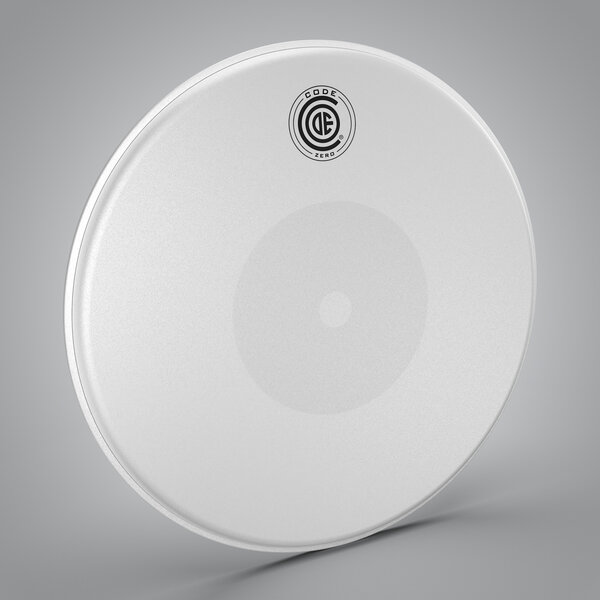
Signal Coated
Code Sterling
Code TRS
Boomer Snare
Code Snare-Side Heads: Genetic 3 vs Genetic 5
Genetic 3

Genetic 5
Code Bass Drum Heads: Blast, Signal Bass & Enigma
Code Blast

Signal Bass
Blast vs Signal Bass
Code Enigma

The Nicko McBrain Boomer Drum Head Range
Why Code Drum Heads Make Sense When Re-heading a Whole Kit
Build a Complete Code Drum Head Setup
Open & Versatile
Controlled All-Round / Rock
Thick, Powerful & Durable
Fine-Tuning Your Drum Sound
Code Drum Head Accessories
The GRD Take
Frequently Asked Questions
Are Code drum heads good?
Which Code drum head is best for toms?
What is the difference between Code DNA and Generator?
Can Code drum heads be used as resonant heads?
How do I choose the right Code drum head?












Comments
Be the first to comment...