


Drum Dampening, The Complete GRD Breakdown!
- Posted on
- By GRD
- 0

A full breakdown of all of the drum dampening options available at Graham Russell Drums, and which one is right for you!
Drum dampening helps control overtones, shorten sustain and shape how a drum sits within a room or mix. It does not necessarily mean that a drum is badly tuned, and the aim is rarely to remove every trace of resonance. The most useful approach is normally to start with a well-tuned drum and apply the lightest amount of control that achieves the sound you need.
This guide explains the main dampening options available at Graham Russell Drums, including reusable gels, Snareweights, full-head dampeners, overtone rings and bass drum muffling. We also explain the difference between dampening and practice muting, where each product works best and how to avoid removing more tone than intended.
Written by Alex Neave
Updated 25 July 2026
Before You Dampen Your Drums
Dampening is most effective once the drum is already working properly. Before adding anything to the head, check that the head is in good condition, the tension is even and the drum is tuned close to the sound you want. Dampening can refine a drum’s behaviour, but it cannot fully correct an old head, uneven tuning or poorly centred snare wires.
Some ring and sustain are part of an acoustic drum’s natural voice and may be far less noticeable once the full band is playing. Tune the drum evenly, listen in context and then add only the amount of dampening required for the room, microphone or musical style.
Dampening vs Practice Muting
Dampening shapes tone by reducing selected overtones or shortening sustain while keeping the drum acoustically playable. Practice mutes are designed to reduce overall volume much more dramatically. A gel, E-Ring or Snareweight may make a drum sound shorter and more focused, but it will not make an acoustic kit quiet enough for low-volume practice.
Drum Dampening Options Explained
Gel Dampeners: Subtle, Adjustable Control
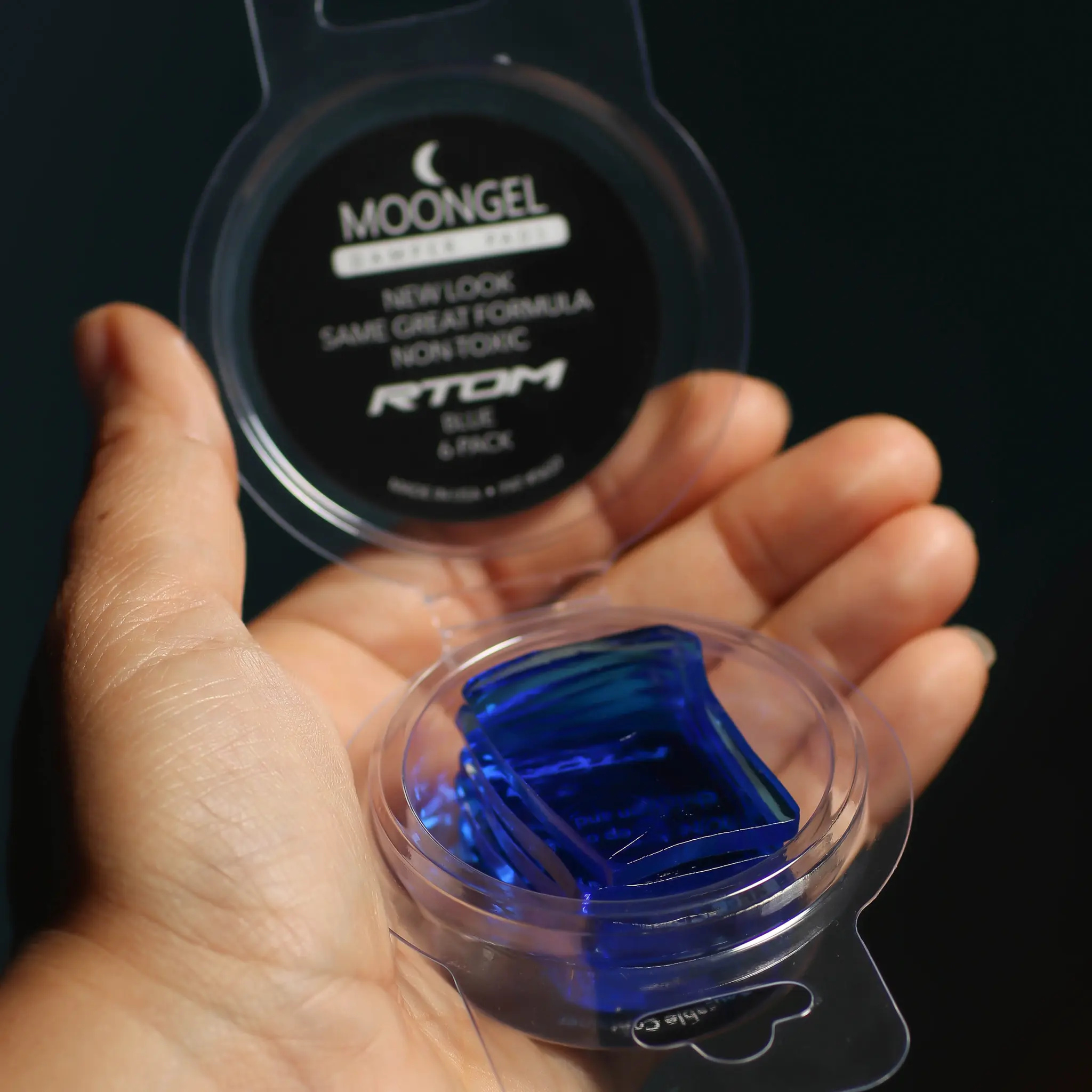
Reusable gels are often the easiest place to start. They sit directly on the batter head and add a small amount of mass, reducing high-frequency overtones and shortening sustain without permanently changing the drum. Moving a gel slightly closer to the centre normally creates more control, while placing it nearer the edge preserves more openness.
Moongel is the familiar reference point for this style of dampening. Meinl Drum Honey provides a comparable reusable option, while the larger Drum Honey Slab is intended for a more obvious tonal change. SlapKlatz packs include different shapes and sizes for more precise adjustments, and Remo Crown Control Gels offer another repositionable gel-based choice.
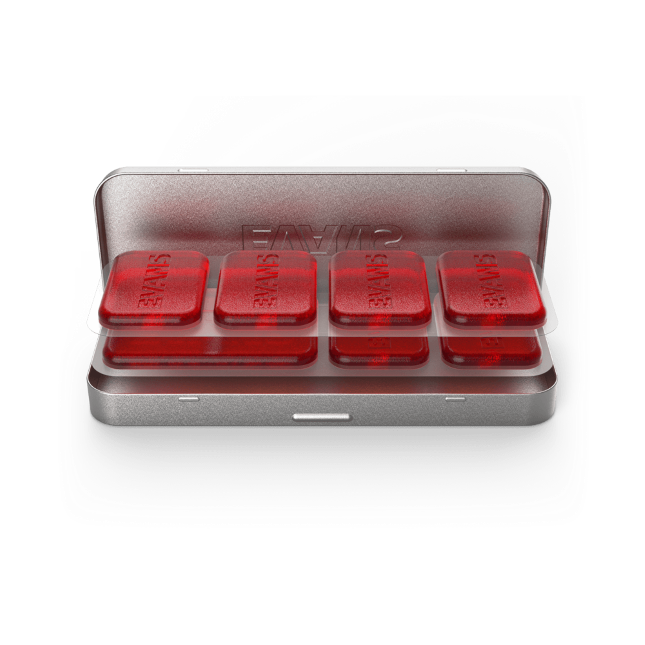
Evans EQ Pods are also polymer gel dampeners. Their dual-layer construction and coated upper surface help them retain their shape and resist marking, while the different included sizes allow the amount of control to be varied. Despite its name, the Vater Buzz Kill is another reusable gel-style product for controlling ringing on drumheads and cymbals; it is not a device that attaches to snare wires.
Snareweights: Fast, Repeatable Snare Control
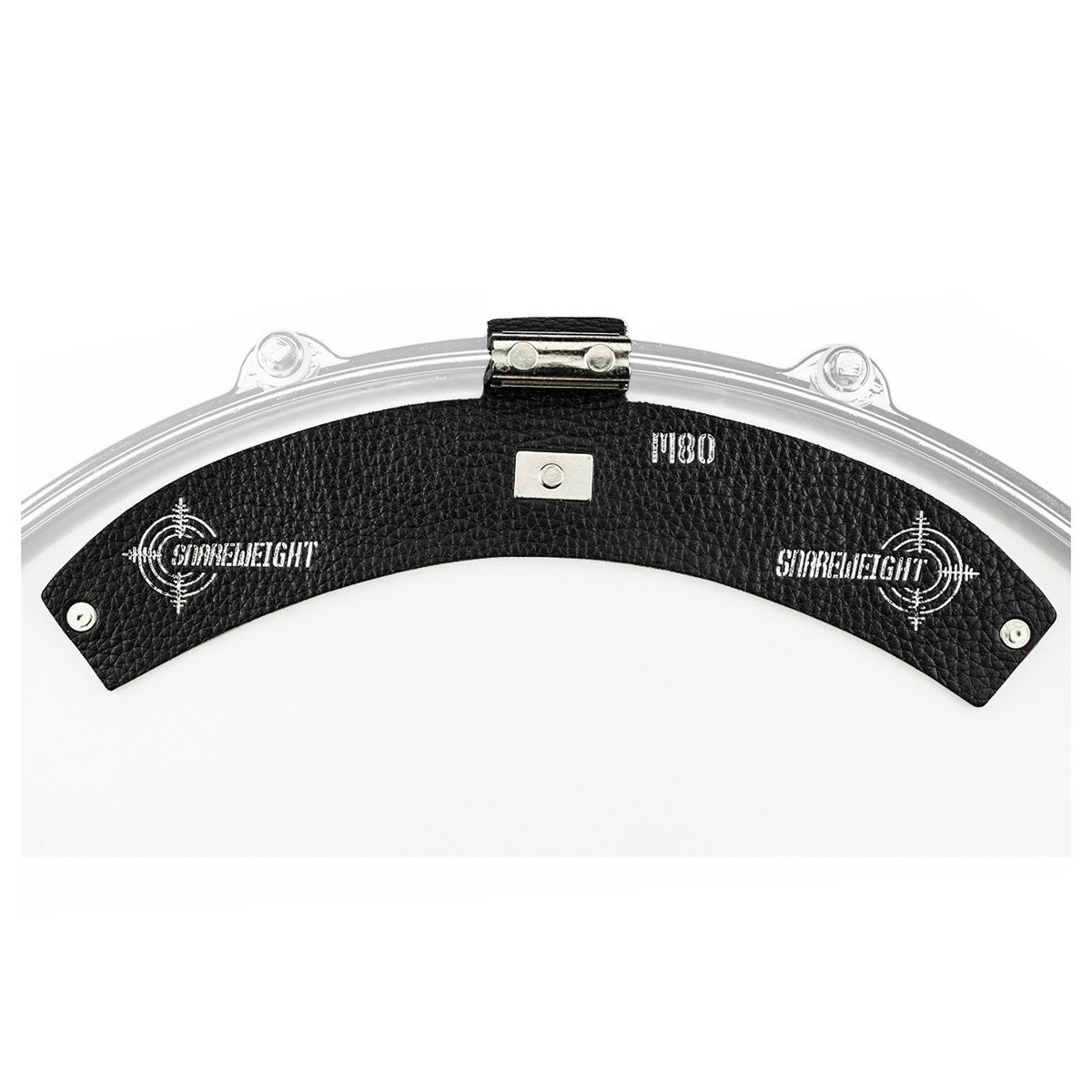
Snareweights attach to the hoop and rest on the batter head, making them quick to engage, disengage and repeat from one performance to the next. They are particularly useful when you want a familiar result without relying on the exact placement of a loose gel.
The Snareweight M1B is suited to light-to-medium control, while the M80 reaches further into medium-to-heavy dampening. Both designs allow the leather to be folded into different positions, including an off position while the unit remains attached, so the effect is more adjustable than a simple fixed weight.
Full-Head Dampeners: A Deliberately Dry, Lower Sound
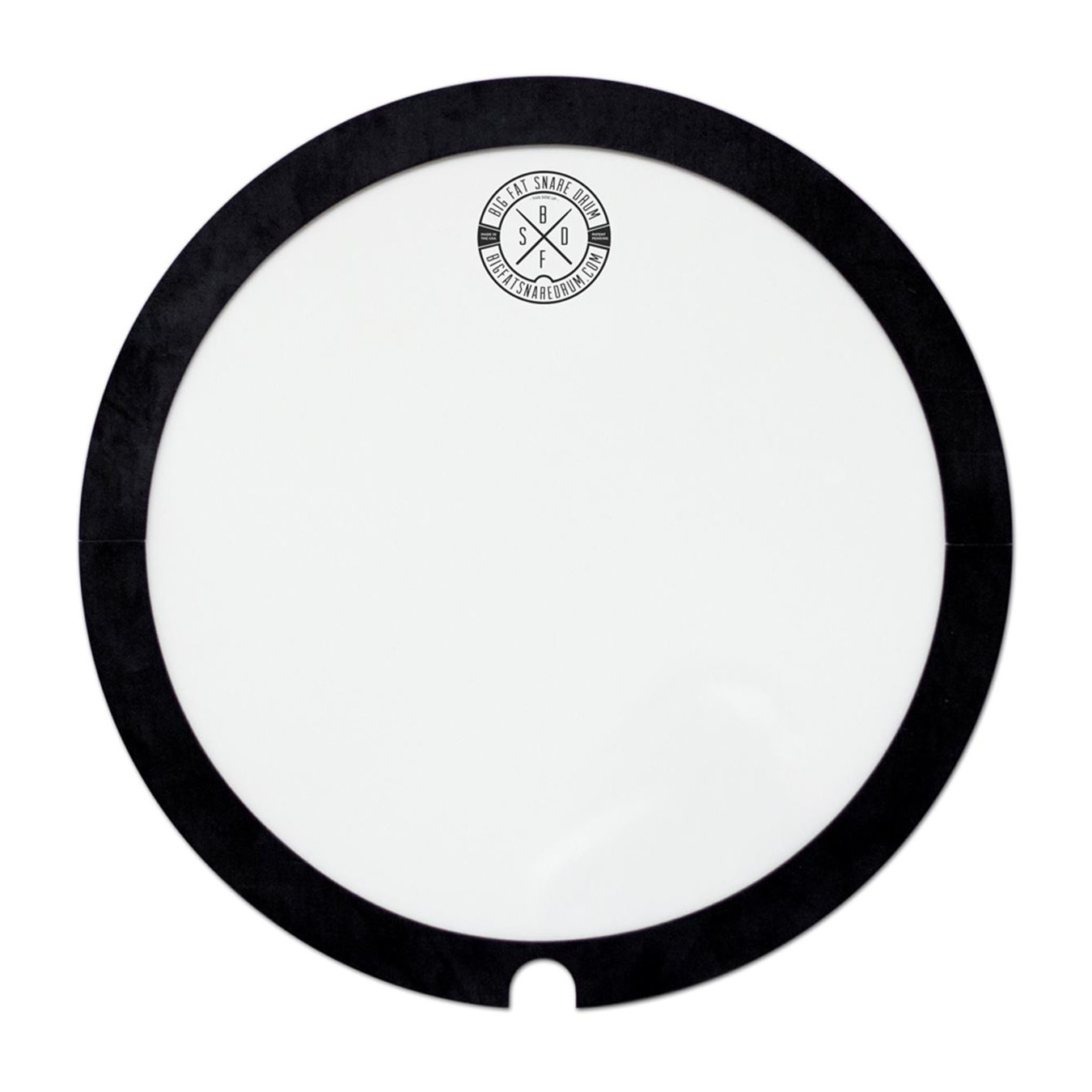
A Big Fat Snare Drum is not simply a stronger version of a small gel. It covers most or all of the batter head, shortening sustain and lowering the perceived fundamental pitch to create a deeper, drier and more vintage-inspired sound. This is useful when you want an obvious tonal transformation rather than subtle overtone control.
Because it sits loose on top of the head, it can be removed immediately when a more open snare sound is required. Different BFSD models vary in coverage and centre opening, so the choice affects both dryness and stick response.
Dampening Rings: Consistent Control Across the Head
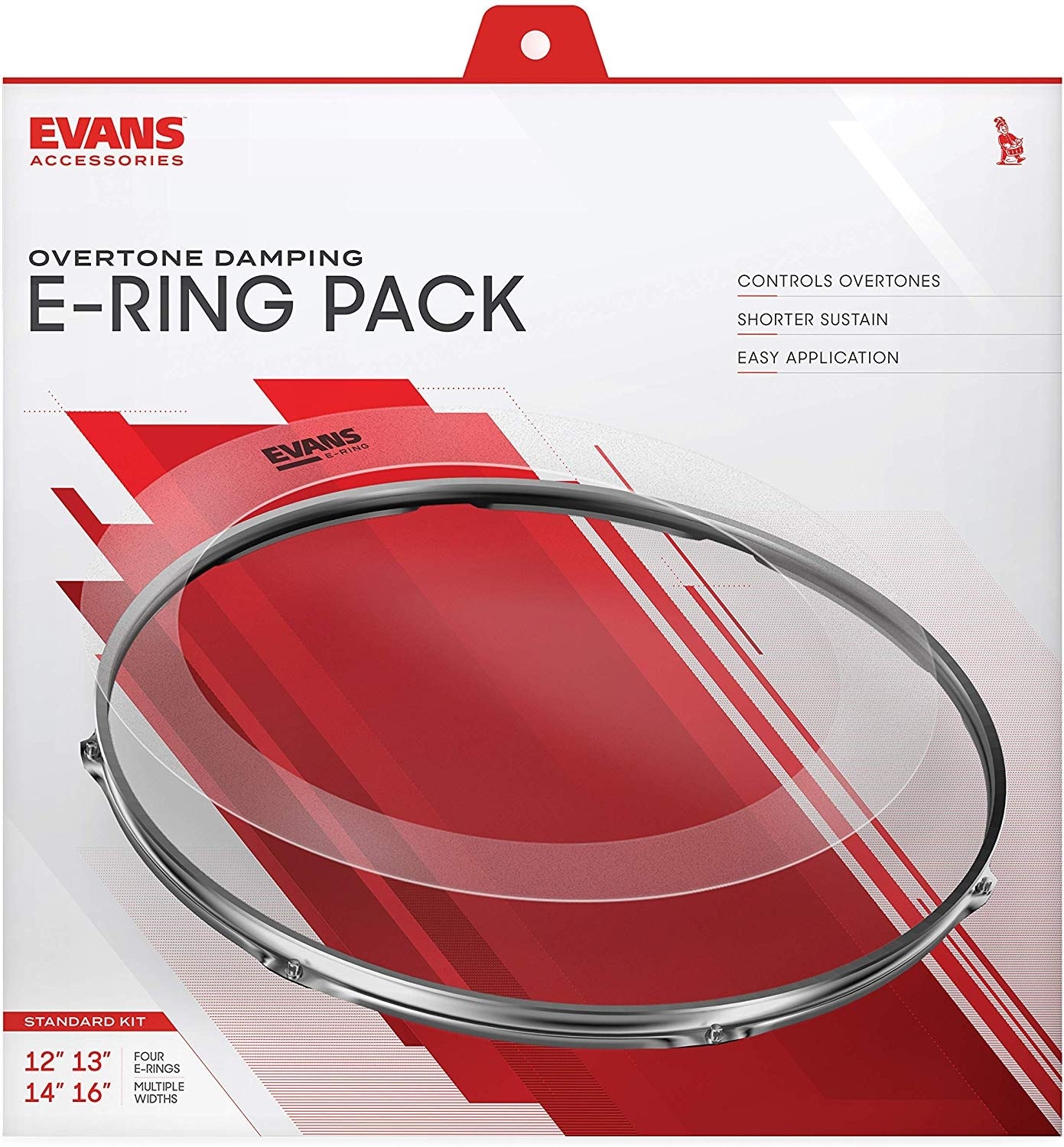
Evans E-Rings float around the edge of the drumhead and reduce overtones across a wider area than a small gel. The effect is more obvious and less position-sensitive, which makes rings useful for toms or snares that consistently need a shorter, more focused note.
Bass Drum Dampening
Bass drums often need a different approach because the goal is usually to balance low-end body, attack and sustain. A small pillow, folded blanket or purpose-designed muffler can control boom and make the drum easier to microphone, but too much material can remove low-frequency depth and reduce the response of the batter head.
The Evans EQ Pad attaches inside the shell and uses a hinged design. It moves away from the head when the drum is struck, allowing the initial tone to develop before returning to control the remaining vibration. Its two differently sized ends allow lighter or heavier contact depending on the drum and the amount of sustain required.
Start with the dampener making light contact with one head. Contacting both batter and resonant heads creates a shorter, more controlled sound, but it can also remove body. Increase the contact only when the room, microphone setup or musical style genuinely requires it.

How to Reduce Sympathetic Snare Buzz
Snare wires naturally react when nearby drums, bass instruments or room frequencies excite the snare-side head. A small amount of sympathetic buzz is normal and often disappears within a full mix. If it becomes distracting, the most effective fixes usually involve tuning and wire setup rather than adding a dampener to the batter head.
- Check that the snare wires are centred and sit evenly across the resonant head.
- Avoid overtightening the wires, which can reduce sensitivity without completely removing buzz.
- Try a small tuning change to the snare-side head or the tom that is triggering the response.
- Judge the result while the whole kit or band is playing, rather than listening only to the isolated buzz.
Which Drum Dampening Option Should You Choose?
- For small, reversible adjustments: Moongel, Drum Honey, SlapKlatz, Crown Control, EQ Pods or Vater Buzz Kill.
- For repeatable snare control: Snareweight M1B for lighter control or M80 for a drier result.
- For a deliberately deep and dry snare sound: Big Fat Snare Drum.
- For consistent control across toms or snares: Evans E-Rings.
- For bass drum boom and sustain: an Evans EQ Pad or a carefully positioned pillow or blanket.
- For major practice-volume reduction: dedicated drum mutes, mesh heads or another low-volume practice solution rather than ordinary dampening.
GRD Real-World Advice
One of the most common concerns we hear in store is that dampening will ruin a drum’s natural sound. In practice, dampening is simply another part of adapting a kit to the room, the music and the way it is being amplified. A snare or tom that sounds large and lively on its own can behave very differently once microphones, reflective walls and stage volume are added.
There is no reason every drum must use the same method. A player might use one gel on a snare, leave the rack tom open, fit an E-Ring to a floor tom and use an internal pad in the bass drum. The important part is listening to each drum in context and using the lightest touch that achieves the intended result.
I personally use one or two Moongels near the edge of my snare head to control unwanted overtones while retaining the body and crack of the drum. Moving them slightly changes the result, so it is easy to adapt the snare for different rooms without retuning it completely. When possible, we recommend trying a simple gel first and then moving to a more structured solution only if you need a stronger or more repeatable change.
Browse gels, rings, Snareweights, bass drum mufflers and other sound-control accessories online, or visit the Fareham showroom for practical advice on matching the right amount of control to your drum sound.
Frequently Asked Questions
Does drum dampening kill the natural tone of a drum?
Not when it is used carefully. Dampening reduces selected overtones or sustain while leaving the core note intact. Problems normally arise when more material is used than the drum or room requires.
Should I tune my drum before adding dampening?
Yes. Check the head condition and tune the drum evenly first. Dampening is best used to refine an already healthy drum sound rather than conceal an underlying tuning or setup problem.
Where should I place a dampening gel?
Start near the edge of the batter head, where the gel will reduce ring while preserving the centre playing area. Moving it further towards the centre generally creates more control and a shorter sound.
What is the difference between drum dampening and drum mutes?
Dampening shapes tone and sustain while keeping the drum at close to its normal acoustic volume. Drum mutes are intended to reduce overall volume substantially for practice.
What is the difference between the Snareweight M1B and M80?
The M1B is designed for light-to-medium dampening, while the larger M80 reaches medium-to-heavy control. Both provide selectable leather positions and can remain attached while disengaged.
Can I combine different dampening methods?
Yes, although it is usually best to add one change at a time. Different drums may require different solutions, but stacking several dampeners on one head can remove more tone and response than intended.
How much should I dampen a bass drum?
Begin with light contact against one head and increase it only when more control is needed. Heavy contact against both heads produces a shorter note but can remove low-end body and make the drum feel less responsive.
Can dampening fix sympathetic snare buzz?
Batter-head dampening may shorten the snare note, but sympathetic buzz is mainly caused by the snare-side head and wires reacting to another frequency. Check wire alignment and tension, then try small tuning changes to the snare or the drum triggering the response.
Written by Alex Neave
I've been a part of the Graham Russell Drums team since October 2025, but my connection with the shop goes back much further as a customer since 2012. Over the years I've advised drummers of all ages and experience levels, refurbished countless second-hand kits and spent a lot of time helping customers navigate the often overwhelming world of drum gear. Alongside over 13 years of playing experience, that hands-on exposure to thousands of products allows me to write buying guides based on real-world knowledge and practical experience rather than simply repeating manufacturer specifications.












Comments
Be the first to comment...