


How to Choose Drum Sticks: The Ultimate Buyer's Guide
- Posted on
- By Alex
- 0
Not sure which drum sticks are right for you? Our Ultimate Guide covers drum stick sizes, wood types, tips and more to help you find the perfect pair.
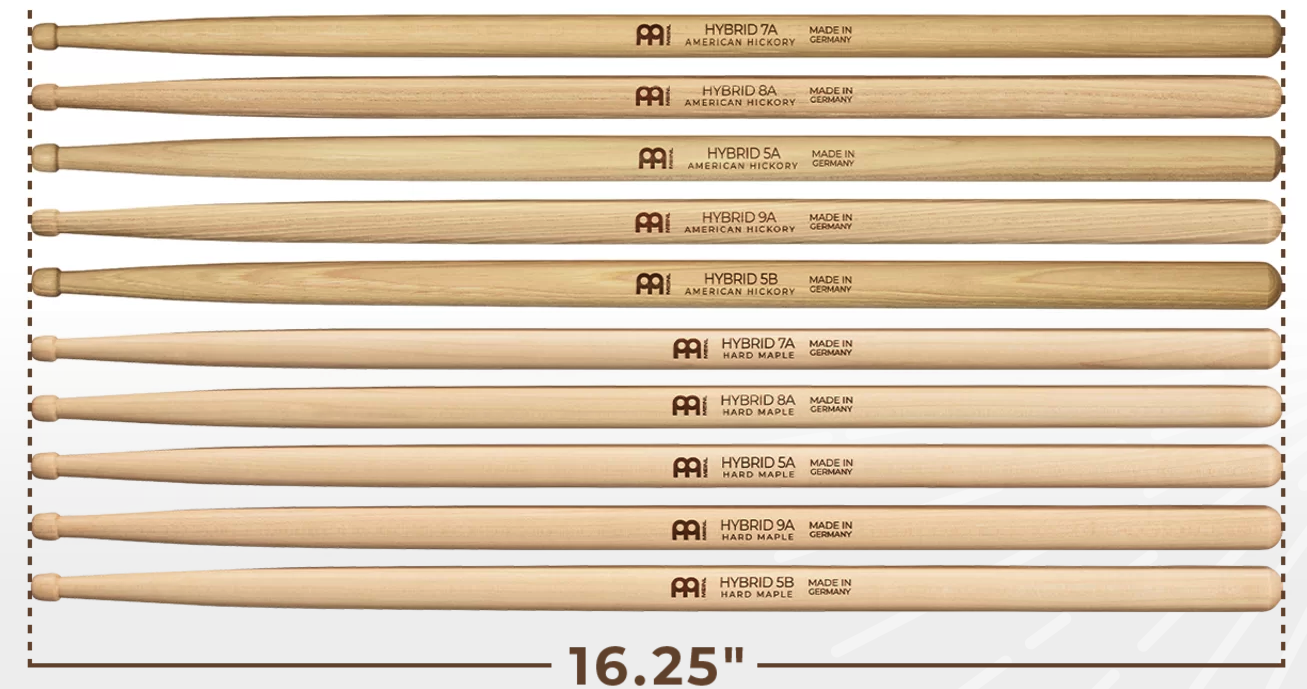
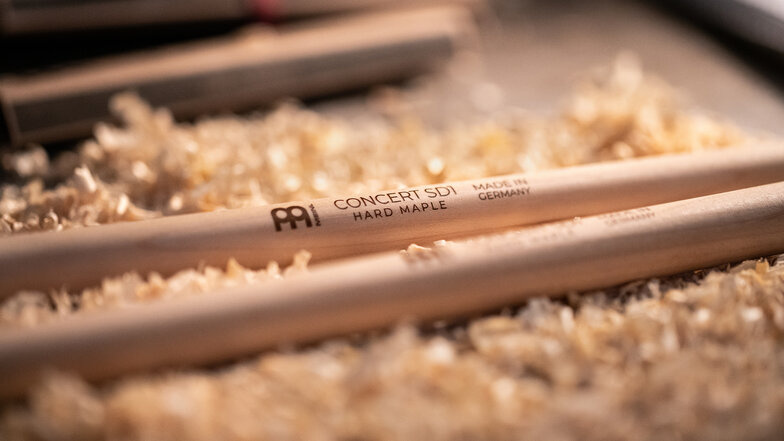
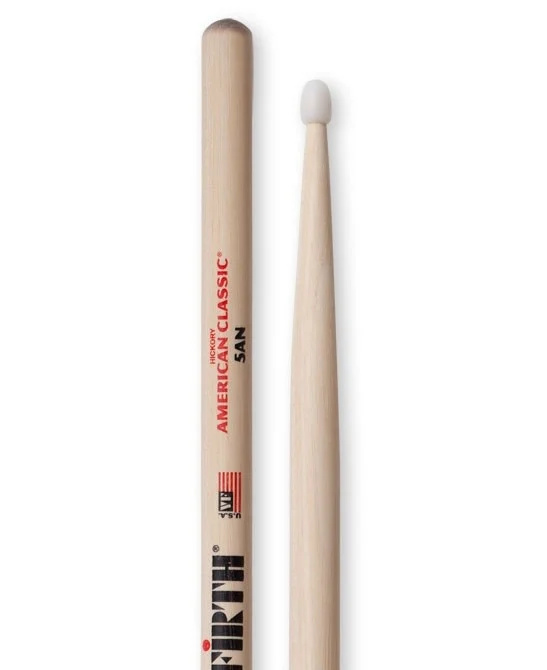
Choosing the right pair of drum sticks can have a bigger impact on your playing than you might think. From the size and weight of the stick to the wood type and tip material, every detail influences the way your drums and cymbals respond. With so many options available, knowing where to start can feel overwhelming. In this guide, we'll explain the key differences between 5A, 5B and 7A drum sticks, compare hickory, maple and oak, and help you decide which pair makes sense for the way you play. Whether you're buying your first pair of drum sticks or looking to try something different, this guide will help you make an informed choice with practical advice from the team at Graham Russell Drums. Quick starting point 5A is the most useful all-round starting point. Choose 7A for a lighter feel, 5B for more weight and power, or 2B only when you genuinely prefer a large stick or want extra weight for practice-pad work. If a 5A feels too light and a 5B too substantial, an in-between model such as a 55A or 5AB may be worth trying. One of the first things you'll notice when shopping for drum sticks is the combination of numbers and letters, such as 7A, 5A and 5B. While they can seem confusing at first, they provide a useful guide to the overall size and feel of a stick. Traditionally, the number referred to the stick's diameter, with lower numbers generally indicating a thicker stick. The letter originally related to the stick's intended application, although this system is no longer followed consistently by modern manufacturers. Today, these markings should be viewed as a helpful starting point rather than a strict standard. The most common drum stick sizes are: It's worth remembering that there isn't a universal standard for drum stick sizes. A 5A from one manufacturer may feel slightly different to a 5A from another due to differences in diameter, length, taper, tip shape and overall design. Once you've found a size that suits your playing, you'll often find yourself developing a preference for one manufacturer's interpretation of it. The taper is the section where the stick gradually narrows towards the tip, and it can have a noticeable effect on balance and response. A longer taper generally creates a more responsive, flexible feel, while a shorter taper tends to shift more weight towards the front of the stick for a more powerful, solid response. Graham Russell Drums Tip: Don't worry about finding the "perfect" drum stick straight away. Most drummers try several pairs over time before discovering what feels most comfortable, so think of your first pair as a starting point rather than a final decision. If you're still unsure which drum stick size to choose, a 5A is an excellent place to start. It offers a versatile balance of weight, control and durability that works well across a huge range of musical styles. If you prefer a lighter, more agile feel, a 7A may suit you better. If you prefer a little more weight and power in your hands, a 5B is often the natural next step. A 2B is a much larger, heavier option for players who specifically want maximum weight and projection. Ultimately, the right size is the one that feels most comfortable in your hands. Your choice may also change over time as your technique develops or depending on the music you're playing. Diameter is only one part of how a drum stick feels. A longer stick can provide extra reach and leverage, which may be useful on larger setups, while a shorter model can feel more compact and controlled. Even small differences in length can be noticeable once you start playing. Balance is influenced by the taper and the way the stick's weight is distributed. The ProMark Rebound 5A uses a long taper to create a rear-weighted, responsive feel, while the ProMark Forward 5A uses a shorter taper for a more forward-weighted feel with additional power through the tip. At Graham Russell Drums, we often find that comparing these two types of balance can be just as useful as comparing size alone. The finish can also affect how securely the stick sits in your hands. Standard lacquered sticks generally feel smooth, while natural or textured finishes provide a more tactile surface. The Vic Firth 7A PureGrit, for example, uses a lacquer-free textured finish for players who prefer a rawer feel and additional grip. At Graham Russell Drums, we often encourage players to compare two or three pairs using the same simple pattern. Try single strokes, doubles, accents and a few quieter notes on a practice pad or snare, then listen to each pair on the ride cymbal or hi-hats. Pay attention to whether the stick rebounds naturally, whether its balance makes you work harder and whether the finish remains comfortable in your hands. A stick that looks ideal on paper can still feel wrong when you play it, so comfort and control should carry more weight than the label alone. Once you've chosen a drum stick size, the next decision is the wood it's made from. While all drum sticks perform the same basic job, the type of wood affects how the stick feels in your hands, how much vibration it transfers and how it responds when you play. The three most common woods used for drum sticks are hickory, maple and oak. Each has its own characteristics, and the right choice ultimately comes down to your playing style and personal preference. Hickory is by far the most popular wood used for drum sticks, offering an excellent combination of durability, balance and shock absorption. Its versatility makes it a favourite amongst drummers of every ability and across almost every style of music. One of hickory's biggest advantages is its ability to absorb vibration, helping to reduce the amount of impact transferred back into your hands. This can make it comfortable during longer rehearsals, gigs and practice sessions, which is one reason hickory remains such a dependable all-round choice. Maple is lighter than hickory, giving the stick a quicker, more effortless feel. Many drummers enjoy the increased agility, particularly when playing intricate patterns or longer performances where reducing fatigue is important. The trade-off is durability. Because maple is less dense than hickory, it generally wears more quickly under heavier playing. However, if you value speed, touch and finesse over outright power, it can be an excellent choice. Oak is the densest and heaviest of the three most common drum stick woods. It offers increased durability and a more solid feel, making it a popular choice for drummers who prefer a little more weight and power in their hands. Compared with hickory, oak generally transfers more vibration back to the player, giving it a firmer feel that some drummers enjoy. If you regularly play louder styles of music or simply prefer a more substantial stick, oak is well worth considering. If you're still undecided, we'd recommend starting with hickory drum sticks. They offer a strong all-round combination of durability, feel and shock absorption and work across a very broad range of styles. If you prefer a lighter stick with a quicker feel, maple is well worth considering, while oak is ideal for drummers who want extra durability and a little more weight in their hands. If you're looking for a great place to start, the Vic Firth American Classic 5A, Vater Los Angeles 5A and ProMark Rebound 5A are all excellent all-round choices and give you three different interpretations of the classic 5A format. Once you've settled on the right size and wood, it's worth considering the tip material. While the difference in feel is subtle, the tip can make a noticeable difference to the sound of your cymbals, particularly your ride and hi-hats. Wood tips are by far the most popular choice amongst drummers, producing a warm, natural cymbal sound that's suited to almost every style of music. Because the tip is carved from the same piece of wood as the stick, it offers a familiar response across both drums and cymbals. Over time, wood tips will naturally wear down and may eventually chip, particularly under heavier playing. When this happens, the cymbal sound can become less consistent and it's usually a good indication that it's time for a fresh pair. Nylon tips produce a brighter, more defined cymbal sound with increased stick articulation, making them a popular choice for drummers who want extra clarity from their ride cymbal and hi-hats. They also retain their shape well over time, providing a more consistent contact point as the wooden shaft begins to wear. Some drummers prefer the added brightness and consistent tip shape of nylon, while others favour the warmer, more organic sound of wood. The nylon tip itself is less likely to chip than a wood tip, but the shaft can still wear or break in the same way as any wooden drum stick. Neither is objectively better – it simply comes down to personal preference and the sound you're trying to achieve. Once you've found a stick that feels comfortable in your hands, tip shape is another way to fine-tune your sound. While the differences are often subtle, changing the shape and size of the contact area can affect the articulation, definition and wash you hear from your cymbals. As a general guide: For most drummers, size, wood and tip material will have a bigger influence on the overall playing experience than tip shape. Once you've found a stick that feels right, experimenting with different tip shapes is a great way to fine-tune your sound. Graham Russell Drums Tip: If you're buying your first pair of drum sticks, we'd recommend starting with wood tips. They're the most common choice and offer a natural, versatile sound that works across virtually every style of music. Once you've found a stick you're comfortable with, experimenting with nylon tips or different tip shapes is an easy way to explore different sounds without completely changing the feel of your stick. The type of music you play can be a useful guide when choosing drum sticks, but it shouldn't be the only factor. Your technique, playing volume and personal preference all play a part, so the suggestions below are best viewed as starting points rather than strict rules. For most rock drummers, a 5A or 5B is a great place to start. A 5A offers a versatile balance of speed, power and control, while the additional weight of a 5B can provide more authority for heavier backbeats and louder performances. If you're a harder hitter or regularly play at higher volumes, you may naturally prefer the more substantial feel of a 5B hickory stick. Models such as the Vic Firth American Classic 5B and Vater Los Angeles 5B are excellent places to start, offering additional weight and power without moving into the considerably larger feel of a 2B. For heavier styles of music, 5B and 2B drum sticks are both worth considering. Their larger diameters provide a more substantial feel in the hands, while the additional mass can help produce plenty of power without relying entirely on playing harder. Wood choice is also worth considering. Hickory remains an excellent all-round option, while the greater density and hardness of oak can provide a more solid feel and increased resistance to wear. However, durability will always depend heavily on playing technique and where the stick makes contact, so no drum stick should be considered unbreakable. A 2B can be a great option for players who genuinely enjoy a large, powerful stick, but it isn't a requirement for playing metal. If speed, control and endurance are important to your playing, a 5A or 5B may provide a better balance between power and agility. Many jazz drummers prefer lighter or more specialised sticks that offer excellent control and clear cymbal articulation. A 7A is a popular starting point for players who enjoy a lighter feel, but dedicated jazz models can offer different combinations of length, taper and tip shape. The Vic Firth American Jazz Series is a good example. Models such as the American Jazz 1 use a longer taper and smaller tip to create a responsive feel with clear articulation, making them a good option for players who spend a lot of time working with ride cymbal patterns and a wide dynamic range. That said, there's no rule that says jazz drummers have to use lightweight or dedicated jazz sticks. Plenty of players use 5A drum sticks or larger, so the right choice ultimately comes down to the feel, response and cymbal sound you're looking for. If you regularly move between different styles of music, it's difficult to look past a 5A hickory drum stick. The combination of a versatile size and balanced wood makes it suitable for everything from quieter rehearsals to louder gigs, while still offering enough control for more detailed playing. That doesn't mean every 5A will feel exactly the same. Different manufacturers use slightly different dimensions, tapers, tip shapes and balances, so once you've settled on a general size, trying a few different models can help you find the version that feels most natural in your hands. Graham Russell Drums Tip: Use genre recommendations as a starting point, not a rule. Consider the size, wood, taper and tip together rather than choosing a stick based purely on the style of music you play. If a particular pair feels comfortable, gives you the sound you want and allows you to play naturally, there's no reason to change it simply because another model is considered more traditional for your genre. A 5B drum stick is generally thicker and heavier than a 5A, providing additional weight, power and projection. A 5A offers a lighter, more versatile feel, while a 5B may suit players who prefer something more substantial. Exact dimensions vary between manufacturers, so the difference in feel won't always be identical between brands. There is no set lifespan for a pair of drum sticks. How long they last depends on factors such as how often you play, your technique, the type of music you play and where the sticks make contact with your drums and cymbals. Regularly check your sticks for cracks, excessive splintering and damaged tips. If a stick is significantly weakened or a damaged tip is affecting the sound and response, it's usually time to replace it. Paying more for drum sticks doesn't automatically mean they'll make you a better drummer, but the quality and consistency of a well-made pair can make a difference. Established manufacturers carefully control factors such as weight, balance, wood selection and pairing to provide a more consistent feel from one pair to the next. The most important factor is still finding a stick that feels right for you. A more expensive or specialist model isn't necessarily a better choice if you prefer the feel of a standard 5A. Professional drummers use a huge variety of drum stick sizes and designs, with many choosing standard models and others using signature sticks developed around their individual preferences. Rather than choosing a pair simply because your favourite drummer uses them, look at why they might have chosen that particular design. The size, length, taper and tip can provide a useful starting point, but the best drum sticks for you will ultimately depend on your own technique and preferences. Normal drum stick use shouldn't cause premature cymbal damage. However, excessive force or repeatedly striking the edge of a cymbal at a harsh angle can contribute to cracks and premature wear over time. Damaged drum sticks are also worth keeping an eye on. Heavily splintered sticks or chipped tips can create rough or uneven contact surfaces, so replacing worn sticks and using good playing technique can help protect both your drums and cymbals. How quickly drum sticks break depends on several factors, including your playing technique, the type of music you play and where the stick regularly makes contact with the kit. Frequent rimshots and heavy contact with cymbal edges can naturally cause sticks to wear and break more quickly. If you're regularly breaking sticks, moving to a thicker size such as a 5B, or trying a denser wood such as oak, may provide greater resistance to wear. However, it's also worth looking at your technique and setup. Playing harder isn't always the best way to achieve more volume, and the angle of your cymbals can have a significant effect on how quickly both your sticks and cymbals wear. Choosing the right drum sticks ultimately comes down to finding the combination of size, weight, wood and tip that feels most comfortable for the way you play. While recommendations can point you in the right direction, there's no substitute for trying different sticks and discovering what works best in your hands. Explore our full range of drum sticks online, or visit us in store to compare different sizes and models for yourself. If you're still unsure which pair to choose, the team at Graham Russell Drums is always happy to offer advice and help you find the right sticks for your playing. Written by: Alex Neave I've been part of the Graham Russell Drums team since October 2025, but my connection with the shop goes back much further as a customer since 2012. I've advised drummers of all ages and experience levels, worked on a wide range of second-hand kits and spent a lot of time helping customers navigate the often overwhelming world of drum gear. Alongside over 13 years of playing experience, that hands-on exposure to a wide range of products allows me to write buying guides based on real-world knowledge and practical experience rather than simply repeating manufacturer specifications.What Do Drum Stick Numbers and Letters Mean?
Which Drum Stick Size Is Right for Me?
Length, Balance and Finish
How to Test Drum Sticks
Hickory vs Maple vs Oak Drum Sticks
Hickory Drum Sticks
Maple Drum Sticks
Oak Drum Sticks
Our Recommendation
Wood Tip vs Nylon Tip Drum Sticks
Wood Tip Drum Sticks
Nylon Tip Drum Sticks
Choosing the Right Tip Shape
Which Drum Sticks Are Right for You?
If You Mainly Play Rock
If You Mainly Play Metal
If You Mainly Play Jazz
If You Play a Bit of Everything
Frequently Asked Questions
What Is the Difference Between 5A and 5B Drum Sticks?
How Long Do Drum Sticks Last?
Do Expensive Drum Sticks Make a Difference?
What Drum Sticks Do Professional Drummers Use?
Can Drum Sticks Damage Cymbals?
Why Do My Drum Sticks Keep Breaking?
GRD Final Thoughts












Comments
Be the first to comment...