
Ultimate Beginners Cymbal Guide
A guide to choosing cymbals at Graham Russell Drums: build your core setup , understand key sound profiles and alloys, compare pack options , and consider second hand for better value.
Choosing cymbals is one of the most personal decisions you make as a drummer. Unlike a drum, you cannot tune a cymbal into a completely different sound, so its basic character, response and volume need to suit the music you actually play. The best way to choose is still to visit our dedicated cymbal showroom and compare a few options properly, at the volume you are likely to use.
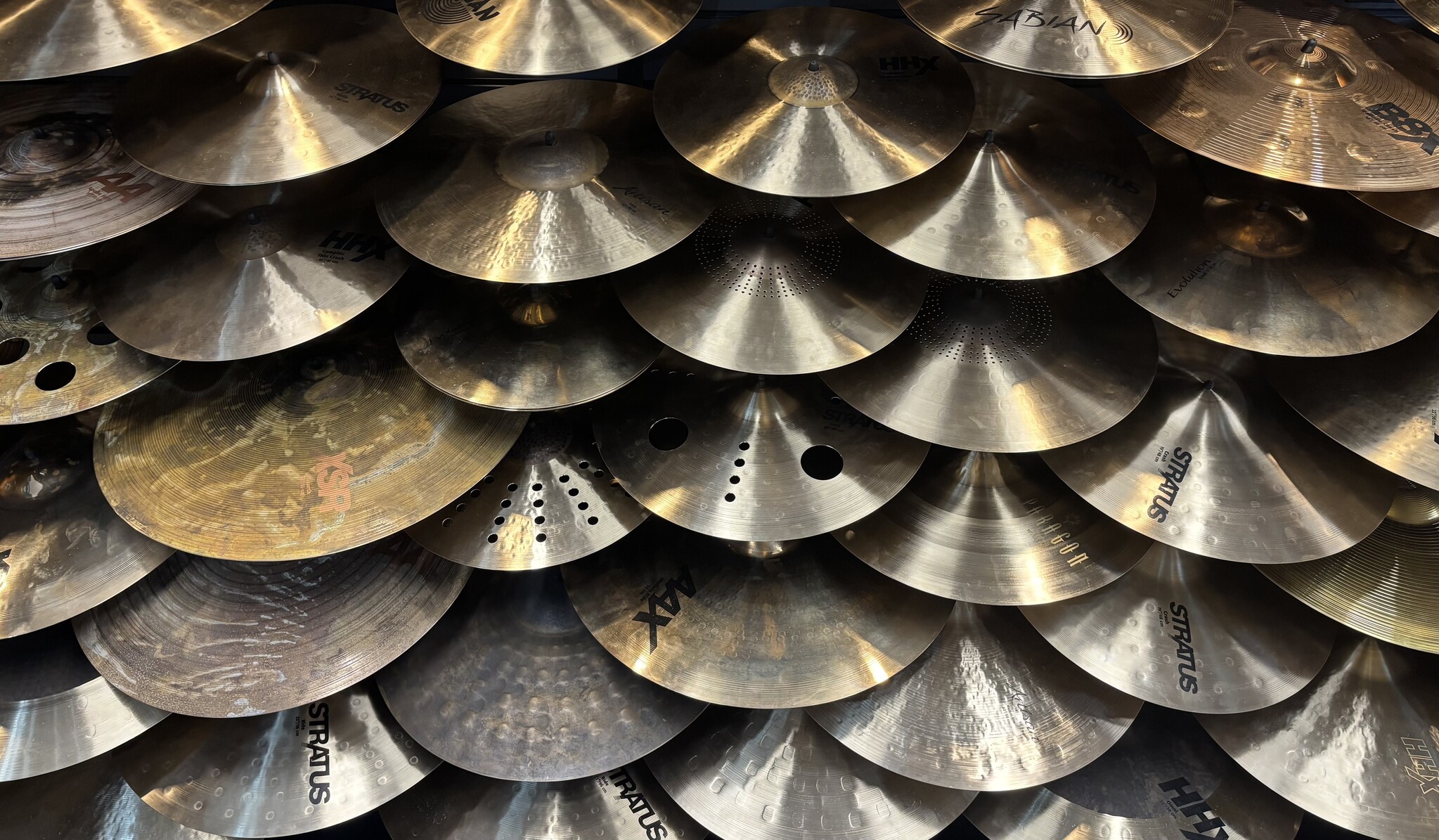
We have the largest selection of cymbals in the country, all available to play in-store. Our showroom includes dedicated Zildjian, Istanbul Agop and Meinl rooms with more than 100 cymbals in each, alongside dedicated Paiste and Sabian sections in the cymbal loft. There is also a continually changing used cymbal section with well over 1,000 cymbals, plus hundreds more available online. Have a look at our About Us page for a look around the shop.
If you cannot get to us, this guide will help you make a more confident shortlist. It covers the core cymbals most beginners need, the sound words worth knowing, why size and weight matter, and the sensible routes for buying new or second hand.
Start here: what most beginners actually need
For a first complete setup, start with hi-hats, a crash and a ride. That is enough to cover the vast majority of songs while you learn what you like.
- Hi-hats keep time and provide the closed, open and foot-chick sounds used constantly in most styles.
- A crash gives you the main accent sound. A 16" or 18" model is a sensible starting point for most players.
- A ride carries patterns when you need a more defined sound. A 20" ride is the classic all-round starting size.
A second crash is usually the first addition. Splashes, chinas and effects cymbals are great once the core setup is working, but they are not essential at the beginning. A crash/ride can cover both jobs for a while, although most players eventually prefer a dedicated crash and ride.
The questions we would ask in-store
There is no single best beginner cymbal set. These questions narrow the choice much more effectively than simply choosing the most expensive option you can afford:
- What music are you playing most: rock, pop, indie, metal, worship, jazz or something else?
- How loud is your usual setting: bedroom, rehearsal room, studio or stage?
- Are you completing a first setup, replacing the cymbals supplied with a starter kit, or building a more individual sound?
- Do you prefer a bright, cutting sound or something darker and more controlled?
- Do you need a cymbal that opens up easily, or one that stays clear and defined under the stick?
Cymbal sound words explained
The language around cymbals can sound vague until you have compared a few side by side. These are the descriptions worth listening for.
Bright, dark and warm
Bright cymbals have a sharper, glassier top end and can cut clearly through louder guitars. Darker cymbals tend to have a lower, warmer voice with less obvious high-end sheen. Neither is better: bright often suits players who want immediate cut, while darker sounds can feel smoother and less intrusive.
Dry, washy and sustain
A dry cymbal has fewer lingering overtones and a shorter decay, which can keep the sound tidy in a busy mix. A washy cymbal spreads and blooms for longer. That can sound huge, but it may cover detail if you need very clear patterns.
Stick definition and crashability
Stick definition is the clear “tick” you hear on top of the cymbal sound, particularly important on a ride. Crashability is how readily a cymbal opens up into a full crash. A thin ride may be very crashable, while a heavier ride is more likely to retain a solid pattern sound. Both can be useful, depending on the job.
Projection, cut and trashiness
Projection is how well a cymbal carries into the room. Cut is how easily it is heard alongside guitars and bass. Trashiness is the deliberately gritty, broken-up quality found in chinas, stacks and many perforated effects cymbals. It is a character, not a fault.
Cymbal alloys and construction
Alloy is a useful starting point, but it does not tell the whole story. Weight, profile, hammering, lathing and finishing all make a major difference, and a great cymbal is not defined by the alloy on its own.
- Brass is common in the most affordable sets. It gets you playing, though it often has a simpler sound and can become harsh when played hard.
- B8 bronze is normally bright, clear and direct. It is a common choice for accessible packs because it offers consistent, usable sounds.
- B10 and B12 bronze sit between the usual B8 and B20 categories. They can offer a fuller voice, but the particular model matters more than the number alone.
- B20 bronze is used in many high-end and hand-hammered cymbals, as well as some very strong value ranges. It can produce a complex, expressive sound, but it is not automatically better for every drummer or style.
The practical aim is to buy the sound you want, not an alloy label. If you are comparing online, listen at more than one volume and, where possible, to the exact model rather than a whole series overview.
Choosing cymbal sizes
Diameter influences pitch, feel and response, but it works alongside weight and profile. As a broad rule, larger cymbals tend to sound lower and spread more, while smaller cymbals tend to react faster and speak at a higher pitch.
| Cymbal | Useful starting size | What smaller sizes often do | What larger sizes often do |
|---|---|---|---|
| Hi-hats | 14" | 13" hats often feel quicker and more compact. | 15" hats often sound lower and give a broader foot-chick and open sound. |
| Crash | 16" or 18" | Faster response and a higher pitch. | Lower pitch, wider spread and often more volume. |
| Ride | 20" | A tighter, more immediate feel. | More low end, spread and room-filling presence. |
Cymbal packs, individual cymbals and second hand
Cymbal packs
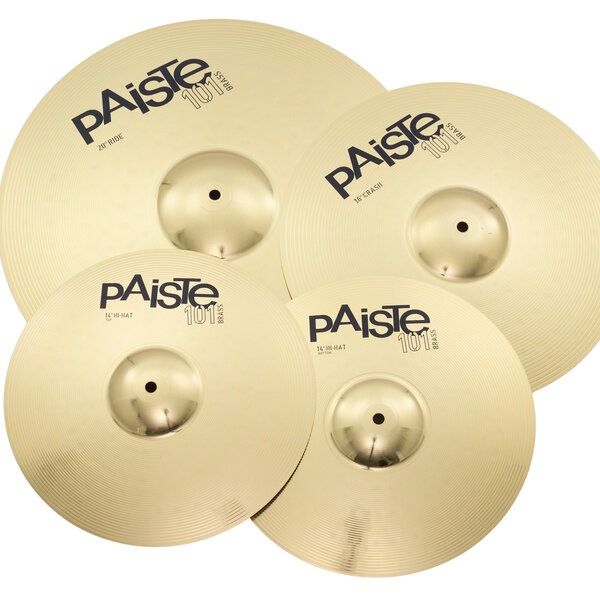
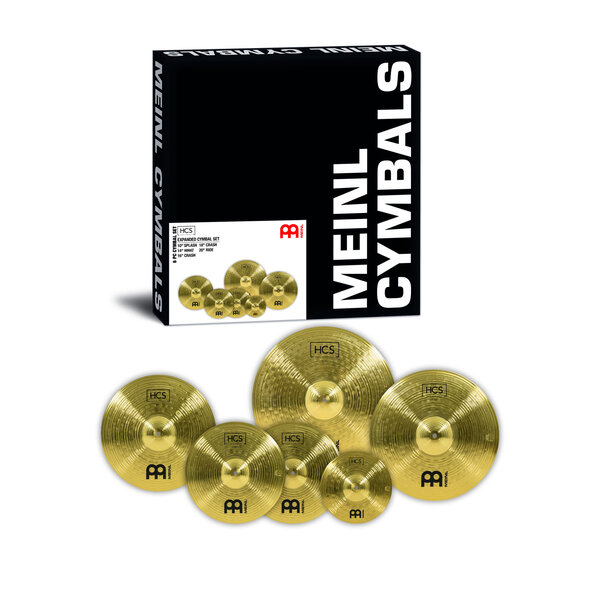
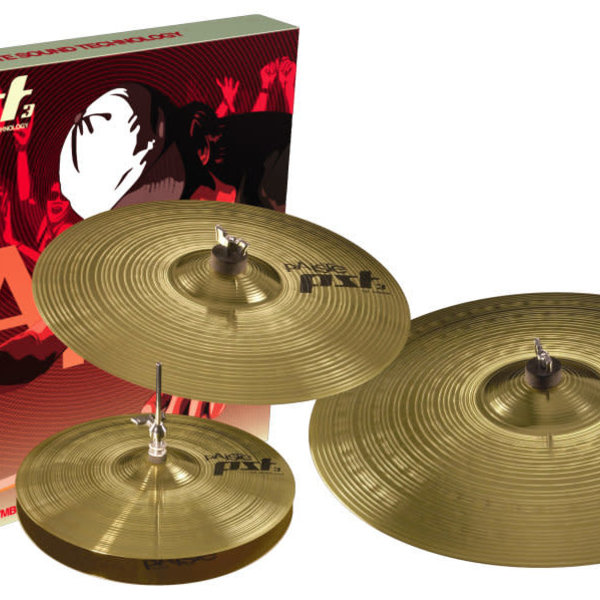
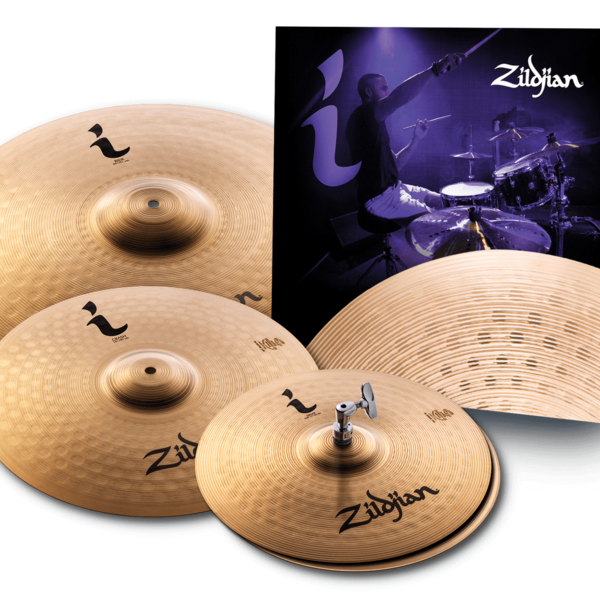
A pack is usually the most cost-effective way to buy hats, a crash and a ride that already work together. It is a very good route for a first proper setup, especially if you want to spend the budget on improving the whole kit rather than choosing one cymbal at a time.
Starter pack options
These are four useful starting points from our current range. Click any image to view the exact pack, contents and latest availability.
Buying individually
Choosing one at a time makes more sense when you already know what you need. You might spend more on hats and ride because you use them constantly, then select crashes that suit your playing volume. It is also the best route if you enjoy mixing different brands and sounds.
Second hand cymbals
Second hand is one of the best ways to move up a level without stretching the budget. Cosmetic wear such as stick marks, fingerprints, patina and logo fade usually has little effect on sound. Check closely for cracks, keyholing around the centre hole and any edge damage, and buy from a specialist who has inspected the cymbal properly.
A strong first proper set: Istanbul Agop Xist
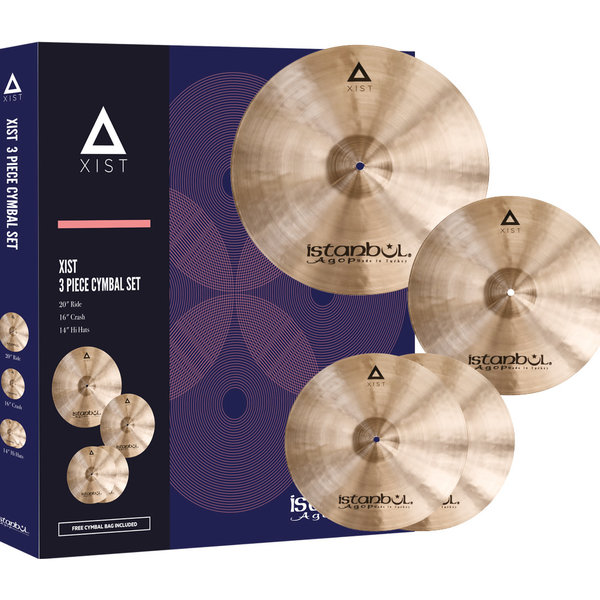
If you are looking to move beyond a basic starter set, the Istanbul Agop XIST IXCS3 Cymbal Pack remains one of the most compelling routes. The current regular set includes 14" hi-hats, a 16" crash, a 20" ride and a cymbal bag, so it gives you the complete core setup in one purchase.
Xist cymbals combine modern production methods with Istanbul Agop’s traditional cymbal-making background. They are a good choice for players who want more colour and musical response from a first serious set without jumping straight to the price of many flagship ranges. As always, listen before choosing if you can: the right Xist model depends on whether you want a brighter, cleaner sound or something thinner and more expressive.
Try cymbals properly in our Fareham showroom
Cymbals make more sense when you can hear the difference under your own hands. Every cymbal in our showroom is playable in-store, so you can start quietly, then play at normal volume and finally use a proper accent. If a cymbal stays musical and controllable through those levels, it is probably in the right area. You are welcome to come in and compare options side by side, whether you need a first pack, a particular crash or a great second hand find.
Frequently Asked Questions
What cymbals should a beginner buy first?
Start with hi-hats, one crash and one ride. A 14" hi-hat pair, 16" or 18" crash and 20" ride is a sensible, flexible starting setup.
Should I buy a cymbal pack or individual cymbals?
Buy a pack if you need a whole first setup and want the strongest overall value. Buy individually when you already know the exact sounds you are after, or when you are replacing and upgrading one cymbal at a time.
Are B20 cymbals always better?
No. B20 bronze is used in many excellent cymbals, but alloy is only one part of the design. Weight, profile, hammering and lathing all matter, and a brighter B8 cymbal may be exactly right for the sound or budget you have in mind.
Can I try cymbals before I buy?
Yes. Every cymbal in our showroom is playable in-store, so you can compare sounds at a realistic playing volume before deciding. Our About Us page shows the scale of the cymbal selection in the shop.
Are second hand cymbals worth buying?
Absolutely, provided they have been checked carefully. Cosmetic signs of use rarely matter, but avoid cracks, centre-hole damage and damaged edges. Our used cymbal section is a good way to explore stronger cymbals for the budget.
Written by Joel Smith
I have been part of Graham Russell Drums since I was 15 in 2019 and now work here full-time. Starting on the shop floor, I have built and tuned hundreds and hundreds of drum kits across every price point and playing style, advised everyone from families buying a first kit to international touring drummers, and had my knowledge sharpened further by years of in-store clinics and masterclasses with some of the world’s finest players. The advice here comes from that experience, not a spec sheet.











Comments
Be the first to comment...