


What Is the Best Wood for Drums? Drum Shell Woods Explained
- Posted on
- By Joel
- 0
Compare maple, birch, beech, oak, mahogany, walnut, poplar and hybrid drum shells, including their tonal characteristics and new kit examples.
Choosing between maple, birch, beech, oak, mahogany, walnut and poplar drum shells can be confusing. Maple is often described as warm, birch as bright and mahogany as dark. Those are useful starting points, but no wood determines a drum's sound on its own.
Shell thickness, ply layout, bearing edges, drum sizes, hoops, heads and tuning can all make an equally important difference. This guide compares the usual characteristics of the most common drum shell woods, then shows how manufacturers combine them in hybrid shells. Every Graham Russell Drums product linked below is a new-item listing; availability may change.
Is there a best wood for drums?
No. Drum shell woods produce different characteristics, but they are not a simple quality ranking. The useful distinctions are:
- Maple versus birch is mainly about response: maple generally sounds rounder and more open, while birch is usually quicker and more focused.
- Poplar does not automatically mean poor sound: it is commonly used to keep kits affordable, but the shell design, heads and tuning still matter.
- Hybrid shells are not automatically better: the ply order, shell thickness and overall construction matter more than how many woods appear in the product name.
- Compare complete kits: drum sizes, bearing edges, hoops, heads and tuning can influence the result as much as the wood itself.
Best approach: use the wood to shortlist the response you want, then judge the complete kit specification and, where possible, listen to the actual drums.
How wood affects drum tone
For two otherwise comparable drums, the shell material can influence four useful parts of the sound:
- Attack: how clearly and quickly the note begins.
- Frequency balance: whether lows, mids or highs feel more prominent.
- Sustain: how long the note continues before it decays.
- Projection: how strongly the drum carries into a room, through microphones or within a band.
Drum shell woods compared
| Wood | Usual tonal character | A good starting point for |
|---|---|---|
| Maple | Warm low end, balanced mids and highs, open sustain | Versatile live and studio use |
| Birch | Focused attack, clear lows and highs, controlled mids | Cut, articulation and recording clarity |
| Beech | Full, warm and even, with strong projection | Players wanting body without losing definition |
| Oak | Low fundamental, solid mids, cutting highs and high projection | Powerful live playing and dense mixes |
| Mahogany | Soft highs, smooth mids and a pronounced low end | Dark, round and vintage-style sounds |
| Walnut | Deep low-mid body, clear cut and a naturally controlled note | Full studio tone and weighty live sound |
| Poplar | Smooth, even response, gentle highs and a slightly lifted low end | First kits, compact kits and vintage-inspired blends |
These are relative tendencies, not fixed rules. Two drums made from the same wood can sound less alike than two well-matched drums made from different woods.
Common drum shell woods explained
Maple drums: balanced and versatile
Maple normally gives a warm low end with a balanced spread of mids and highs. It responds well across a wide tuning range, which is why it remains one of the most common choices for professional and intermediate drum kits.
Birch drums: focused attack and projection
Birch tends to emphasise the low and high frequencies while keeping the middle more controlled. The result is a clear attack, good separation between drums and enough projection to cut through a mix.
Beech drums: warmth with definition
Beech sits comfortably between the familiar maple and birch descriptions. It produces a full, warm note with an even frequency balance, but it can still project very strongly when the kit is played hard.
Oak drums: power and low-end authority
Oak is dense and naturally powerful. It usually produces a low fundamental, firm mids, bright highs and excellent projection, making it a strong choice for loud stages and players who want immediate presence.
Mahogany drums: dark, round and low
Mahogany is associated with softer highs, a smooth middle and a strong low-frequency response. It is often combined with poplar in vintage-style or value-focused shells. African mahogany and woods sold as Asian mahogany are not identical, so check the precise shell specification rather than relying on the word alone.
Walnut drums: deep and controlled
Walnut brings substantial low and low-mid body while retaining enough definition to work on stage or in the studio. Compared with a typical maple shell, the note can feel darker and more naturally controlled.
Poplar drums: smooth and practical
Poplar is relatively light and is widely used in affordable kits, compact sets and hybrid shells. It generally gives a smooth, even response with gentle highs and mids, plus enough low-end weight to produce a satisfying drum sound without the cost of more premium woods.
New wood-shell drums at Graham Russell Drums
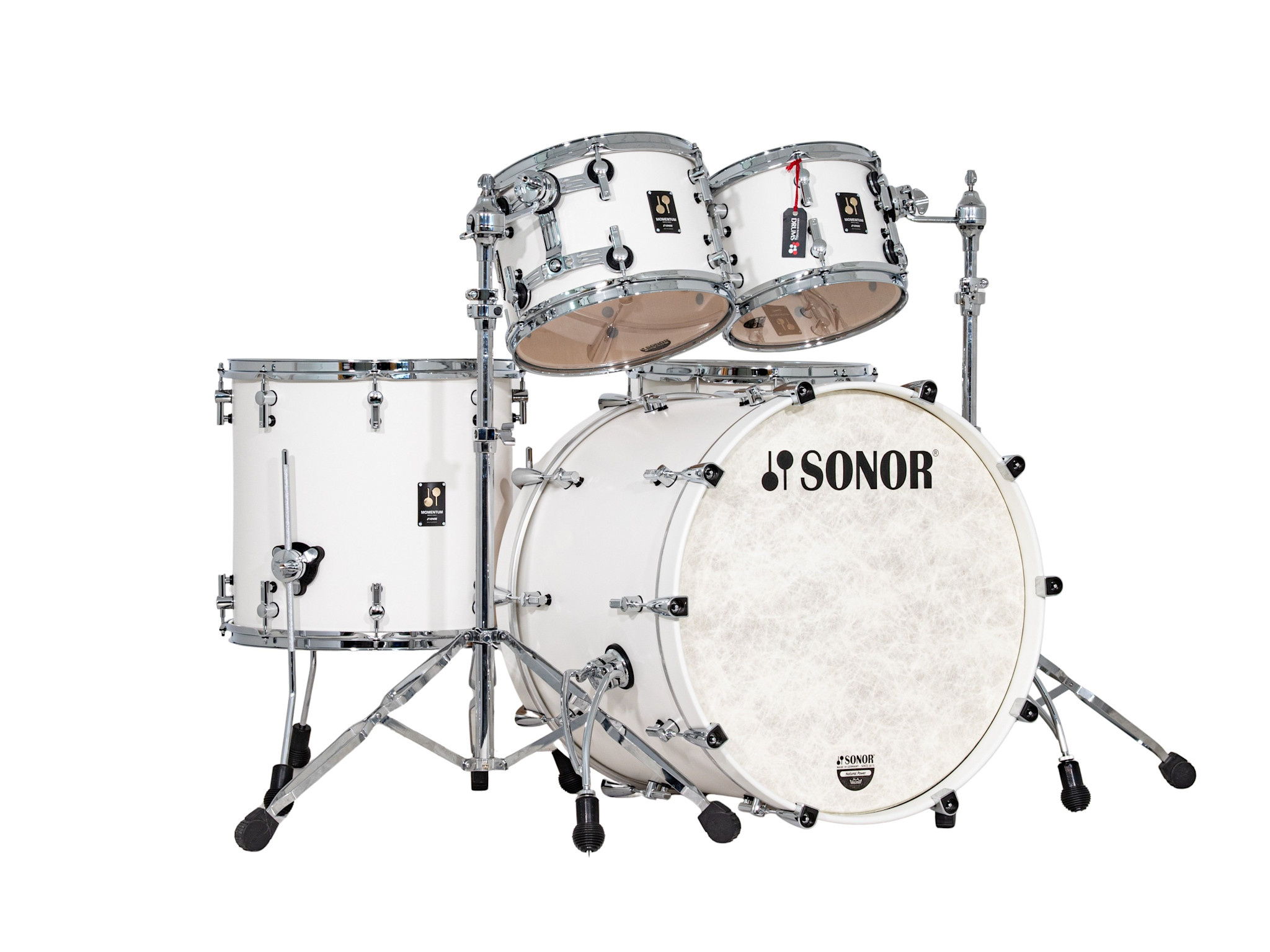
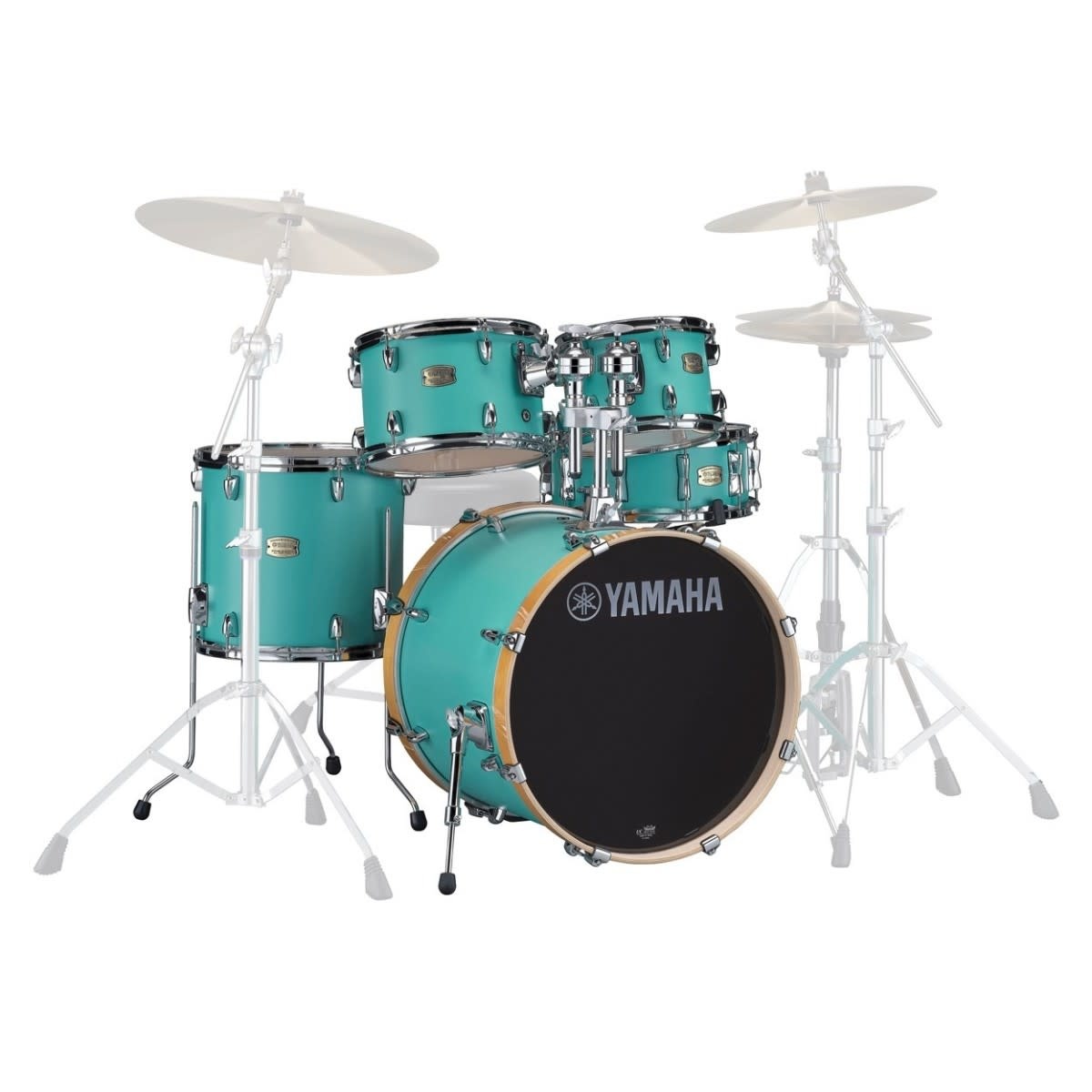
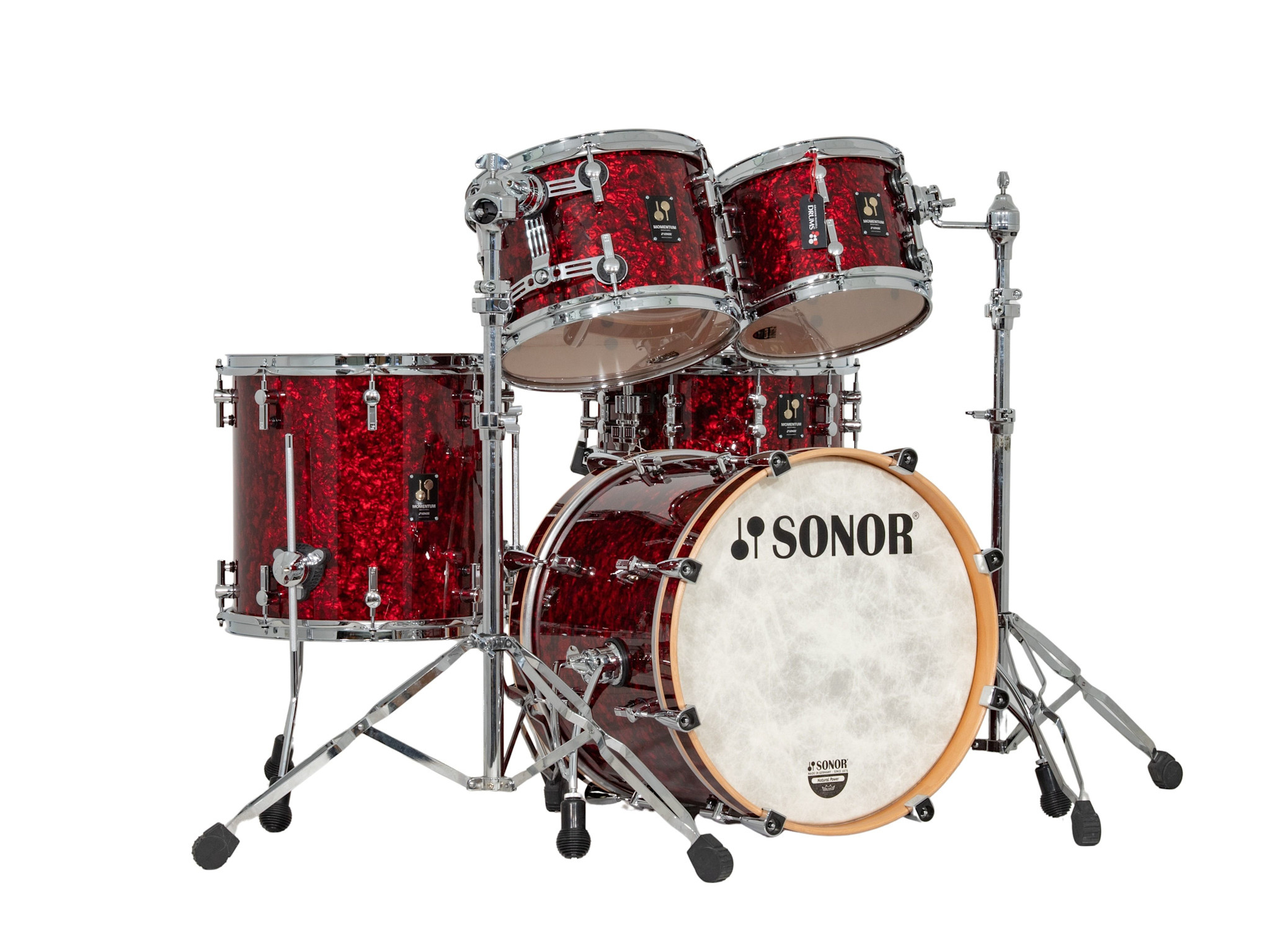
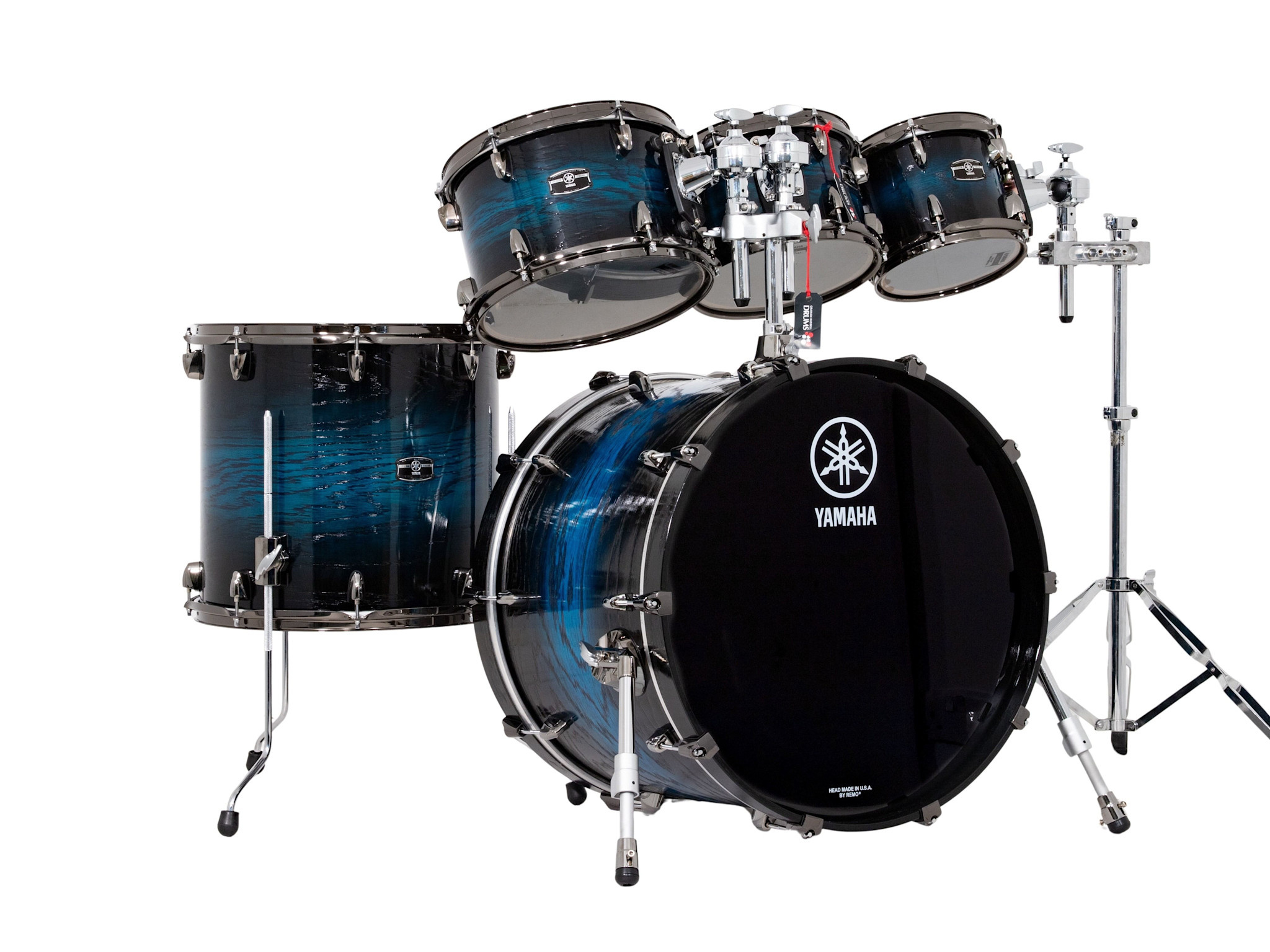
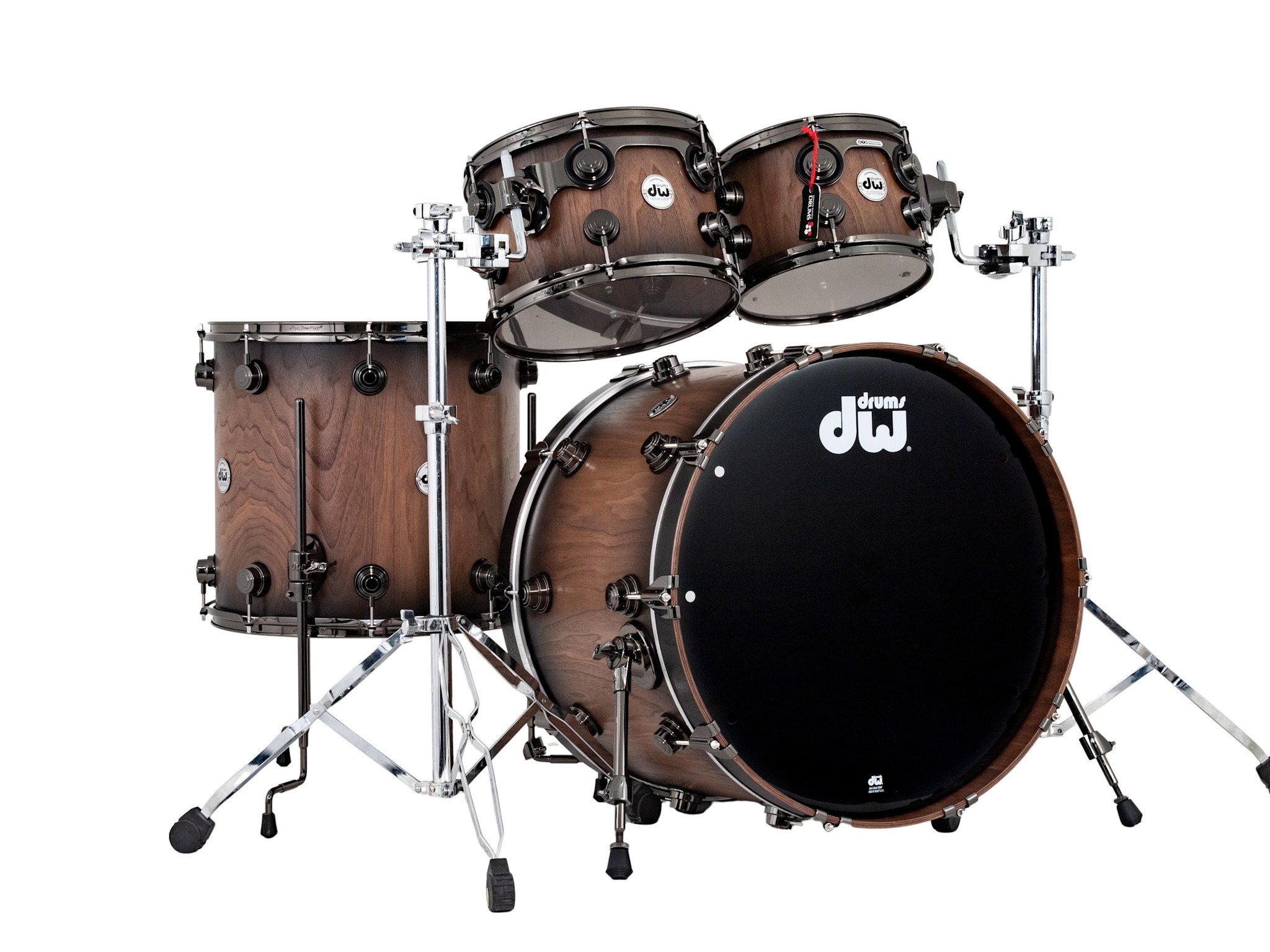
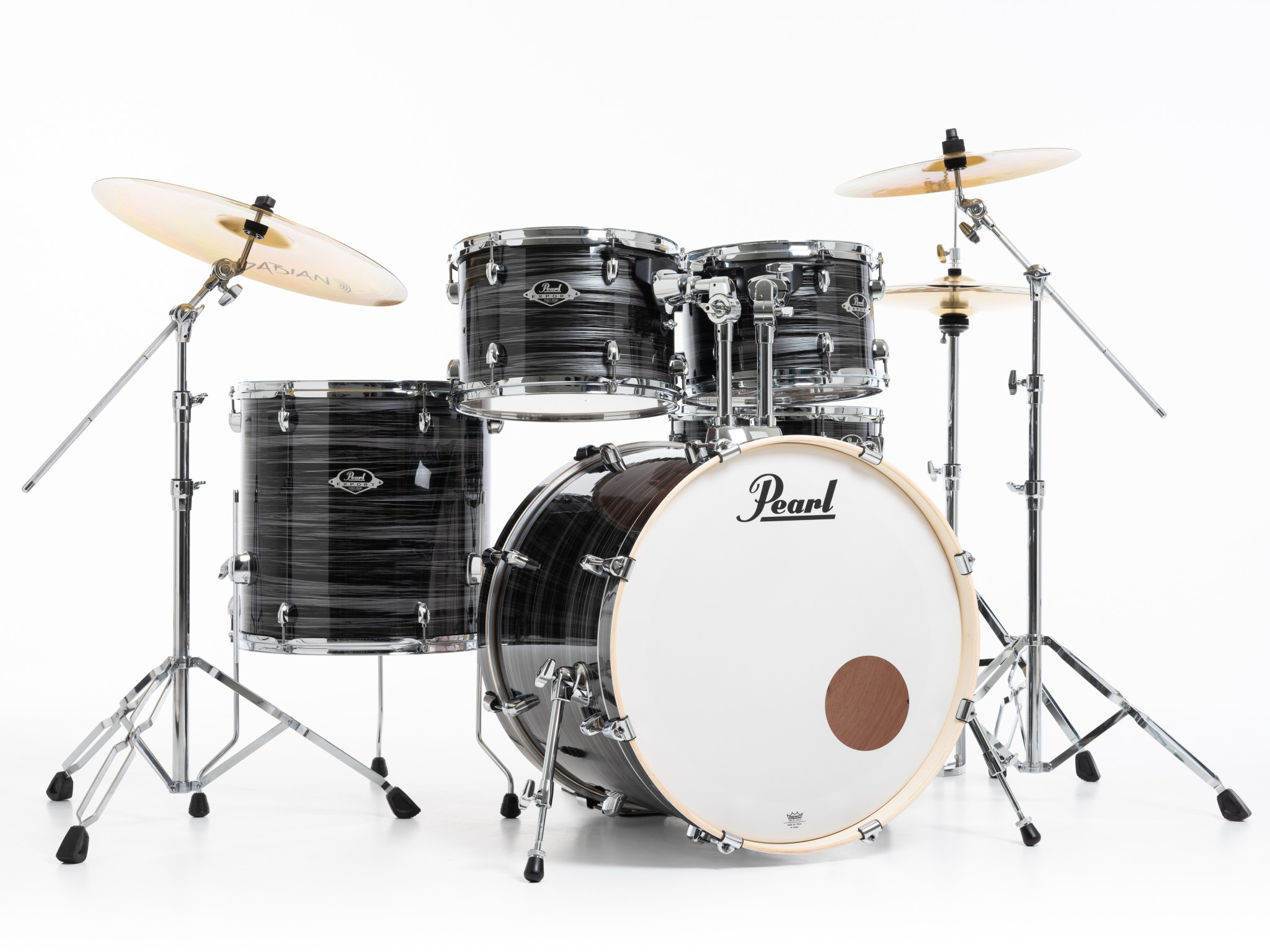
These current new-product examples show how the main woods appear in complete kits. Select any image or caption to view the full shell specification.

Hybrid drum shells: why manufacturers mix woods
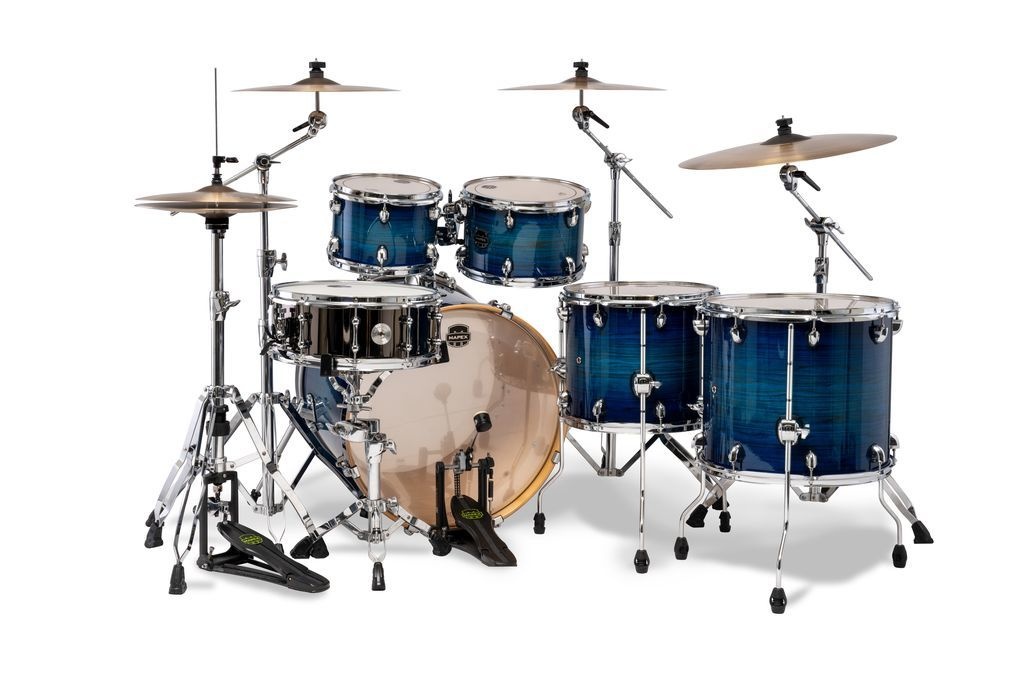
A hybrid drum shell uses two or more materials in the ply lay-up. The aim is normally to add focus, low-end weight, projection or control while preserving the main character of the outer or inner wood. The order, thickness and number of plies matter, so two shells using the same pair of woods will not automatically sound the same.
| Shell combination | What the blend is designed to offer | New GRD example |
|---|---|---|
| Birch/Maple/Birch | Maple body and resonance between birch plies for quick response, punch and clear projection | Mapex Armory Maple/Birch |
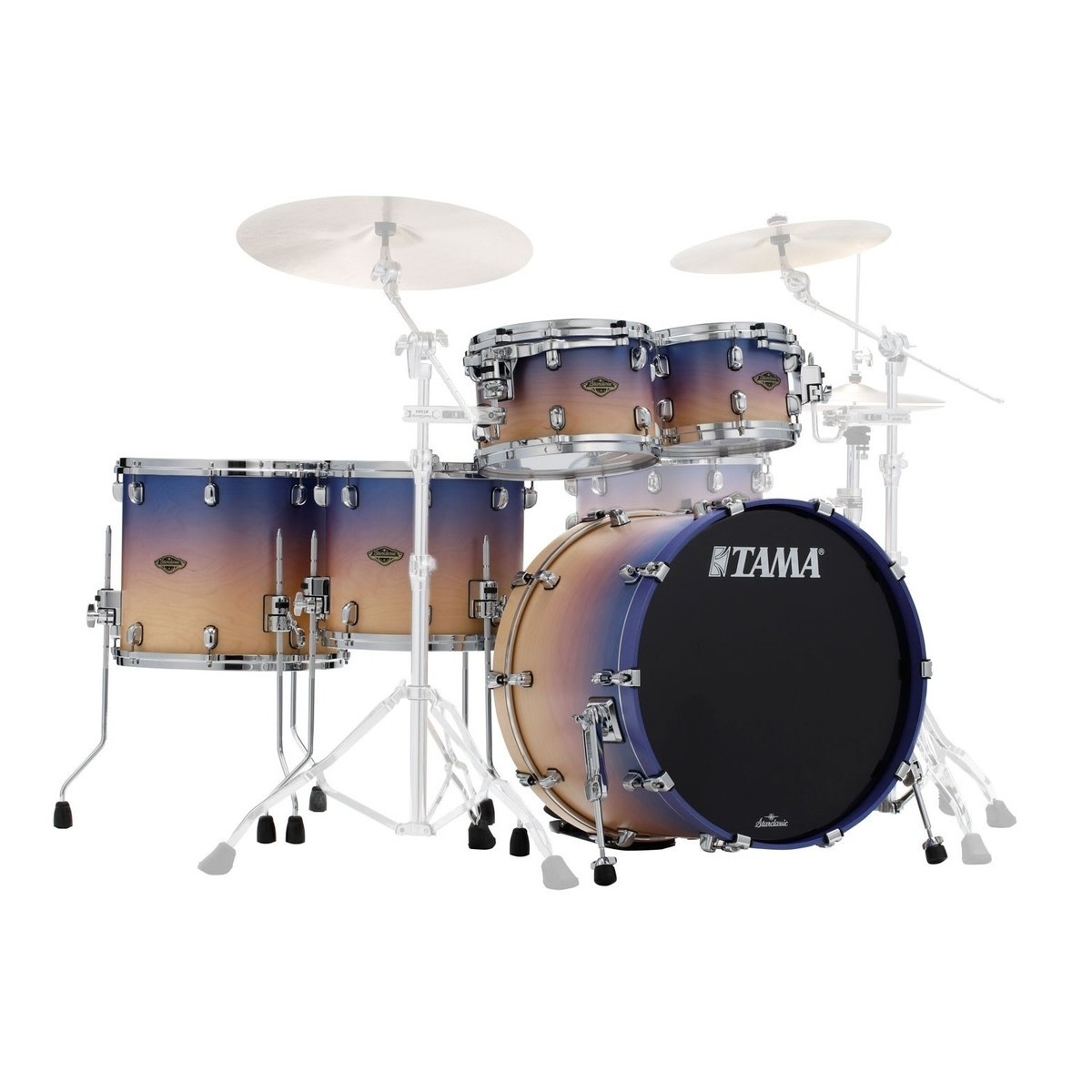
| Walnut/Birch | Birch attack and projection with walnut low-mid warmth | Tama Starclassic Walnut/Birch |
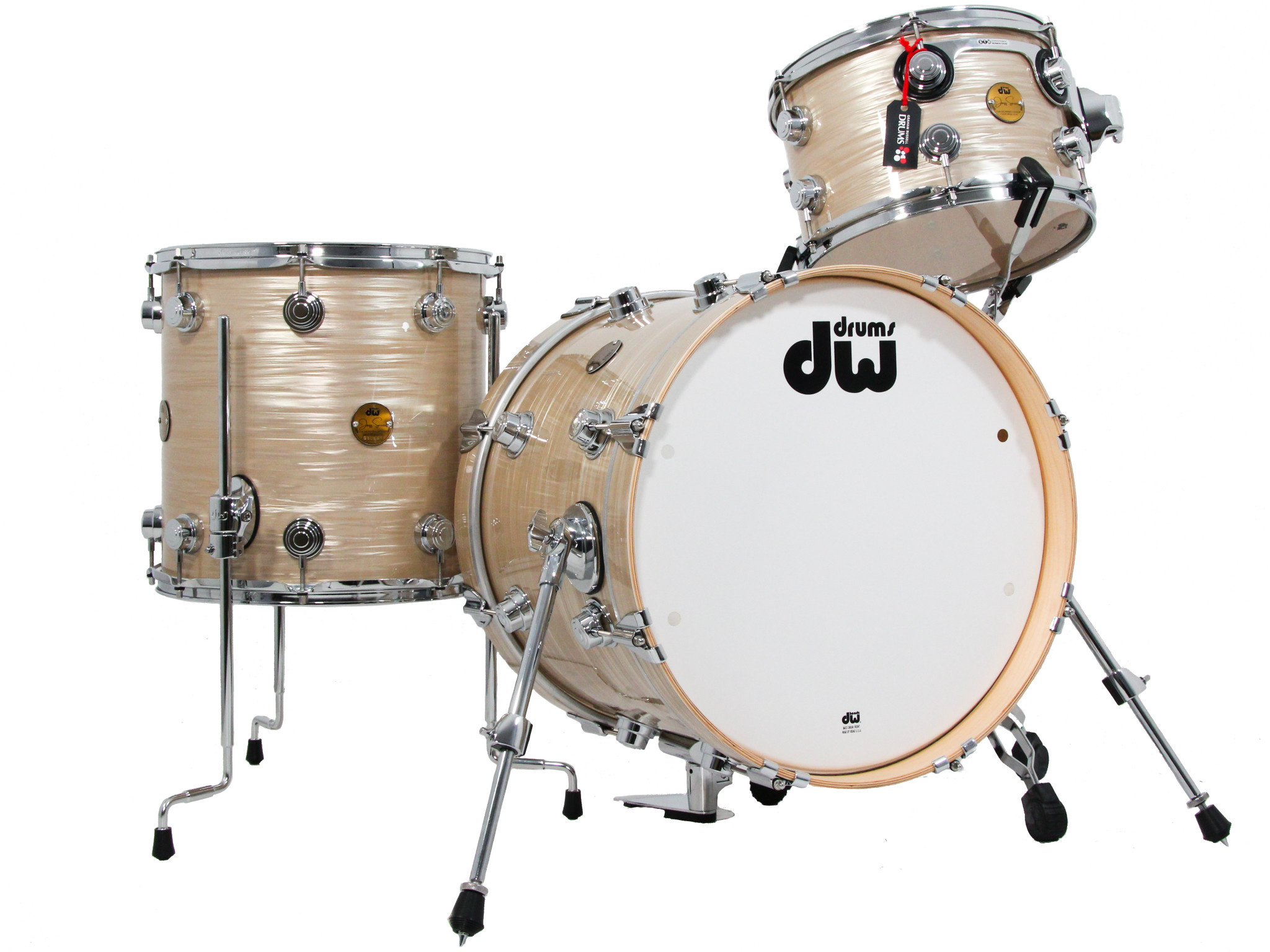
| Maple/Gum | A round gumwood core with maple clarity and a controlled medium sustain | DW Jazz Series Maple/Gum |
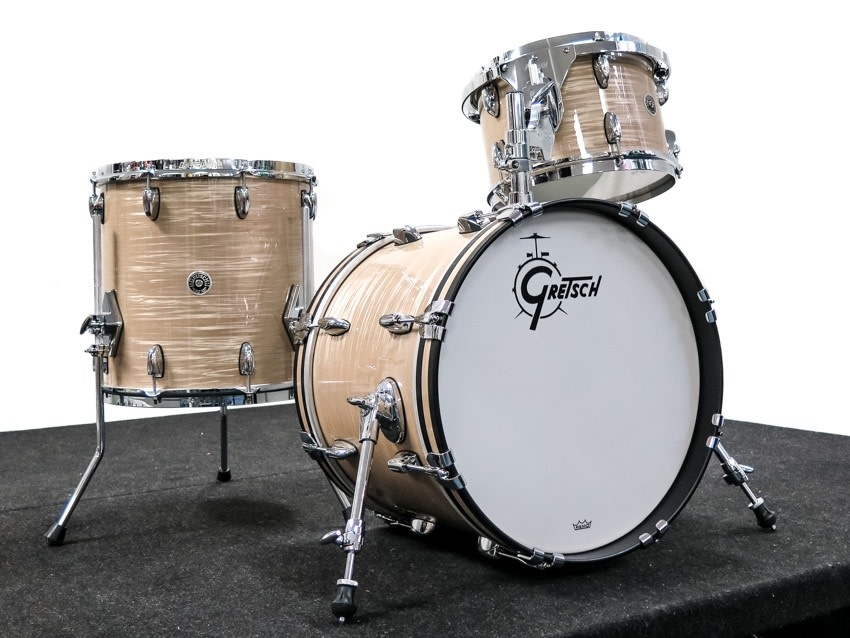
| Maple/Poplar | Maple resonance with a softer core and an open, warm vintage-style voice | Gretsch Brooklyn Maple/Poplar |
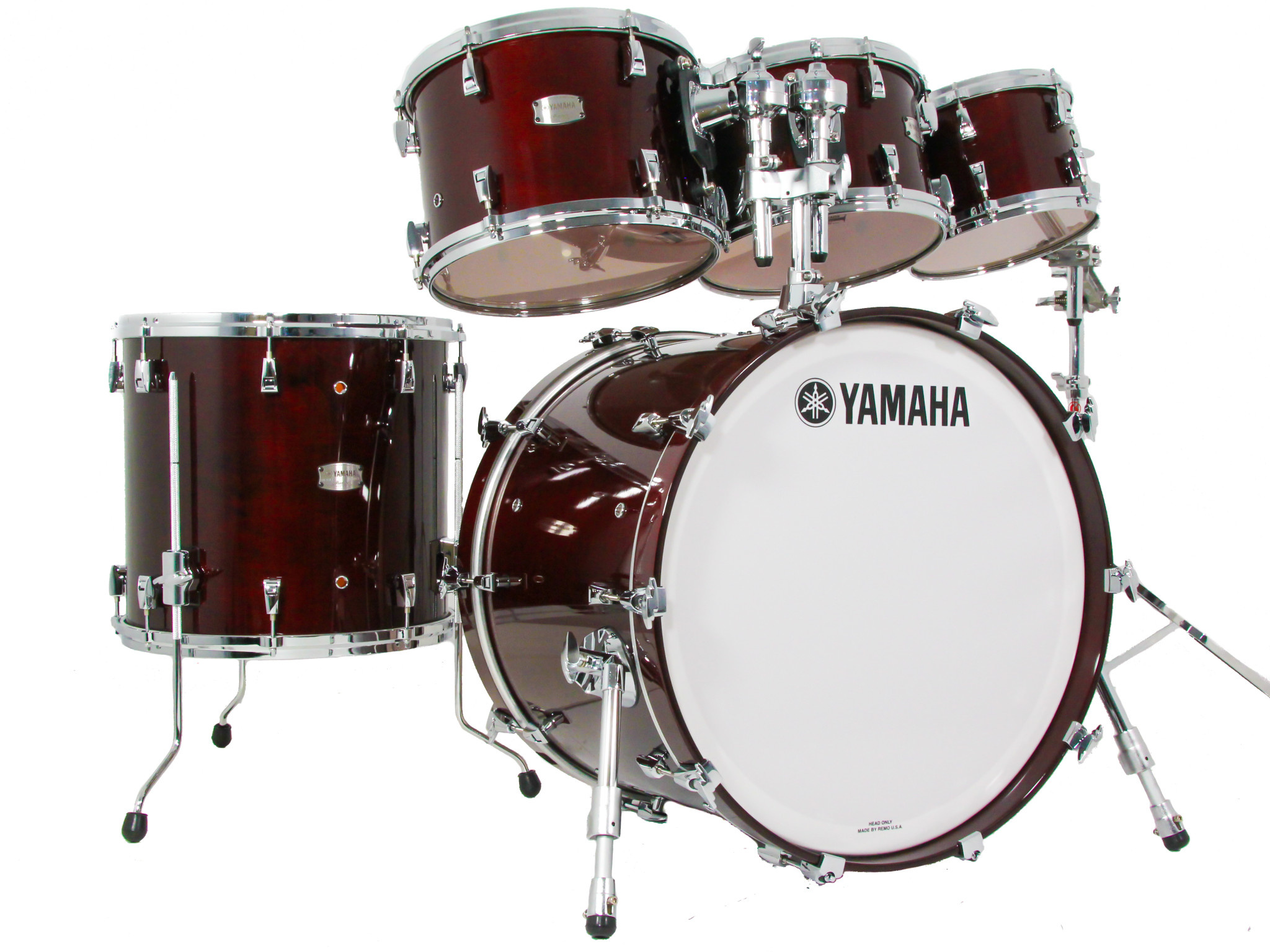
| Maple/Wenge | Balanced maple around a dense centre ply for clarity, power and dynamic response | Yamaha Absolute Hybrid Maple |
| Mahogany/Poplar | Mahogany low-end warmth with poplar focus and value | Pearl Export Mahogany/Poplar |
Which drum shell wood should you choose?
- One kit for most jobs: start with maple or beech.
- Fast attack and mix-ready clarity: try birch.
- Maximum live projection: compare oak, birch and walnut/birch.
- Dark or vintage-style tone: look at mahogany/poplar, maple/poplar or rounded-edge shells.
- Deep tone with a controlled note: try walnut.
- Best value: poplar and mahogany/poplar kits can sound excellent with good heads and careful tuning.
The most reliable comparison uses drums of similar sizes with similar heads and tuning. If possible, play the kits next to one another. You can compare a wide range of new drum kits and wood snare drums at our Fareham showroom. If you are travelling to see a particular kit, check the product page or contact us first to confirm it is in store.
How this guide was researched: the tonal descriptions and shell constructions were cross-checked against current information published by Yamaha, Sonor, Tama, DW, Gretsch, Ludwig and Pearl, then kept broad enough to account for different drum sizes and designs. Product specifications and images come from Graham Russell Drums' new-item listings.
Frequently Asked Questions
What is the best wood for drums?
There is no single best drum shell wood. Maple is a sensible all-round choice, birch suits players wanting attack and cut, and beech offers warmth with strong projection. The best option depends on the complete drum, your tuning and the sound you need.
Are maple drums better than birch drums?
No. Maple usually sounds warmer and more evenly balanced, while birch often gives a more focused attack with prominent lows and highs. Both are professional shell woods, so the choice is tonal rather than a simple difference in quality.
Does drum shell wood really make a difference?
Yes, wood contributes to attack, frequency balance, sustain and projection. It is still only one part of the sound. Heads, tuning, shell thickness, bearing edges, hoops, drum dimensions and mounting can make an equally large or larger difference.
Which drum shell wood sounds warmest?
Mahogany is commonly associated with the darkest sound and strongest low-frequency emphasis. Walnut is also deep and warm, while maple and beech give warmth with a more balanced overall response. Shell design can change that order, so treat it as a starting point.
What is a hybrid drum shell?
A hybrid shell combines different woods or materials in one ply lay-up. Common examples include maple/birch, walnut/birch, maple/gum, maple/poplar, maple/wenge and mahogany/poplar. Manufacturers use these blends to balance attack, warmth, projection and sustain.
Does an exotic outer veneer change a drum's sound?
Not necessarily. A very thin outer veneer is often chosen mainly for appearance and may have much less influence than the core shell woods. Read the complete shell construction rather than assuming the finish named in the product title is the main tonewood.
Do the same wood descriptions apply to snare drums?
The broad tendencies still apply, but snare wires, hoops, head choice, shell thickness, depth and tuning have an especially strong effect on a snare drum. Compare the complete specification and intended tuning range rather than choosing by wood alone.
Written by Joel for Graham Russell Drums












Comments
Be the first to comment...