


The Ultimate Guide to Yamaha Bass Drum Pedals! (2026)
- Posted on
- By GRD
- 0
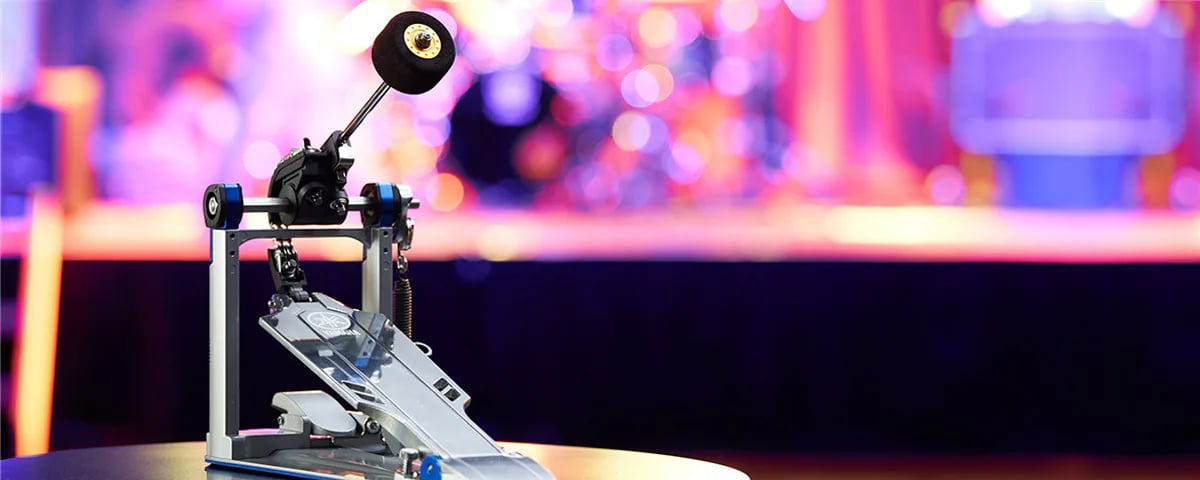
A Complete walkthrough of the entire Yamaha Bass Drum Pedal Range we stock at Graham Russell Drums!
Ultimate Yamaha Bass Drum Pedal Guide (2026) – FP7210A to FP9 Explained
When drummers search for a Yamaha bass drum pedal, they are usually looking for reliability, smooth feel and long-term durability. Yamaha’s pedal range covers everything from lightweight entry-level single pedals through to flagship direct drive double pedals used in touring and professional studio environments.
At Graham Russell Drums, we stock the full progression of Yamaha bass drum pedals — including FP7210A, FP8500 series, FP9500 series and the flagship FP9 range, in both chain drive and direct drive, single and double configurations, including left-footed double pedals.
This guide explains the differences clearly, starting from the most affordable model and working up to Yamaha’s most advanced professional designs.
Yamaha FP7210A – Entry Level Single Chain Drive
The Yamaha FP7210A sits at the entry point of the Yamaha pedal range and remains one of the most popular lightweight single chain drive pedals available.
The Yamaha FP7210A uses a single chain drive system and does not feature a solid base plate, keeping the pedal lightweight and easy to transport. This makes it particularly well suited to drummers using lightweight hardware setups, function players who travel regularly, or students looking for a reliable first pedal without stepping into professional pricing territory.
It does not offer the advanced adjustability of higher-tier models, but what it does offer is dependable response and Yamaha’s consistent engineering quality.
Yamaha FP8500 Series – Mid-Range Stability
Stepping up from the FP7210A brings you to the Yamaha FP8500C (single) and DFP8500C (double). This is Yamaha’s mid-range workhorse tier.
The key upgrade here is the move to a double chain drive and a solid base plate, which significantly increases stability and power transfer. The pedal feels more planted under heavier playing and provides a stronger, more controlled stroke.
For drummers playing rock, louder styles, or gigging regularly, the FP8500 series provides a meaningful performance upgrade without moving into flagship pricing. The DFP8500C twin pedal version offers a reliable double bass solution for players wanting consistency without the complexity of higher-end cam systems.
Yamaha FP9500 Series – Professional Performance
The Yamaha FP9500 series is where the range becomes fully professional. This tier includes the FP9500C (double chain single), FP9500D (direct drive single), DFP9500C (double chain twin pedal), DFP9500D (direct drive twin pedal), and left-footed double variants.
The FP9500 series introduces interchangeable cam options, independent footboard and beater angle adjustment, and higher precision components throughout. The chain drive models provide a slightly more traditional, forgiving feel that works well for rock, session and general professional use. The direct drive versions offer faster rebound and a more immediate response, making them particularly attractive to metal and technical players.
For many working drummers, the Yamaha FP9500 series represents the ideal blend of control, refinement and price.
Yamaha FP9 Series – Flagship Engineering
At the top of the Yamaha range sits the FP9 series, including FP9C (chain drive), FP9D (direct drive), DFP9C (double chain twin), DFP9D (direct drive twin), and DFP9CL (left-footed chain double).
These pedals feature advanced cam adjustment systems, premium bearings and precision-machined components designed for touring reliability and maximum control. The feel is exceptionally smooth and highly customisable. Chain drive versions offer controlled power and adaptability across styles, while direct drive models deliver extremely fast response and tight rebound.
For drummers demanding ultimate adjustability and refinement, the FP9 range sits at the top of Yamaha’s hardware engineering.
Chain Drive vs Direct Drive – Choosing the Right Feel
When choosing between a Yamaha chain drive pedal and a Yamaha direct drive pedal, the difference lies primarily in feel rather than quality.
Chain drive systems introduce a slight elasticity, creating a more forgiving and traditional response underfoot. Direct drive systems provide a rigid connection between footboard and beater, resulting in faster rebound and immediate attack.
Yamaha offers both drive types in the FP9500 and FP9 series, allowing players to choose based purely on playing style rather than budget limitations.
Single vs Double Pedal
A Yamaha double bass drum pedal is essential for drummers using double bass patterns or playing metal and progressive styles. Yamaha provides double pedal options in the FP8500, FP9500 and FP9 tiers, ensuring consistency of feel whether choosing mid-range or flagship.
For jazz, funk, pop and many session environments, a single pedal remains entirely sufficient.
Left-Footed Yamaha Double Pedals
Yamaha’s inclusion of dedicated left-footed double bass drum pedals, such as the DFP9CL and left-footed FP9500 variants, ensures left-footed players are not limited to compromise solutions.
The GRD Take – Choosing the Right Yamaha Pedal
If portability and simplicity are the priority, the FP7210A is an excellent starting point. For gigging stability, the FP8500 series offers stronger construction. The FP9500 range provides professional versatility across chain and direct drive options, while the FP9 series represents Yamaha’s most advanced engineering. Choosing between them ultimately comes down to playing style, required adjustability and budget.
At Graham Russell Drums, we stock the entire Yamaha pedal range and a host of other bass drum pedals from all different brands, both new and used, along with the full range of Yamaha hardware. Feel free to visit in store or give us a call if you would like any more information, and our experienced and knowledgeable GRD team will be more than happy to help!
Frequently Asked Questions
What is the difference between the Yamaha FP9500 and FP9 series?
The FP9500 series offers professional-level performance with interchangeable cams and independent footboard and beater angle adjustment. The FP9 series builds on this with more advanced cam systems, premium bearings and enhanced refinement throughout. Both are designed for serious players, but the FP9 sits at the top of Yamaha’s pedal engineering.
Should I choose a chain drive or direct drive Yamaha pedal?
Chain drive pedals provide a slightly more traditional, forgiving feel underfoot and work well across a wide range of styles. Direct drive pedals offer a more immediate response and faster rebound, often preferred by players who prioritise speed and articulation. Yamaha offers both systems in its professional and flagship ranges.
Is the Yamaha FP7210A suitable for gigging?
Yes. The FP7210A is lightweight and simple in design but built with Yamaha’s usual reliability. It is well suited to rehearsals, function gigs and players who value portability. For heavier playing styles, many drummers may prefer the added stability of the FP8500 or FP9500 series.
Do Yamaha make left-footed double bass drum pedals?
Yes. Yamaha offers dedicated left-footed double pedal models within the FP9500 and FP9 ranges, allowing left-footed players to access the same engineering and performance options as standard configurations.












Comments
Be the first to comment...