


Yamaha EAD10 vs EAD50, What’s the difference and which should you buy?
- Posted on
- By GRD
- 0
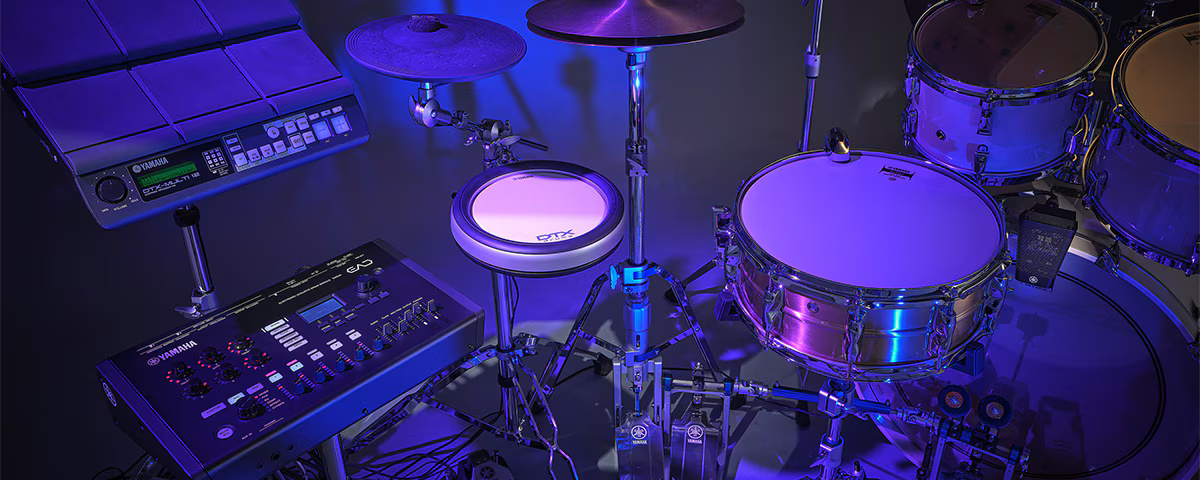
A comprehensive breakdown of the Yamaha EAD 10 and EAD50, the differences, and which one is right for you.
Yamaha’s EAD systems make it possible to capture, monitor and enhance an acoustic drum kit without setting up a traditional multi-microphone rig. The Yamaha EAD10 and Yamaha EAD50 share that core idea, but they are designed around very different workflows.
The EAD10 is built around speed, simplicity and a finished stereo drum sound. The EAD50 is a much broader production and performance hub, with external microphone inputs, individual outputs, multichannel USB recording, Bluetooth and deeper hybrid expansion. This guide explains what those differences mean in practice and whether the additional EAD50 capability is relevant to the way you actually play.
Written by Alex Neave
Originally published 4 February 2026 | Updated 25 July 2026
You want quick stereo monitoring, easy practice, Rec’n’Share videos, straightforward recording or a simple way to send your full kit to a small PA.
You need external microphone inputs, separate outputs, multitrack USB recording, Bluetooth, advanced routing or a more extensive acoustic/electronic hybrid setup.
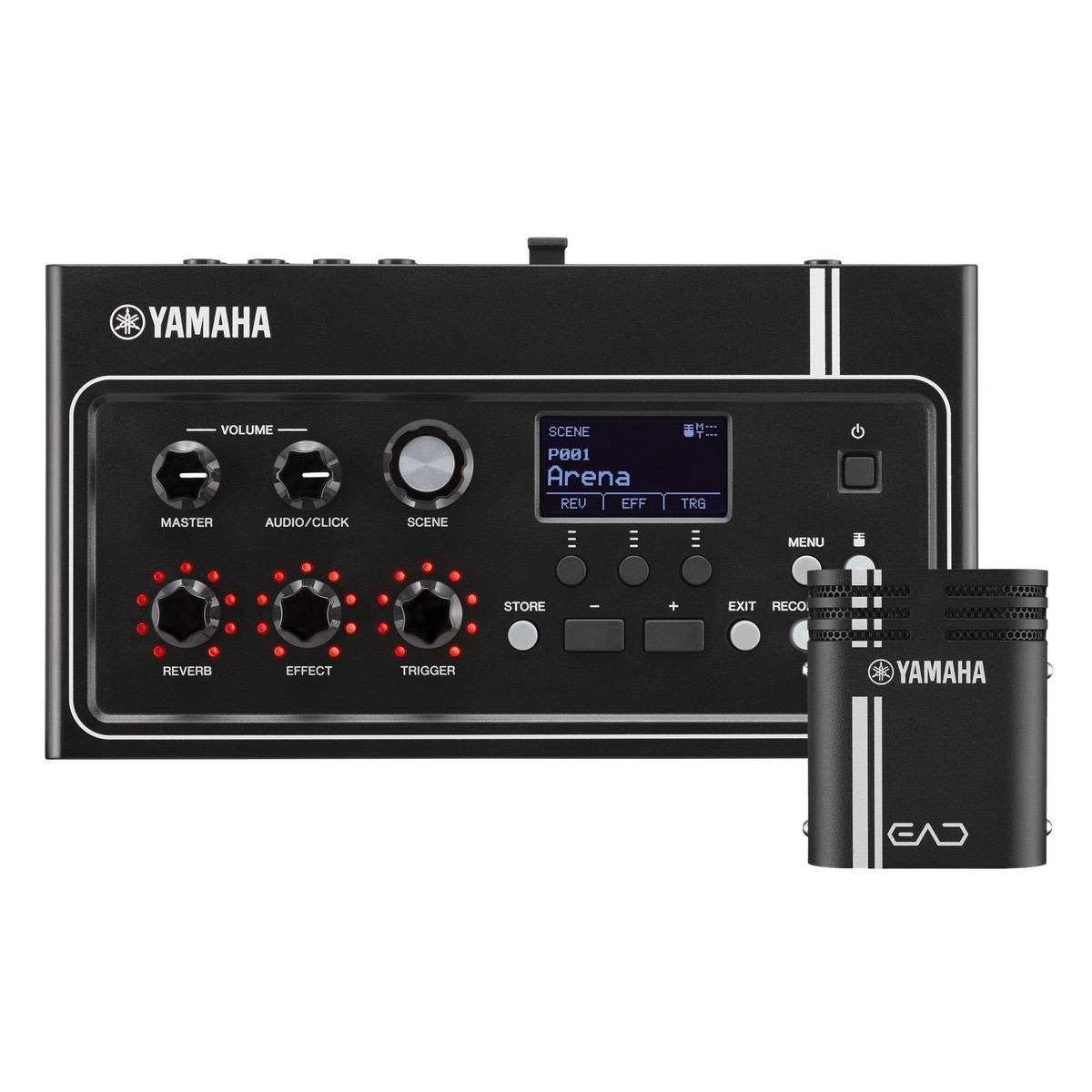
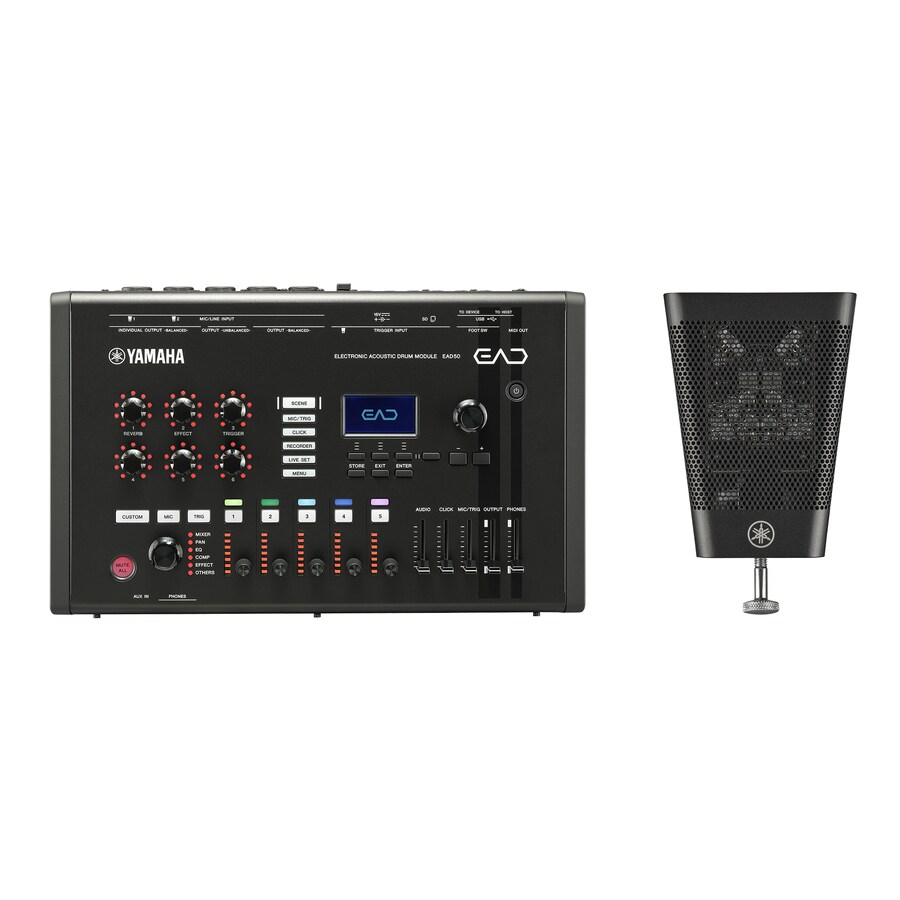
What Do the EAD10 and EAD50 Have in Common?
Both systems are designed to capture a natural stereo image of an acoustic drum kit from a sensor mounted on the bass drum hoop. Each sensor also detects the bass drum strike, allowing triggered sounds to be blended with the acoustic microphones. Both modules provide effects, electronic sounds, headphone monitoring, practice tools and support for Yamaha’s Rec’n’Share app.
The difference is not that one produces a “real” drum sound and the other does not. The difference is what happens after the kit has been captured. The EAD10 quickly creates a complete stereo mix. The EAD50 gives the player or engineer much greater control over the individual signals, routing, recording and expansion.
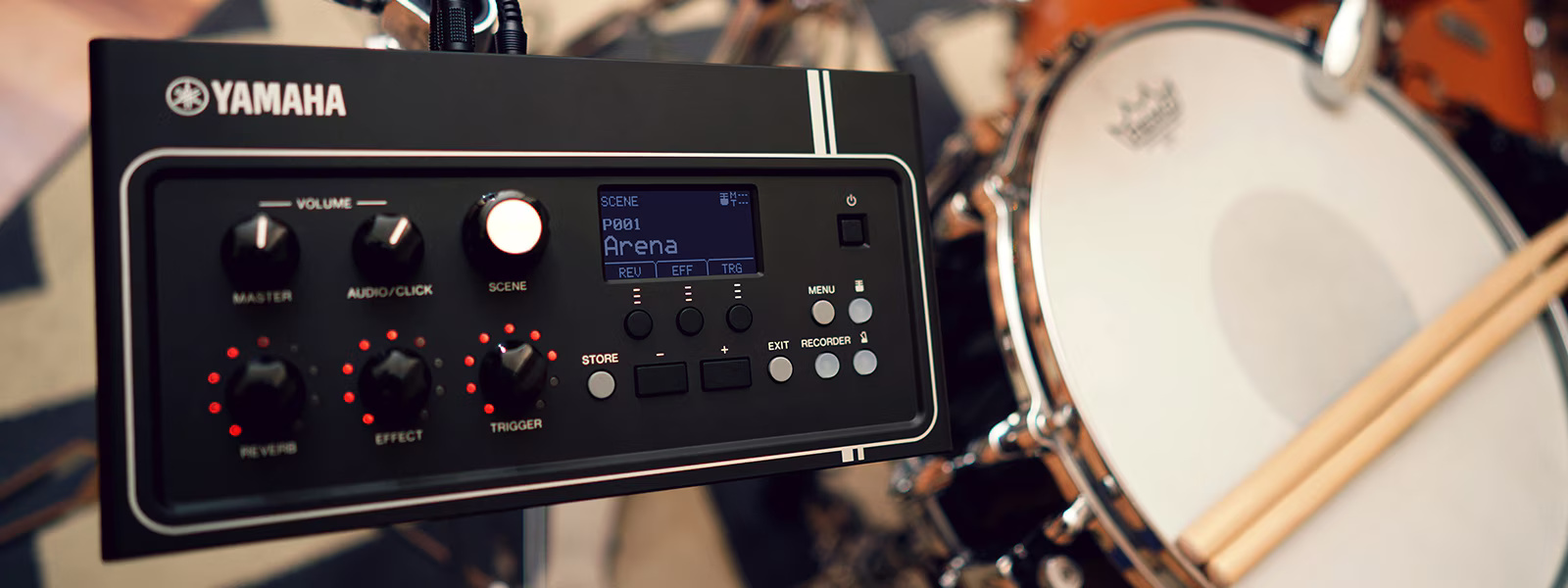
Yamaha EAD10 Explained
The Yamaha EAD10 is aimed at drummers who want a useful full-kit sound without turning every practice session, recording or gig into a technical setup. Its bass-drum-mounted sensor combines XY stereo condenser microphones with a kick trigger, while the compact module provides 50 preset Scenes and space for 200 user Scenes.
The EAD10’s strength is immediacy. You can connect headphones, select a Scene and hear the whole acoustic kit with effects and triggered sounds. Music can be connected by AUX or USB, and Rec’n’Share can combine the EAD10 audio with smartphone video. Recordings can also be made to a computer or USB flash drive, with USB-memory recordings lasting up to approximately 90 minutes per file.
I use an EAD10 personally, and one of its most useful practice benefits is how clearly it exposes softer details. Ghost notes and subtle dynamic changes become easier to hear through headphones, which makes it easier to assess consistency and finesse rather than simply playing louder. I originally bought mine for content creation, but it has become just as useful as a practice and monitoring tool.
The EAD10 can also connect up to six triggers or pads, including the kick trigger built into its sensor. That gives it enough expansion for many hybrid setups, but its audio is still handled as a convenient stereo mix rather than a collection of separately routable microphone channels.
Yamaha EAD50 Explained
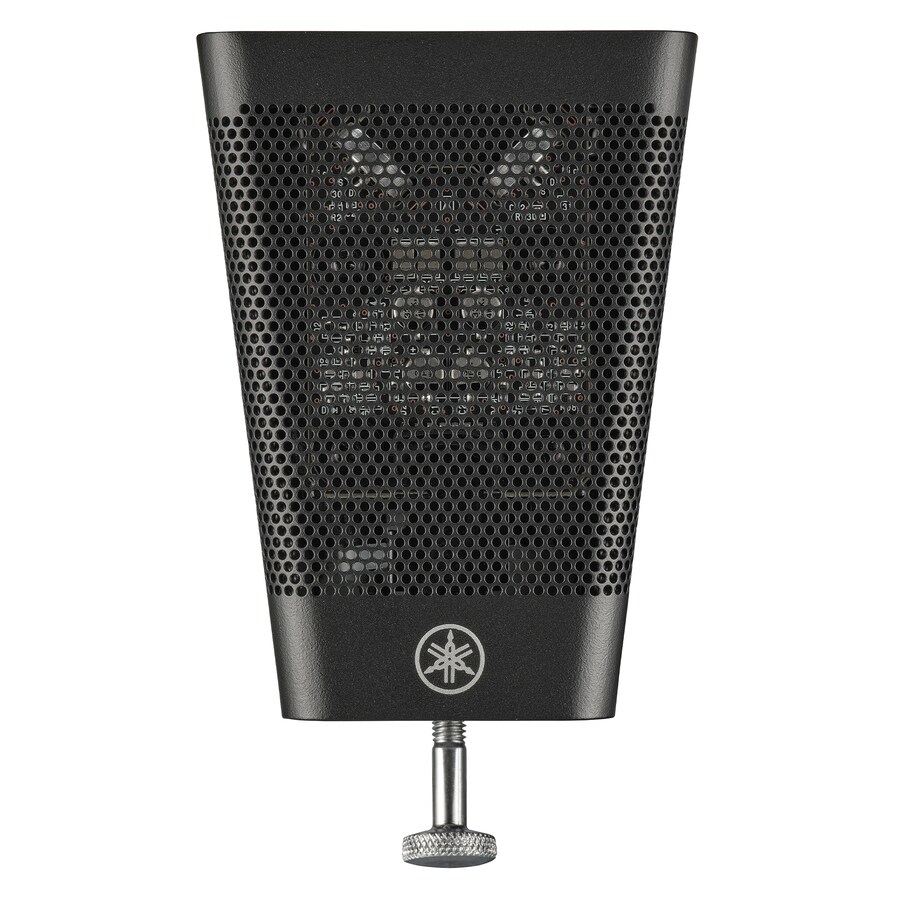
The Yamaha EAD50 takes the EAD concept much further. It includes the newer DSU50 sensor unit, but can also work with ordinary microphones, additional DSU50 units, electronic pads and acoustic-drum triggers. This allows it to function as a drum sound module, microphone mixer, audio interface, playback system and hybrid-performance centre.
The DSU50 uses a matched pair of drum-optimised condenser capsules in an XY arrangement. Its internal sensor assembly is isolated to reduce mechanical vibration, and its housing includes both a bass-drum-hoop clamp and a 3/8-inch mounting point. A second DSU50 can be added for wider or more detailed capture.
The EAD10 sensor and DSU50 are not interchangeable. The original EAD10 sensor was designed specifically for the EAD10, while the DSU50 was designed for the EAD50. This is important for anyone considering upgrading only the module rather than buying the complete EAD50 package.
Yamaha EAD10 vs EAD50: The Differences That Matter
Sensor and Sound Capture
The EAD10’s original sensor provides the quick, integrated stereo capture that made the system popular. The EAD50’s DSU50 is a newly designed unit with matched drum-specific microphone capsules, improved mechanical isolation and more flexible placement. One DSU50 can capture the kit on its own, while a second unit or ordinary microphones can be added when greater coverage or separation is required.
Inputs, Outputs and Routing
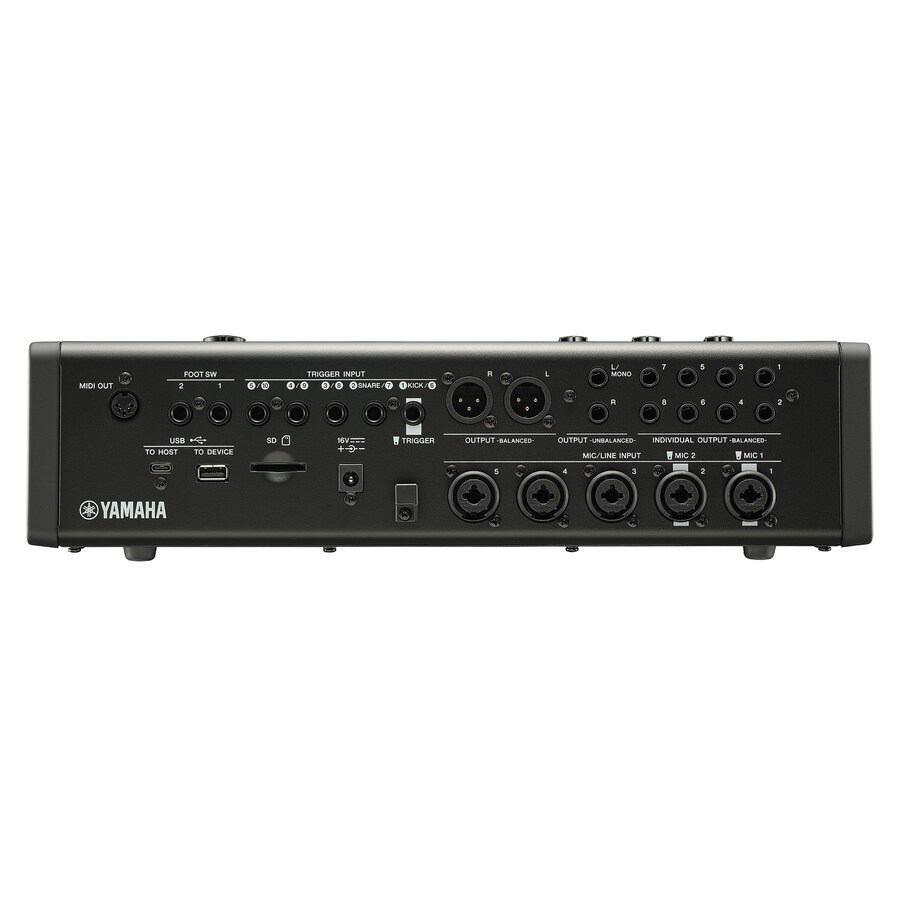
The EAD10 is intended to deliver a completed stereo drum mix to headphones, speakers, a recorder or a simple PA. It does not provide conventional external microphone inputs or individual outputs for separate drum elements.
The EAD50 can accept the DSU50 or up to five external microphones, and its microphone, trigger, effect and playback signals can be freely routed. It provides eight individual balanced outputs in addition to balanced XLR master outputs, giving a front-of-house engineer or recording setup much more control over the final mix.
Stereo Recording vs Multitrack Recording
The EAD10 is ideal when you want a finished stereo recording quickly. The sensor, effects and triggered sounds are combined into the mix you hear, making it easy to record practice sessions, performances and smartphone videos without later mixing several channels.
The EAD50 functions as an 8-input/10-output USB audio interface. A computer and DAW can receive separate microphone signals, electronic trigger sounds, effects, backing tracks and click channels. Yamaha also supplies Cubase AI, so the EAD50 can form the centre of a genuine multitrack recording or streaming setup.
Bluetooth, Apps and Playback
The EAD10 uses wired AUX or USB connections for music playback and smart-device integration. It works with Rec’n’Share, which can combine the module’s audio with video recorded on a compatible phone or tablet.
The EAD50 adds Bluetooth audio for wireless backing tracks and Bluetooth MIDI for control through Yamaha’s dedicated EAD Touch app. EAD Touch provides graphical editing of sounds, microphone and trigger settings, and input/output routing. Rec’n’Share is also supported, although its audio connection uses USB rather than Bluetooth.
Triggers and Hybrid Expansion
The EAD10’s six-trigger capacity is enough for adding several drum triggers or electronic pads to a straightforward hybrid kit. The EAD50 is designed for more extensive expansion, with additional trigger connectivity, deeper sound editing, sampling and more flexible routing between acoustic microphones, electronic sounds and external equipment.
Practice, Content Creation and Live Use
The EAD10 remains one of the quickest ways to improve acoustic-drum practice, produce good smartphone content or send a complete kit sound to a compact live system. Its limits are also part of its appeal: there are fewer decisions to make before playing.
The EAD50 is not only for festival stages or professional studios. Bluetooth playback, Rec’n’Share, a configurable click and a Talk function also make it useful for home practice, lessons, streaming and video creation. Its advantage is that the same unit can grow into much more complex live and recording workflows.

Which Yamaha EAD System Should You Buy?
The newer and more expensive system is not automatically the better purchase. The right choice depends on which capabilities you will actually use.
- Choose the EAD10 for home practice: its quick headphone monitoring and straightforward controls make it easier to sit down and play.
- Choose the EAD10 for simple content creation: it produces a finished stereo sound that works naturally with Rec’n’Share.
- Choose the EAD10 for compact gigs: it can send a complete kit mix to a PA without a full microphone setup.
- Choose the EAD50 for multitrack recording: its 8-in/10-out USB interface allows the individual sources to be recorded and mixed separately.
- Choose the EAD50 for professional live routing: its individual balanced outputs give engineers control over separate signals.
- Choose the EAD50 for external microphones and larger hybrid setups: it offers far more room for expansion.
- Choose the EAD50 for wireless playback and deeper editing: Bluetooth and EAD Touch add a more configurable daily workflow.
Yes, when you need its multitrack recording, microphone inputs, professional outputs, detailed routing, Bluetooth or extensive hybrid expansion. If you mainly want excellent stereo monitoring, practice and content creation, the EAD10 is likely to offer better value and a simpler workflow.
The GRD Take
The EAD50 is technically the more capable system, but that does not make the EAD10 obsolete. The EAD10 remains unusually good at turning an acoustic kit into an enjoyable headphone, recording and content-creation setup with very little friction. That simplicity is a real benefit rather than merely a feature that the more expensive model lacks.
The EAD50 becomes the stronger choice when the system needs to operate as part of a wider production environment. Separate outputs, external microphones, multichannel USB and detailed routing can replace several separate pieces of equipment, but only for a drummer who needs those functions. We would not recommend buying the EAD50 solely because it is newer.
Both systems can be used with a wide variety of acoustic drum kits and integrated with triggers, pads and other electronic drum equipment. They also sit naturally alongside Yamaha’s wider range of acoustic and electronic drums.
Both systems are available from Graham Russell Drums, and the team can help you decide whether your setup needs the EAD50’s additional routing and recording tools or the more direct EAD10 workflow.
Frequently Asked Questions
Is the Yamaha EAD50 a replacement for the EAD10?
Not for every drummer. The EAD50 is the higher-end system, but the EAD10 remains the simpler and more affordable option for stereo monitoring, practice, content creation and uncomplicated live use.
Can the EAD10 sensor be used with the EAD50?
No. The EAD10 sensor was designed specifically for the EAD10 and is not compatible with the EAD50. The EAD50 package includes the newer DSU50 sensor unit.
Can ordinary microphones be connected to an EAD system?
The EAD50 can accept standard microphones directly and can be used with up to five external microphones. The EAD10 does not provide ordinary microphone inputs, so additional microphones require a separate mixer or audio interface.
Can the Yamaha EAD50 record separate tracks?
Yes. The EAD50 operates as an 8-input/10-output USB audio interface, allowing compatible recording software to receive separate microphone, trigger, effect, backing-track and click channels.
Do the EAD10 and EAD50 work with Rec’n’Share?
Yes. Both systems support Yamaha’s Rec’n’Share app for recording drum audio and smartphone video. The EAD50 uses a USB connection for Rec’n’Share rather than sending the app audio over Bluetooth.
Does the Yamaha EAD10 have Bluetooth?
No built-in Bluetooth connection is provided. Music and compatible smart devices connect to the EAD10 through AUX or USB. The EAD50 adds Bluetooth audio and Bluetooth MIDI.
Can a second DSU50 be added to the EAD50?
Yes. A second DSU50 can be connected to provide a wider stereo image or more detailed coverage of the kit. Standard microphones can also be used instead.
Can you gig with the Yamaha EAD10 or EAD50?
Yes. The EAD10 is particularly convenient for smaller venues and simple stereo PA setups. The EAD50 can also work simply, but its individual outputs, XLR masters and detailed routing make it better suited to shows where the engineer needs control over separate elements.
Written by Alex Neave
I've been a part of the Graham Russell Drums team since October 2025, but my connection with the shop goes back much further as a customer since 2012. Over the years I've advised drummers of all ages and experience levels, refurbished countless second-hand kits and spent a lot of time helping customers navigate the often overwhelming world of drum gear. Alongside over 13 years of playing experience, that hands-on exposure to thousands of products allows me to write buying guides based on real-world knowledge and practical experience rather than simply repeating manufacturer specifications.












Comments
Be the first to comment...