


Acoustic vs Electronic Drums for Beginners: Which Should You Choose?
- Posted on
- By Alex
- Posted in Beginner Kits
- 0
A practical guide to choosing between acoustic and electronic drums, covering noise, space, feel, technique, costs and complete beginner setups.
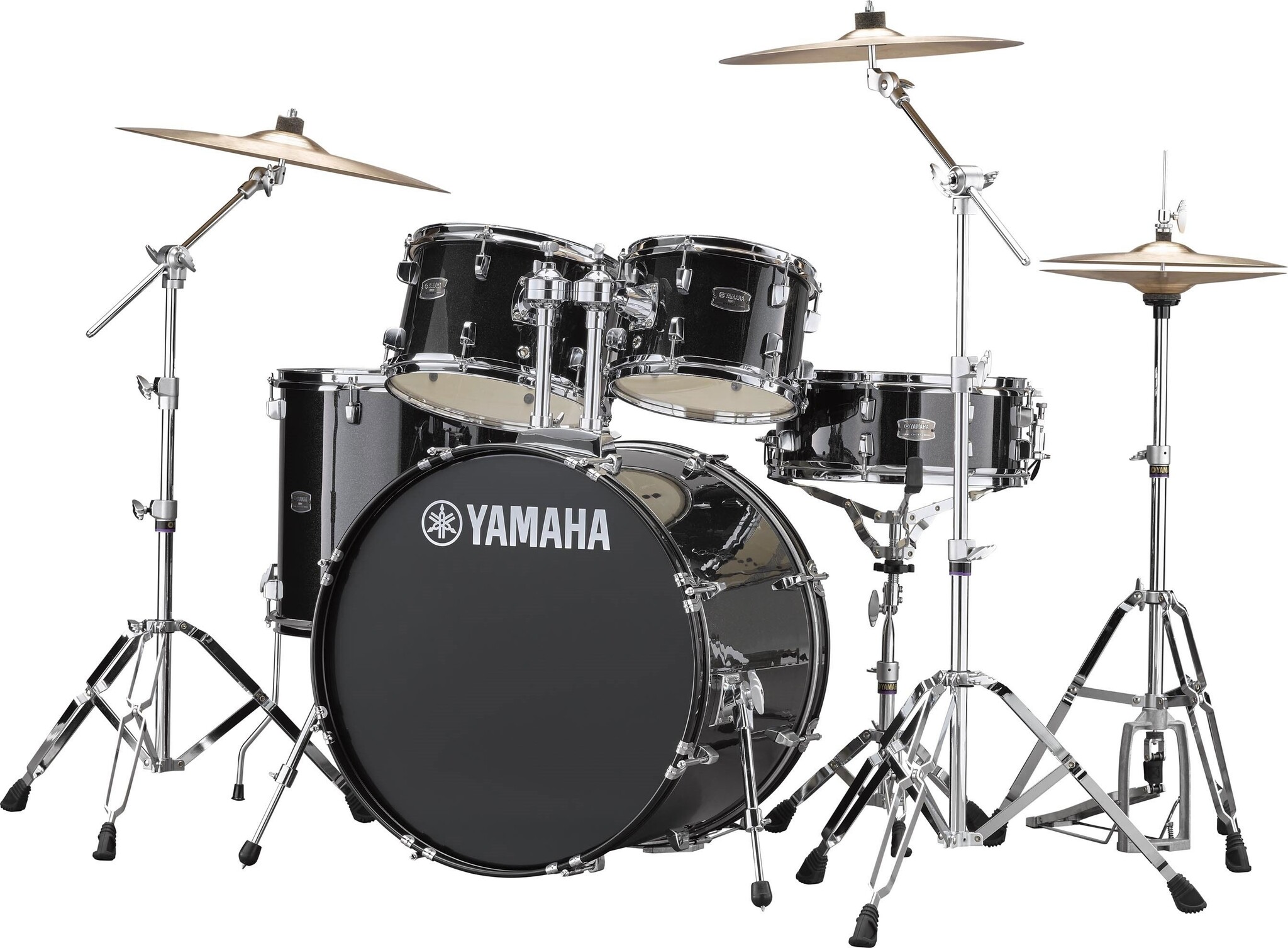
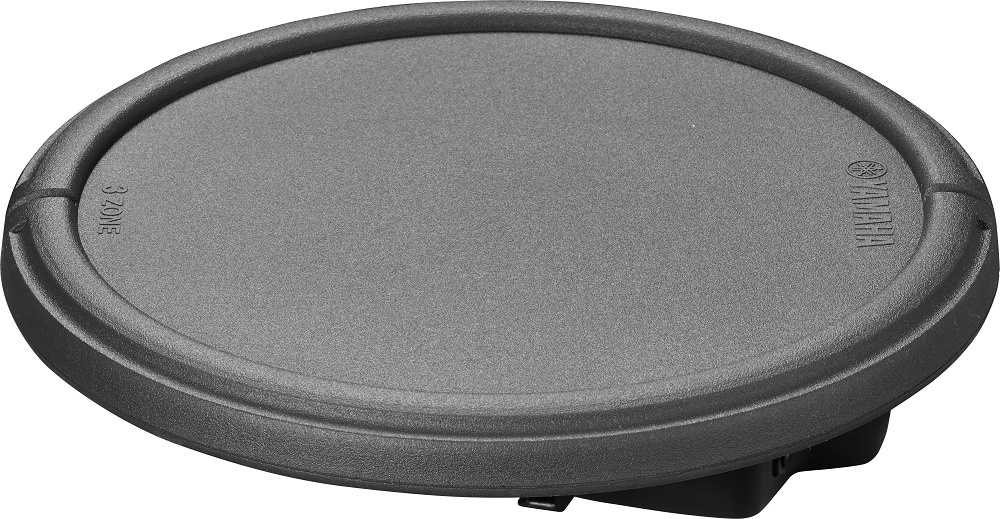
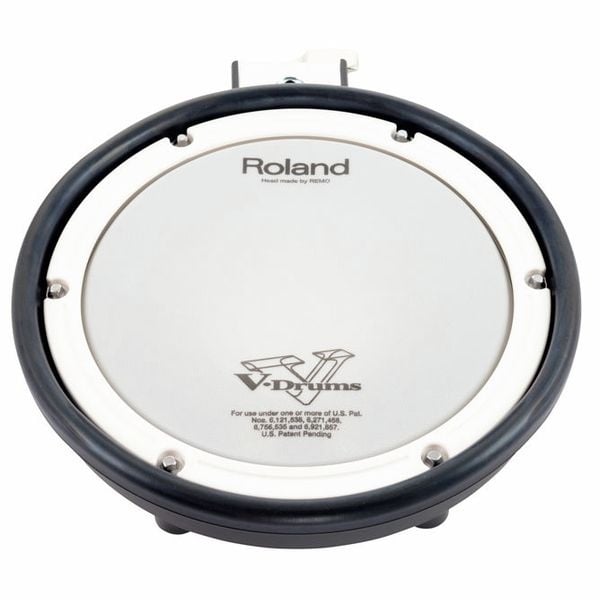
Written by Alex Neave · Graham Russell Drums Choosing a first drum kit usually leads to one big question: should you buy an acoustic or electronic drum kit? Both can be excellent choices for a beginner, but they suit very different homes, practice routines and learning environments. An acoustic kit gives you the most direct experience of playing real drums and cymbals, while an electronic kit makes headphone practice, lower-volume playing and built-in learning features much easier. Neither is automatically the better way to learn. The right choice depends on where the kit will live, how often it can realistically be played and what sort of setup the beginner is likely to use at lessons, school, rehearsals or gigs. At Graham Russell Drums, we regularly help beginners and parents make this exact decision. In this guide, we will compare noise, space, feel, technique, what is included, extra equipment, practice features, maintenance and long-term progression, before looking at complete beginner setup examples for both acoustic and electronic drums. Choose an acoustic kit if: you have enough space, noise is not a major problem and you want the most natural drum and cymbal feel from the beginning. Choose an electronic kit if: quieter practice, headphones, a smaller footprint or built-in practice and recording features will allow you to play more often. Either can be a very good first kit. The most important thing is choosing a setup that lets the beginner practice regularly and develop good technique. One of the easiest mistakes to make when buying a first kit is comparing only the advertised price. Two kits can appear similar on paper but require very different amounts of additional equipment before they are actually ready to play. Acoustic kits are sold in several different forms. A shell pack usually includes the drums and essential tom-mounting hardware, but may not include cymbals, stands, a bass drum pedal or a throne. A complete beginner package can include much more, so always read the contents carefully. A complete acoustic setup will normally need: If the kit does not include hardware or cymbals, those extras can make a significant difference to the cost of the complete setup. Our Beginner's Guide to Choosing Drum Hardware explains what the main stands and pedals do, while our Best Budget Cymbal Packs for Beginners compares complete starter cymbal sets. Electronic kits normally include the drum and cymbal pads, sound module, rack, cables and power supply, but the accessories around them vary considerably. Some include a bass drum pedal, while others provide a kick pad but require you to add your own pedal. Hi-hat setups can also use either a separate controller pedal or a conventional hi-hat stand depending on the kit. Depending on the model, you may still need: Beginner buying tip: Compare the cost of a complete playable setup, not just the headline price of the drum kit. For many beginners, this is the section that decides the answer. A drum kit is only useful if you are actually allowed to play it often enough to improve. There is no way around it: acoustic drums and cymbals produce a lot of volume. In a detached house with a suitable practice room this may be manageable, but in a flat, terraced house or shared living space it can quickly become a problem for family members and neighbours. Hearing protection should also be treated as part of the setup rather than an optional extra, particularly for younger players. Our Drummer's Guide to Hearing Protection covers earplugs, ear defenders and isolation headphones in more detail. Electronic drums have a huge practical advantage because the drum sounds can be heard through headphones. The rest of the house therefore hears mainly the physical impact of the sticks and pedals rather than a full acoustic kit. However, electronic drums are not completely silent. Mesh and rubber pads still make impact noise, and bass drum pedals can transfer vibration through the floor. This is especially important in upstairs rooms and flats, where the kick pedal may be more noticeable to the room below than the stick noise itself. Electronic kits are usually more compact and can often be folded or pushed back when not in use. Acoustic kits generally need more room around the drums for cymbal stands and full-size cymbals, although compact acoustic configurations are available. The important question is not only "Will it fit?" but "Can it stay set up?" A kit that has to be completely packed away after every practice session can become a barrier to playing. If possible, give the beginner a setup that can remain ready to use. An acoustic kit gives you the most direct playing experience. Real drumheads, full-size cymbals and moving hi-hats respond naturally to different stick heights, playing positions and dynamics. If a beginner is likely to spend most of their time playing acoustic drums at school, in bands or at lessons, this can make the transition between practice and performance completely seamless. Modern electronic kits can still feel excellent. Mesh heads are tension-adjustable and provide a responsive surface, while better kick pads and hi-hat systems can feel much closer to acoustic hardware than very basic electronic controllers. The quality of the pads matters more than simply whether a kit is described as electronic. Yes. Timing, coordination, independence, rudiments, grooves, fills, reading and song learning can all be developed effectively on an electronic drum kit. The main difference is that acoustic drums force the player to control the physical volume and balance of the kit directly. A beginner learns how hard to strike a ride compared with a snare, how softly to play ghost notes and how cymbals respond at different dynamics. Electronic kits reproduce these changes through sensors and sound samples, and the quality of that response varies between models. The kick setup is one of the most important differences between beginner electronic kits. Some use a beaterless foot controller, while others use a dedicated kick pad with a conventional bass drum pedal. A beaterless controller is compact and can reduce impact noise, but a proper pedal and kick pad gives the foot a more familiar mechanical action. If the budget and noise situation allow, we generally prefer a conventional pedal and kick pad for a beginner who is likely to move between electronic and acoustic drums, because pedal control, spring response and beater movement transfer more naturally. Electronic hi-hats range from a fixed cymbal pad with a separate controller pedal to more advanced pads mounted on a conventional hi-hat stand. Both can teach timing and open/closed coordination, but a stand-mounted system more closely reproduces the physical movement and foot feel of acoustic hi-hats. This is where electronic kits offer some of their strongest beginner advantages. Even relatively accessible modules can include features that would require extra equipment with an acoustic kit. These features do not automatically make an electronic kit a better learning tool, but they can make practice easier to organise and more enjoyable. For some beginners, being able to put on headphones, connect a favourite song and start playing immediately is a major reason they practice more frequently. Acoustic drums provide a different kind of enjoyment. There is no menu or amplification between the player and the instrument, and learning to control the actual sound of the drums and cymbals is part of the experience. Recording an acoustic kit normally requires microphones and additional equipment, although that may become relevant much later in a beginner's development. It is worth thinking about what type of kit the beginner will play away from home. Schools, rehearsal rooms and live venues still commonly use acoustic drums, while many private teachers use either acoustic or electronic setups depending on the teaching space. Learning on an electronic kit does not prevent you from playing an acoustic kit later. Most of the core coordination transfers directly, although there can be a short adjustment period when moving between the two. Full-size acoustic cymbals move more, drumhead rebound can feel different, the hi-hat may respond differently under the foot and the overall volume can initially feel surprising. Beginners who regularly switch between an electronic kit at home and an acoustic kit at lessons or school usually adapt quickly. If a student practices on an electronic kit at home and has lessons on acoustic drums, regularly experiencing both can actually be useful. Where possible, a home electronic kit with a conventional kick pedal, sensible pad spacing and a comfortable throne height will make the change feel more natural. The teacher should also know what the student has at home. Exercises can then be adapted around the available cymbals, pad zones, hi-hat system and other features rather than assuming every kit is configured the same way. Acoustic drums are mechanically simple and can remain useful for decades. Heads eventually wear and need replacing, drums need tuning and hardware benefits from occasional checking and maintenance. Cymbals should also be handled and stored sensibly. The advantage is that acoustic kits are extremely modular. You can upgrade the heads, cymbals, snare, pedal, hardware or individual drums over time without replacing the whole setup. Learning to tune and maintain the kit is also a useful part of becoming a drummer. Our How to Tune a Drum Kit guide is a useful starting point. Electronic drums do not need acoustic tuning and generally require less routine maintenance, but they contain cables, trigger sensors, connectors and electronics. Mesh heads and rubber components can also wear over time. Upgradeability varies much more between electronic kits. Before buying, it is worth checking whether the module supports an extra crash, a different hi-hat, additional pads or future module upgrades. A slightly better platform can make sense for a committed beginner if it avoids outgrowing the setup quickly. On mobile: swipe across the table to compare each category. Buying a first kit for a child is one of the most common situations where there is no automatic winner. The best setup is the one that the child can reach comfortably, practice regularly and continue using as their coordination develops. Before buying, we would think about: This becomes especially important when a kit is being bought as a birthday or Christmas present. A product photograph can make a kit look complete even when a throne, pedal, headphones, cymbals or stands are sold separately. Checking the contents before ordering avoids the disappointment of discovering on the day that a key part is missing. For many family homes, electronic drums are an extremely practical first choice simply because they allow much more frequent practice. If noise is not a problem and there is a suitable permanent space, an acoustic kit can be equally appropriate and gives the child the full physical drum-kit experience from day one. You have enough room and some flexibility around noise. In this situation, we would look more closely at how the beginner likes to practice, the kit they use at lessons and which setup they are most excited to sit behind regularly. Rather than comparing kit prices in isolation, these examples show what a sensible complete first setup can look like at two different levels for both acoustic and electronic drums. Product prices change, so the important point is the equipment included, the compromises at each level and the extras that still need to be added. These are practical examples from our current range rather than a claim that one manufacturer is automatically the best choice. For a beginner trying to keep the initial investment as low as possible, the Mapex Comet 20" Fusion is a very useful example because it already includes most of the hardware needed to start playing, including a throne and bass drum pedal. Within Mapex's current acoustic kit range, the Comet sits below the Venus as the lowest-cost complete starting point. The Mapex Comet package includes: You would still want to add: The important compromise is the cymbal setup. The supplied hi-hats and crash are enough to begin learning, but there is no ride cymbal included. A ride is used in many common grooves and songs, so it would be one of the first additions we would consider as the beginner progresses. A strong example is the Yamaha Rydeen 22" Rock Fusion Drum Kit package available from Graham Russell Drums. This is useful for a beginner because it combines the drums with a proper hardware pack and a complete starter cymbal setup rather than leaving several major purchases unresolved. The package includes: You would still want to add: This is why complete acoustic packages can make the buying process much easier for a beginner or parent. The main drum, cymbal and hardware decisions have already been brought together into one usable setup. At the more affordable end of electronic drums, the Yamaha DTX402K is a compact beginner kit built around Yamaha's DTX402 module. It uses rubber drum pads and a KU100 beaterless kick controller, making it particularly compact and helping to reduce physical kick noise compared with a conventional bass drum pedal striking a kick pad. The DTX402K itself includes: You would need to add: Unlike the TD-07KV below, the DTX402K does not require a separate mechanical bass drum pedal because the KU100 acts as the kick controller. The trade-off is that its rubber pads and beaterless kick feel less like an acoustic kit, so this is the stronger choice when compact size, lower noise and keeping the complete setup simple matter more than maximum acoustic-style feel. If the budget allows, the Roland TD-07KV is a useful example of a more acoustic-style electronic setup for a committed beginner. It uses mesh heads across the snare and toms, larger crash and ride pads than more basic kits and a freestanding KD-10 kick pad that works with a conventional bass drum pedal. The TD-07 module also gives the beginner Bluetooth audio, built-in coaching tools, a metronome, recording functions and USB audio/MIDI. The kit does not include a bass drum pedal, so that needs to be included when planning the full setup. The TD-07KV itself includes: You would need to add: An amplifier is not required for private headphone practice. You only need an electronic drum monitor, PA or other suitable amplification when somebody else needs to hear the kit in the room. For a wider comparison of beginner models, including more affordable Yamaha and Roland options, read our Best Electronic Drum Kits for Beginners guide. The throne is easy to overlook, but it supports the drummer's entire playing position. A seat that moves, slips or cannot be adjusted to the right height can make both bass drum and hi-hat technique harder to develop. There is no requirement to match the throne brand to the drum kit. Prioritise stability, suitable height adjustment and comfort. Our Drum Stool Buyer's Guide explains the main seat shapes and adjustment systems in more detail. If you decide that electronic drums suit the situation better, we would prioritise the parts that most affect playing feel and long-term usefulness rather than simply choosing the module with the biggest sound count. GRD tip: If possible, try electronic kits in person. Differences in mesh, silicone, rubber, kick pads and hi-hat systems are much easier to understand after a few minutes of playing than from a specification sheet. There is a middle ground. Acoustic kits can be made much quieter using mesh drumheads, low-volume cymbals, drum mutes and dampening products. This can be useful for players who want to keep a full acoustic layout but cannot practice at normal volume. The trade-off is that these products change the sound and often the playing response of the kit. They also do not necessarily remove bass drum vibration travelling through a floor. For some homes they are an excellent solution; for others, a purpose-built electronic kit is still more practical. There is no universal winner between acoustic and electronic drums for a beginner. An acoustic kit gives you the most direct acoustic playing experience, while a good electronic kit can be the better first instrument if it allows significantly more regular practice. In store, we normally start with the practical questions before discussing specific models: Where will the kit live? How much noise is realistic? What does the beginner play at lessons or school? Can the setup remain assembled? What equipment is already included? If both types would work in the home, then feel and personal preference become much more important. If possible, sit behind both. For many beginners, actually playing an acoustic kit and an electronic kit side by side makes the right choice much clearer than comparing specifications online. Neither is automatically better. Acoustic drums provide the most natural playing experience, while electronic drums make quieter and more frequent practice much easier. The best choice depends on the beginner's home, lessons, available space and practice routine. Yes. Timing, coordination, independence, rudiments, grooves, fills and reading can all be learned on electronic drums. Better electronic kits also provide realistic mesh pads and conventional kick setups that make the transition to acoustic drums easier. Usually not. The core coordination transfers directly, although acoustic cymbals, hi-hats, drumhead rebound and overall volume can initially feel different. Beginners who use both regularly normally adapt quickly. No. The amplified drum sound can be heard through headphones, but sticks still make contact noise on the pads and the kick pedal can transmit vibration through the floor. No, not for private practice. Headphones can be connected directly to the module on most kits. An electronic drum monitor or PA is only needed when you want the kit to be heard aloud by other people. It depends on the package. A shell pack may require cymbals, stands, a bass drum pedal and a throne, while a complete beginner kit may already include most of these. Sticks and hearing protection should also be considered part of the first setup. Common extras include a drum throne, headphones and sticks. Some kits also require a bass drum pedal or hi-hat stand, so check the individual product contents before ordering. Yes, particularly when the kit uses a conventional bass drum pedal and kick pad. Beaterless controllers still develop timing and coordination, but a conventional pedal setup transfers more naturally to an acoustic bass drum. Choose the setup that the child can use consistently. Electronic drums are often easier in family homes because of headphone practice and a smaller footprint. Acoustic drums are an excellent choice when noise and space are not restrictive and provide the full acoustic playing experience from the start. The exact footprint depends on the model and how the cymbals, pads and throne are positioned. Electronic kits are usually more compact, but always allow room for the player's legs, throne and any freestanding kick pad rather than measuring only the rack or drums. Written by Alex Neave I've been a part of the Graham Russell Drums team since October 2025, but my connection with the shop goes back much further as a customer since 2012. Alongside over 13 years of playing experience, my role at GRD involves advising drummers on acoustic and electronic equipment, working hands-on with new products and helping beginners and parents put together complete setups that suit their space, budget and playing goals.Acoustic vs Electronic Drums: Quick Answer
What Do You Actually Get With Each Type of Kit?
What Comes With an Acoustic Drum Kit?
What Comes With an Electronic Drum Kit?
Noise, Space & Where You Can Practice
Acoustic Drums Are Loud
Electronic Drums Are Quieter, Not Silent
How Much Space Do You Have?
Feel, Technique & Learning on Each Type of Kit
Which Feels More Natural?
Can You Learn Properly on Electronic Drums?
Bass Drum & Foot Technique
Hi-Hat Technique
Practice Features, Sounds, Recording & Playing Along
Lessons, School & Switching Between Electronic and Acoustic Drums
Maintenance, Durability & Upgradeability
Acoustic Kits
Electronic Kits
Acoustic vs Electronic Drums: Pros & Cons
Consideration
Acoustic Drums
Electronic Drums
Noise
Very loud
Much quieter with headphones, but not silent
Space
Usually larger footprint
Usually more compact
Playing Feel
Fully natural drum and cymbal response
Varies considerably by pad and kit design
Headphones
Not without additional microphone/monitoring equipment
One of the main advantages
Practice Features
Usually requires separate metronome/audio devices
Often built into the module
Recording
Normally requires microphones and an interface
Often straightforward via module or USB
Sounds
One real acoustic kit, shaped by tuning and equipment
Multiple kits and electronic sounds
Extra Equipment
Can require cymbals, hardware, pedal and throne
May require pedal, throne, headphones or hi-hat stand
Maintenance
Heads, tuning and hardware
Cables, pads, triggers and electronics
Long-Term Ownership
Simple, modular and potentially extremely long-lasting
Can last many years, but technology and compatibility evolve
Parents Buying a First Drum Kit for a Child
Which Type of Drum Kit Should You Choose?
Choose an Acoustic Kit If...
Choose an Electronic Kit If...
Either Could Work If...
Complete Beginner Setup Examples
Lowest-Cost Acoustic Setup Example: Mapex Comet 20" Fusion

Well-Rounded Acoustic Setup Example: Yamaha Rydeen Complete Package
Lowest-Cost Electronic Setup Example: Yamaha DTX402K
Well-Rounded Electronic Setup Example: Roland TD-07KV

Beginner Drum Throne Examples
What Should You Look for in a Beginner Electronic Drum Kit?
What If You Want Acoustic Drums but Noise Is a Problem?
The GRD Take
Frequently Asked Questions
Are acoustic or electronic drums better for beginners?
Can you learn drums properly on an electronic kit?
Is it difficult to switch from electronic to acoustic drums?
Are electronic drums completely silent?
Do electronic drum kits need an amplifier?
What extra equipment do I need with an acoustic drum kit?
What extra equipment do I need with an electronic drum kit?
Are electronic drums good for learning bass drum technique?
Should I buy acoustic or electronic drums for my child?
How much space do I need for a beginner drum kit?












Comments
Be the first to comment...