

Which Mid Range Electric Kit Should you Buy? Roland, Yamaha and Efnote Compared.
- Posted on
- By Alex
- 0
Compare midrange electronic drum kits from Yamaha, Roland and EFNOTE, with hands-on advice on pad feel, modules, cymbals and overall playing experience.
Last updated: 21 August 2026
Choosing the best midrange electronic drum kit is less about finding the model with the longest specification list and more about deciding where you want the upgrade to be felt. Once you move beyond beginner kits, pad size and material, hi-hat response, cymbal feel, module capability and the physical layout can make two similarly positioned e-kits feel completely different.
At Graham Russell Drums in Fareham, we stock and work with Yamaha, Roland and EFNOTE. This guide is for anyone looking beyond entry-level electronic drums, whether you are buying your first serious kit with room to grow, upgrading an existing setup or moving across from acoustic drums. If you are shopping further down the range, start with our beginner electronic drum kit buyer's guide.
To keep the guide useful as prices and bundles change, we have not set a fixed price bracket. Instead, we move from the more accessible midrange options towards the upper end and focus on what each step actually changes for the drummer.
Quick Answer: Which Midrange Electronic Drum Kit Should You Choose?
Start with the Roland TD316 if you want a compact all-rounder, the Yamaha DTX6K5-M if you want DTX-PRO with larger mesh pads, or the EFNOTE 3X if large cymbals and an open acoustic-style layout matter most. Stepping up, compare the Yamaha DTX8, Roland TD516 and EFNOTE 5 according to pad feel, digital triggering and acoustic-kit familiarity. If keeping physical playing noise as low as possible is the priority, the Roland VQD106 deserves separate consideration.
What to Look for in a Midrange Electronic Drum Kit
There is no single price at which an electronic drum kit suddenly becomes "midrange". For this guide, it means the point where a kit moves beyond basic practice functionality and begins to offer a noticeably more convincing, flexible or expandable playing experience.
Working on the shop floor lets us compare these differences side by side rather than relying only on manufacturer specifications. Where we describe a specific hands-on impression, it comes from time spent with the kit in the GRD showroom; where a point is specification-led, we keep it factual and focus on what it means in practice.
- Playing surfaces: pad diameter and material affect rebound, positioning and how cramped or natural the kit feels. Rubber pads can still make sense where the budget has been concentrated elsewhere; mesh and Yamaha TCS generally provide the more refined playing experience.
- Hi-hat: moving from a fixed pad and separate foot controller to a cymbal mounted on a conventional hi-hat stand can be one of the biggest upgrades in the whole kit.
- Cymbals: larger crashes and rides give you more room to move naturally, while multi-zone and positional triggering improve articulation around the cymbal.
- Module and connectivity: look beyond the number of preset sounds. Editing workflow, USB audio and MIDI, Bluetooth, practice tools, recording options and expansion can matter far more over several years of ownership.
- Layout and hardware: rack size, freestanding shells, kick-pad design and the need for separate stands all affect how the kit fits your room and how familiar it feels to an acoustic drummer.
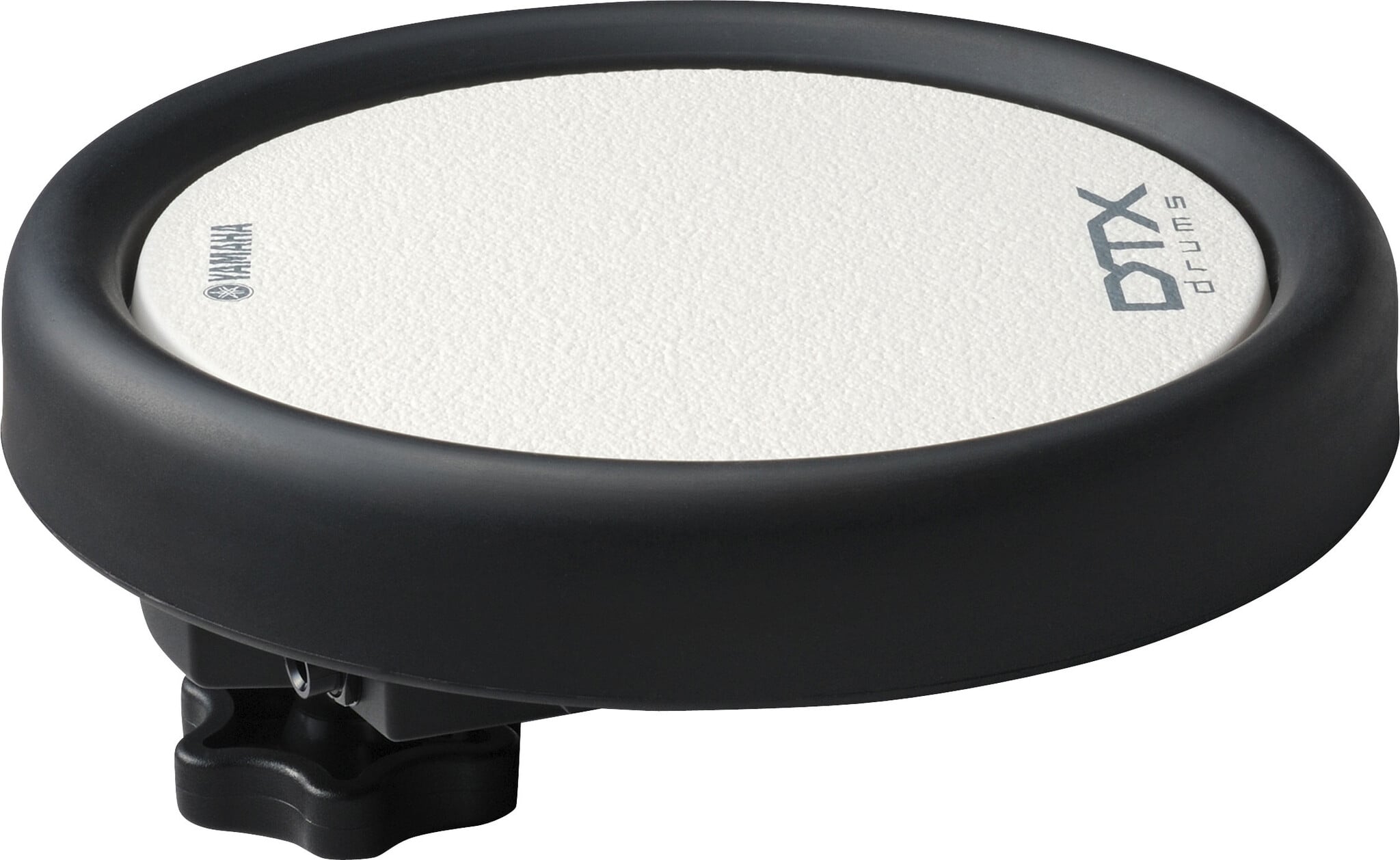
Do not judge an upgrade purely by the module. The snare, hi-hat and ride are the parts of an electronic kit you interact with most, so improvements to those three surfaces can make a bigger difference to everyday playing than hundreds of additional sounds.
Yamaha vs Roland vs EFNOTE: Which Approach Suits You?
All three brands make serious electronic drum kits, but the strongest reason to choose each one is different. Thinking about those priorities first is more useful than choosing on brand reputation alone.
Yamaha
Why consider it: acoustic-focused sampled sounds, tactile DTX-PRO controls and a genuine choice between Yamaha TCS and mesh on selected kits. Best match: drummers who care about natural drum sounds, quick hands-on editing and pad feel.
Roland
Why consider it: highly developed triggering, deep module integration and a strong upgrade path into Roland's digital-pad ecosystem. Best match: players who put detailed response, connectivity and long-term expansion near the top of the list.
EFNOTE
Why consider it: large cymbals, acoustic-style layouts, natural sampled sounds and straightforward touchscreen control. Best match: acoustic drummers who value physical realism and simple operation more than the deepest possible module editing.
The Lower Midrange: Yamaha DTX6, Roland 3 Series and EFNOTE
Yamaha DTX6 Series
The Yamaha DTX6 range shows why comparing e-kits by module alone can be misleading. Every version is built around the DTX-PRO module, with sampled acoustic drum sounds and physical Kit Modifier controls for ambience, compression and effects, but the pads, kick, cymbals and hi-hat arrangement change substantially as you move through the series.
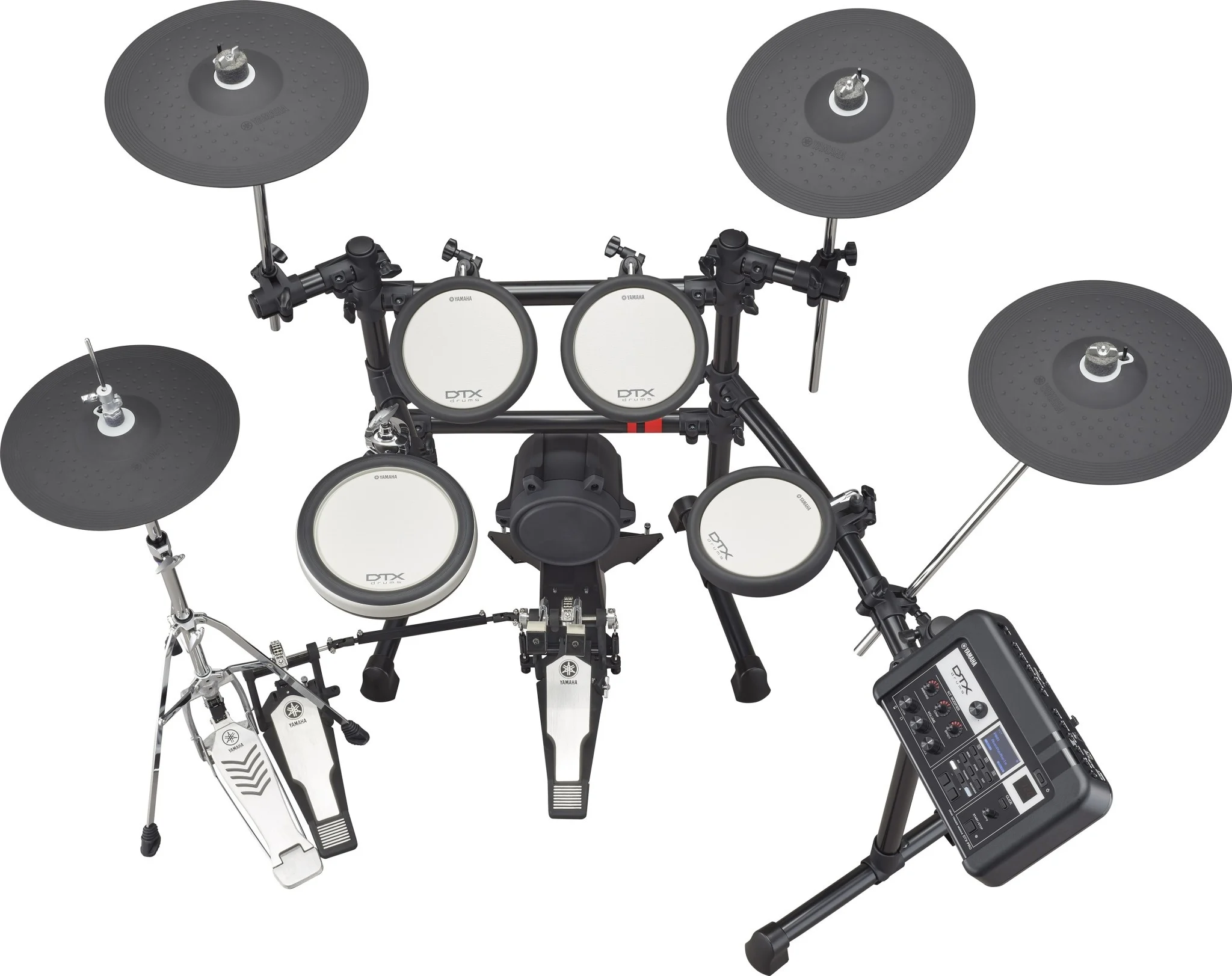
DTX6K-X — Best for getting into DTX-PRO
An 8" TCS snare, compact rubber toms and the full DTX-PRO module. It makes sense if module quality, practice and recording features matter more than having premium playing surfaces everywhere.
DTX6K2-X — Best if the hi-hat and cymbals matter most
It keeps the simpler tom pads but adds the RHH135 hi-hat on a conventional stand, a larger kick pad and a fuller cymbal setup. A sensible middle option if those contact points matter more to you than the tom surfaces.
DTX6K3-X — Best for Yamaha TCS fans
TCS surfaces are used across the snare and toms, alongside the stand-mounted hi-hat and expanded cymbal setup. Choose it if Yamaha's controlled TCS rebound is a major part of the appeal.
DTX6K5-M — Best for a full-mesh Yamaha setup
A larger 12" mesh snare, three 10" mesh toms, RHH135 hi-hat, twin crashes and 15" ride make this the most spacious DTX6 configuration and the easiest transition for players who already prefer mesh.
Do not dismiss the lower DTX6 configurations simply because they retain rubber toms. If most of your attention goes to the snare, hi-hat and module, that trade-off can be perfectly sensible. If physical drum size and head feel come first, the K3-X and especially the full-mesh K5-M are the versions to focus on.
For a deeper look at Yamaha's full electronic range, read our Ultimate Yamaha DTX Electronic Drum Kit Buyer's Guide.
Roland 3 Series
Roland's 3 Series centres on the V31 module, which brings the range onto the newer V-Drums platform with deep sound editing, USB-C audio and MIDI, wireless connectivity and a dedicated input for an optional Roland digital snare, ride or hi-hat.
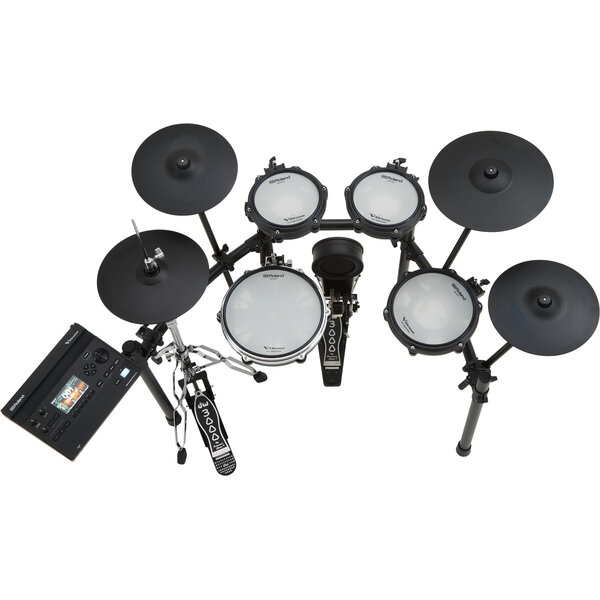
Roland TD313 — Best for a compact V31 setup
The Roland TD313 pairs the V31 with a 12" PDX-12 snare, mesh-head tom pads, KD-10 kick and compact CY-5/FD-9 hi-hat system. It is a substantial step beyond a beginner kit while keeping the footprint controlled. The main compromise is that the hi-hat still behaves like a compact electronic setup rather than moving on a conventional stand.
Roland TD316 — Best all-round 3 Series
The TD316 keeps the V31 but moves to the more advanced PD-12P snare, adds a second crash and, crucially, uses a VH-10 hi-hat on a conventional stand. That last change has a bigger effect than it might appear to on paper: openings, foot splashes and the physical motion under your left foot all feel more familiar to an acoustic drummer, and also enables beginner drummers to learn proper hi hat foot technique.
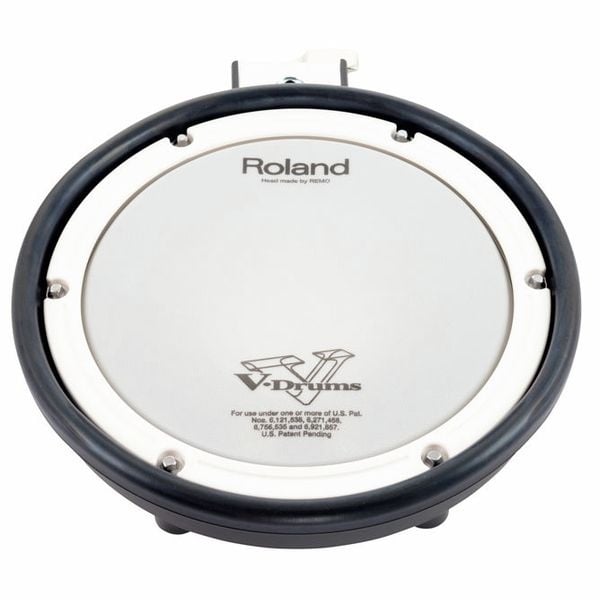
Roland VAD316 — Best for an acoustic-style layout
The Roland VAD316 uses the same V31 generation but takes a completely different physical approach. Shallow wood-shell toms, a 12" snare, full-size 18" kick and freestanding hardware create a more acoustic-style playing position and stage appearance. It is not automatically better than the TD316; it is the version to choose when familiar proportions and visual presence are worth the extra footprint.
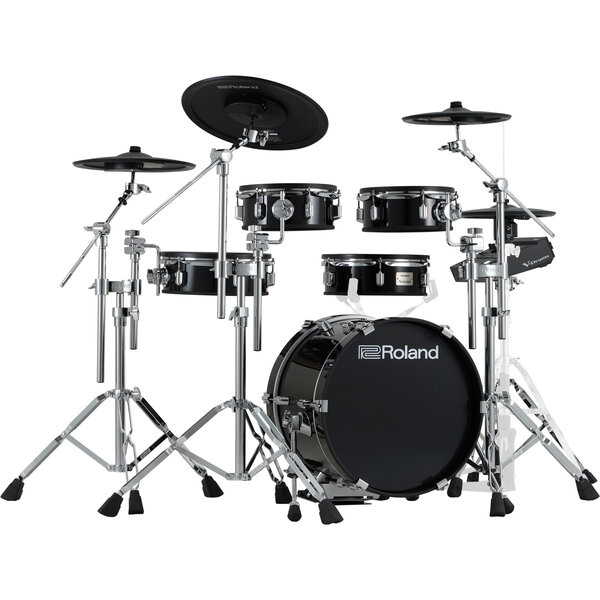
Roland VQD106 Quiet Design — Best for low-noise home practice
The Roland VQD106 sits slightly outside Roland's normal midrange progression because it is designed around a different priority. Rather than concentrating the upgrade on larger shells or deeper module features, the Quiet Design concept is engineered specifically to reduce the physical noise and vibration created when you play.
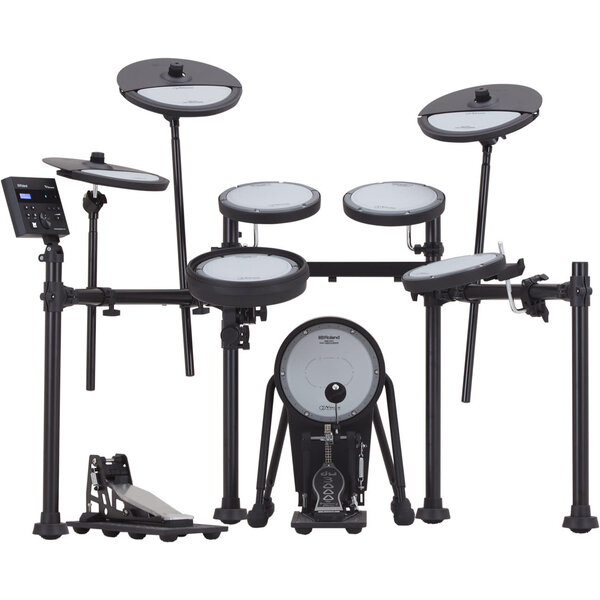
Roland states that the complete VQD106 system can reduce playing noise by up to 75% compared with a conventional V-Drums kit. Specially designed mesh-head pads, quieter cymbals, an isolated kick system, quiet beater and dedicated pedal-isolation bases all work together, making it especially relevant for flats, shared homes and upstairs practice rooms.
The trade-off is equally important: the VQD106 uses the TD-07 module, so this is not the Roland option to choose if your priority is the newer V31 platform or the strongest digital-pad upgrade path. If keeping disturbance to other people to a minimum matters more than module depth, the VQD106 offers something genuinely different within this price bracket. Roland also offers the VQD106PADS for drummers who want the Quiet Design hardware without the supplied TD-07 module.
EFNOTE Mini and EFNOTE 3X
EFNOTE takes a noticeably different route through the midrange. Large cymbals, familiar proportions, natural sampled sounds and simple touchscreen control are central to the experience, rather than trying to win purely through the deepest module menus.
EFNOTE Mini — Best for small rooms without a small-kit feel
The EFNOTE Mini combines real birch shells with a remarkably compact footprint. Its 12" two-piece hi-hat and 16" ride are generous for a kit of this size, while the touchscreen module keeps operation deliberately straightforward.
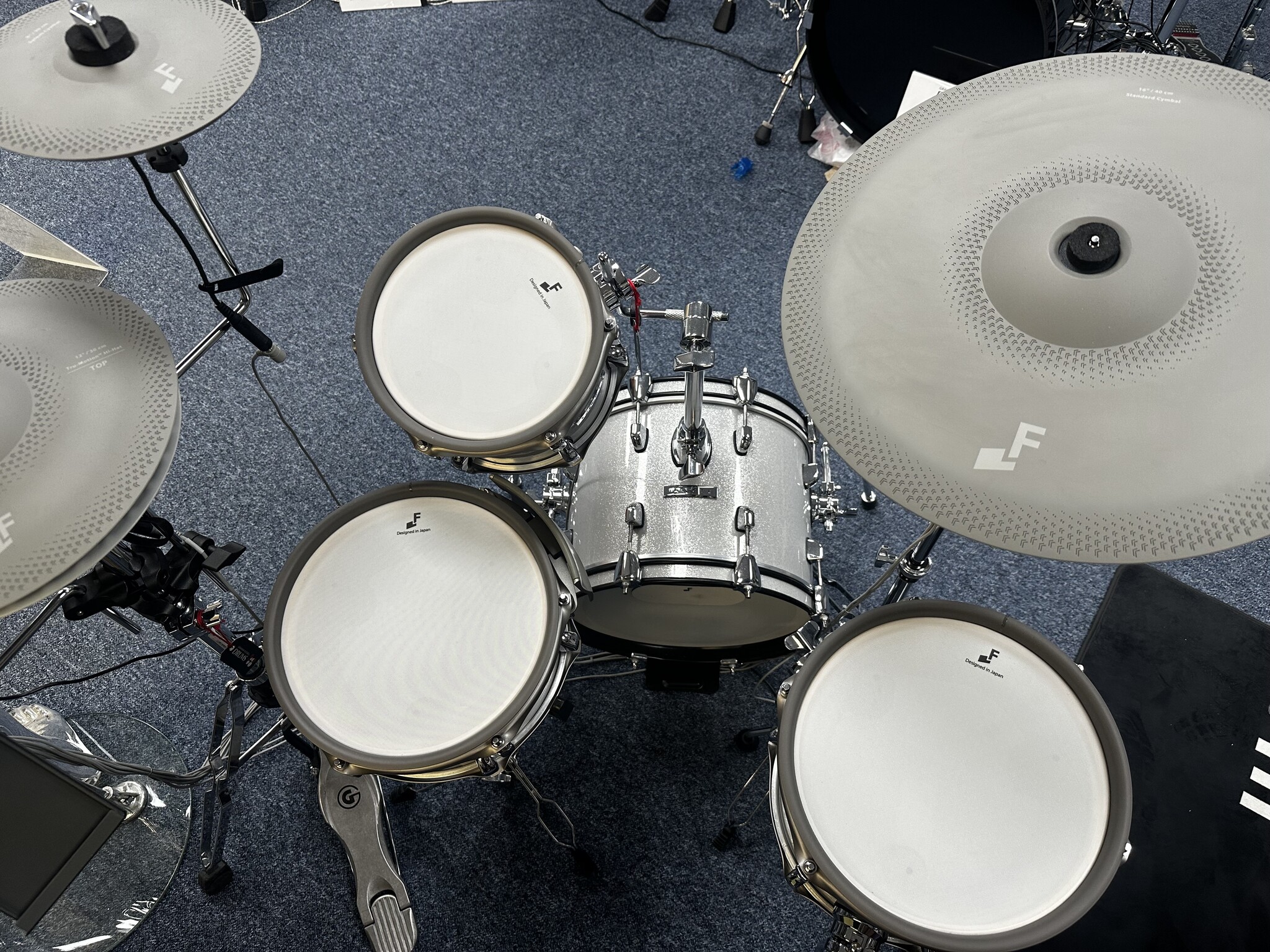
We have spent proper playing time with the Mini in the GRD showroom, and its cymbals are one of the standout parts of the kit. The 16" ride in particular feels far less restrictive than the small ride pads found on many compact e-kits. The overall playing position feels natural despite the Mini's small footprint, and the touchscreen module is refreshingly quick to navigate.
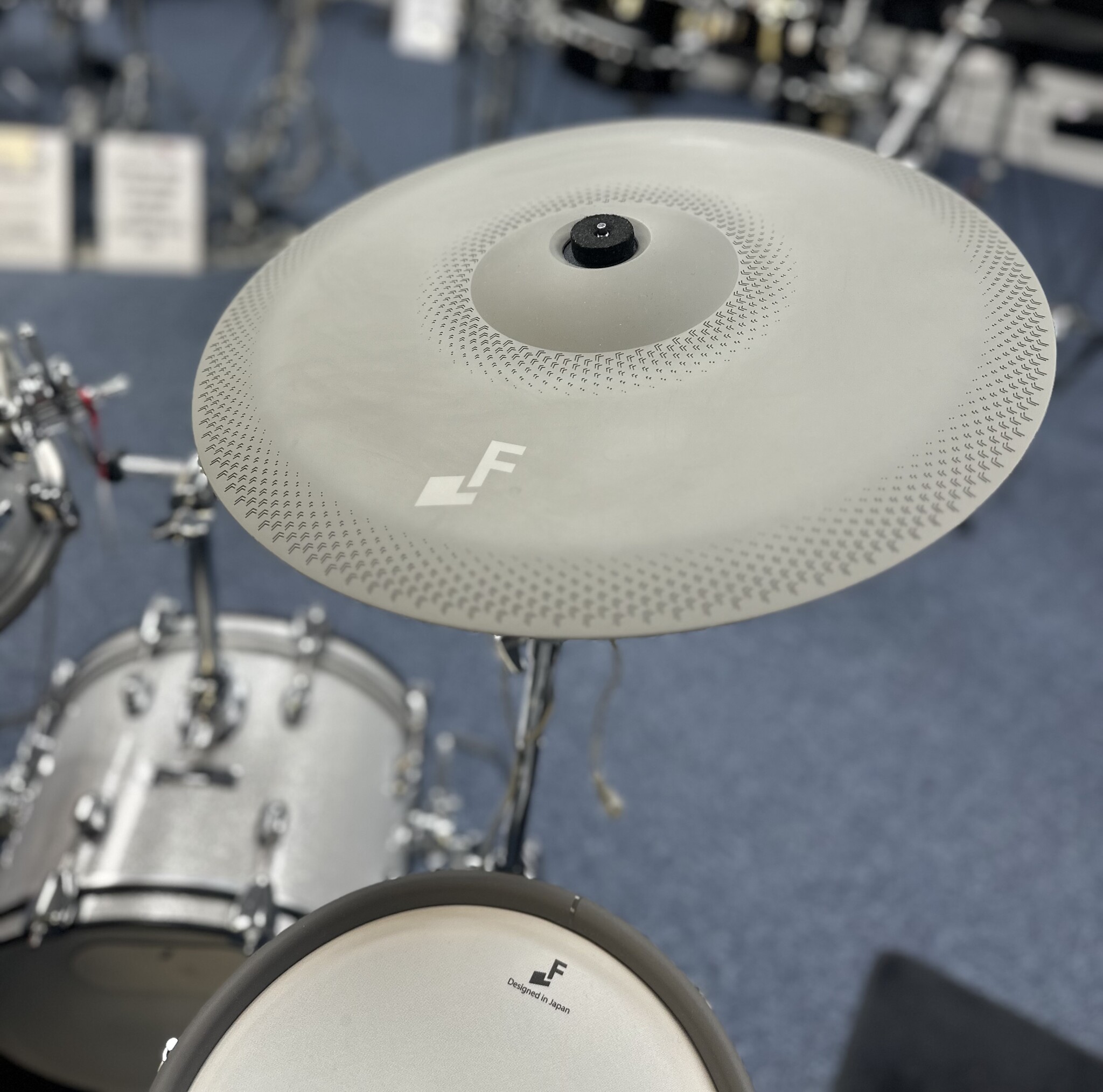
For more detail on the kit itself, read our hands-on EFNOTE Mini showroom feature.
EFNOTE 3X — Best for an expansive playing setup
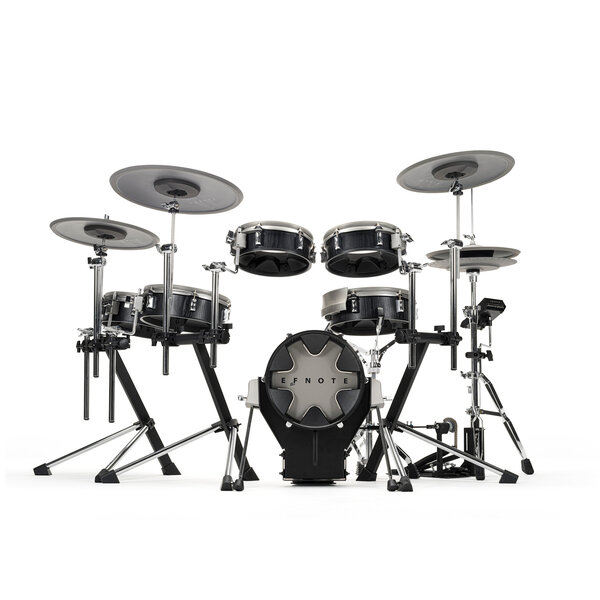
The EFNOTE 3X takes the same philosophy and makes it considerably more expansive. A 12" snare, four toms, 12" kick, 14" two-piece hi-hat, twin 16" crashes and 18" ride give you a lot of physical instrument to play, while the independent stands allow a more open layout than a conventional central rack.
Yamaha DTX6K5-M vs Roland TD316 vs EFNOTE 3X: Which Is Right for You?
These three kits make a useful comparison because each brand spends its budget differently. The right choice depends less on raw feature count and more on which part of the playing experience you want to prioritise.
On a phone, swipe across the table to compare all three kits.
| Comparison | Yamaha DTX6K5-M | Roland TD316 | EFNOTE 3X |
|---|---|---|---|
| Main playing feel | Large full-mesh drum surfaces. | Compact mesh V-Drums setup with an advanced snare. | Large pads and cymbals with a more open acoustic-style layout. |
| Hi-hat | 13" RHH135 on a conventional stand. | VH-10 on a conventional stand. | 14" two-piece hi-hat. |
| Module character | DTX-PRO with acoustic-focused sounds and fast physical editing controls. | V31 with deep editing, modern connectivity and digital-pad upgrade potential. | Simple touchscreen workflow with natural acoustic samples. |
| Biggest strength | Spacious mesh setup paired with DTX-PRO. | Strong balance of triggering, module depth and compact size. | Generous cymbal sizes and an open, acoustic-style layout. |
| Main trade-off | Its larger full-mesh layout needs more room, and it is not the DTX6 to choose if Yamaha TCS is the feel you prefer. | It remains a compact rack-style kit with conventional analogue hi-hat and cymbal pads rather than the digital-pad package found higher in the Roland range. | The open layout and individual stands take more floor space, while the module is deliberately simpler than the deepest Yamaha or Roland editing platforms. |
| Choose it if... | You want Yamaha sounds and workflow but prefer larger mesh heads. | You want a refined compact all-rounder with a strong upgrade path. | Physical size, cymbal feel and flexible positioning matter most. |
Our takeaway: choose the DTX6K5-M for Yamaha's workflow with larger mesh pads, the TD316 for the most balanced compact package, or the EFNOTE 3X when cymbal size and physical layout are the priority. This is exactly the point where trying the kits becomes more useful than comparing feature counts.
Stepping Up: Yamaha DTX8, Roland 5 Series and EFNOTE 5
Yamaha DTX8 Series
The DTX8 is where Yamaha's electronic range begins to feel much closer to the company's acoustic drums. Real birch shells, larger pads and a more substantial physical presence make it a clear step beyond a compact rack kit, while the DTX-PRO module keeps the same immediate workflow found in the DTX6.
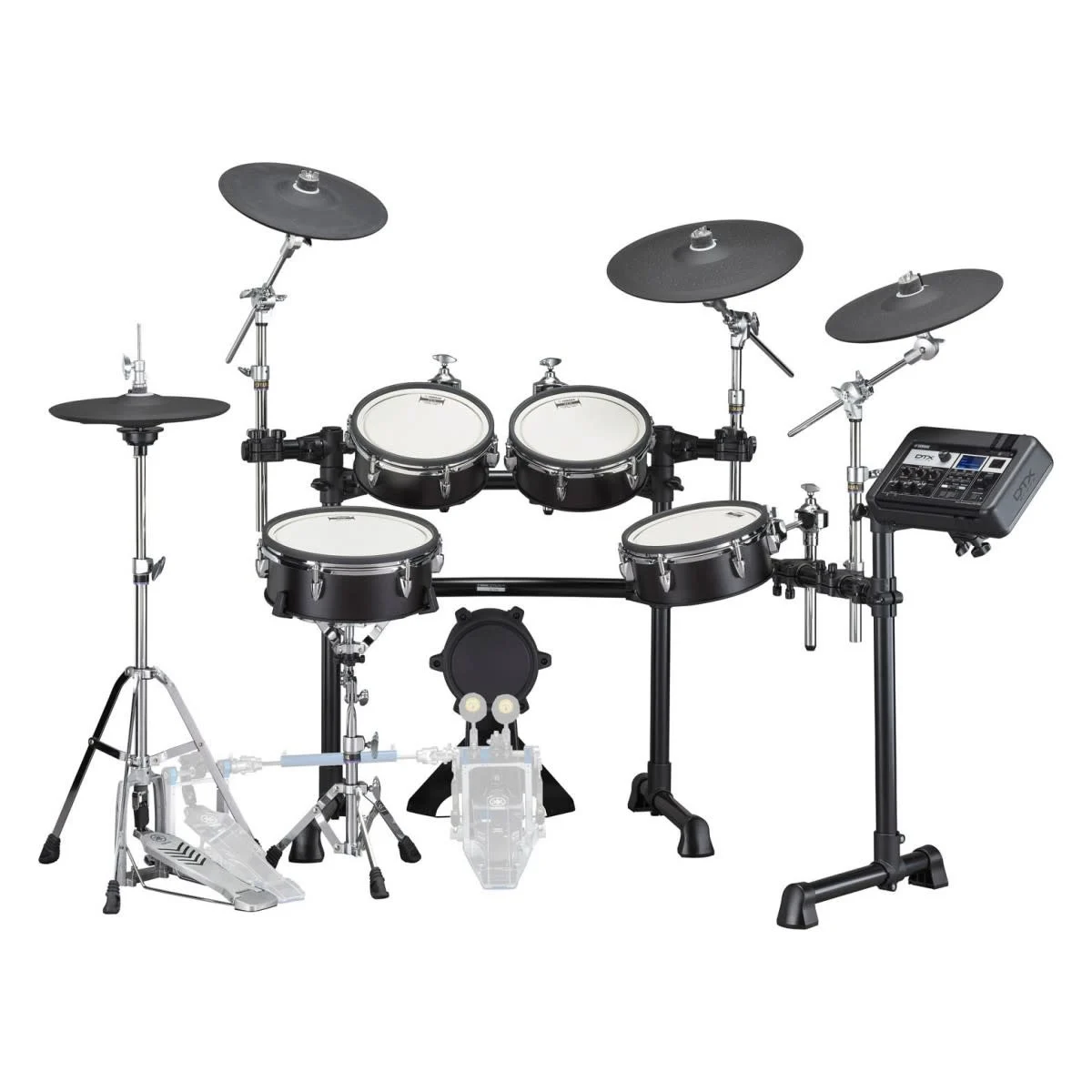
The DTX8K-M uses two-ply Remo mesh heads, while the DTX8K-X uses Yamaha TCS. The underlying concept is closely related, so the decision is largely about what you want to feel beneath the sticks.
Mesh vs Yamaha TCS
Mesh is tension-adjustable and familiar to many electronic drummers. TCS feels softer and denser, with a more controlled rebound and less of the springiness associated with tightly tensioned mesh. Neither is automatically more realistic; this is one of the clearest examples in the guide of a specification that really needs to be felt.
If you are considering a DTX8, try both head types if you can. The version that feels right under your hands matters more than which material sounds more premium on paper.
Roland 5 Series
The Roland 5 Series introduces the V51 module, which uses the same core sound-engine architecture as the flagship V71 platform and adds full support for Roland's digital pads. The two rack-style kits here are the TD513 and TD516.
Roland TD513 — Best route into the V51 platform
The TD513 gives you the V51 without immediately paying for Roland's full supplied digital-pad package. Its PD-12P snare, mesh toms, VH-10 hi-hat and conventional cymbals form a very capable kit, while the module leaves a clear upgrade path if you want to add compatible digital pads later.
Roland TD516 — Best for digital-pad feel
The TD516 keeps the V51 module but upgrades the three interaction points that matter most: a digital snare, VH-14D digital hi-hat and CY-18DR digital ride. Those components send much more detailed playing information to the module than conventional analogue pads, which is the defining reason to step up from the TD513.
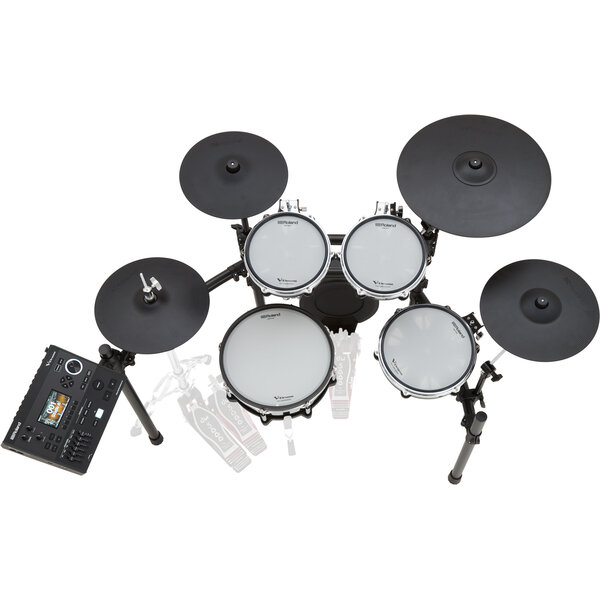
The TD516's digital pads feel incredible to play. This is one of those upgrades that makes much more sense from behind the kit than it does in a specification list: the snare, hi-hat and ride feel less like surfaces you have to aim at and more like instruments you can play across. For us, that is the clearest reason to stretch from the TD513 to the TD516.
EFNOTE 5
EFNOTE 5 — Best for acoustic-kit familiarity
The EFNOTE 5 pushes the brand's acoustic-first philosophy further. A 16" mesh-head kick, 12" snare, acoustic-style tom shells, 14" two-piece hi-hat, 16" crash and 18" ride create a setup that looks and feels far removed from a small practice rack.
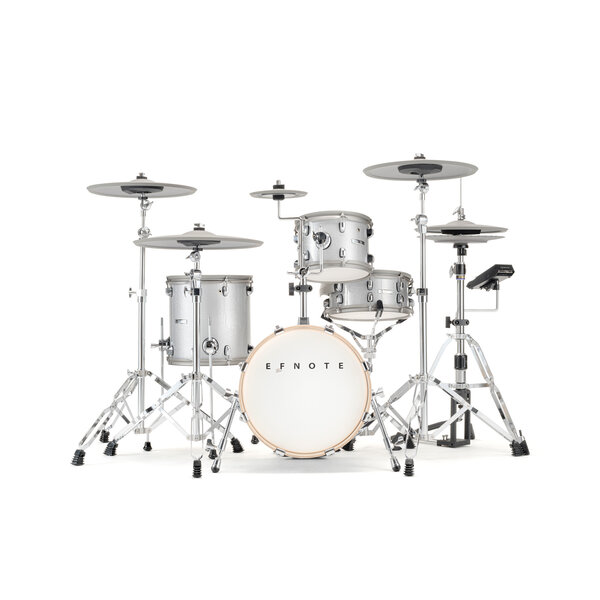
EFNOTE does not try to win this comparison by giving you the most complicated module. Its touchscreen system remains deliberately direct, with natural recorded drum and cymbal sounds and a quick workflow. The 3X actually gives you more toms and cymbals; the 5 puts more emphasis on shell construction, acoustic-style presentation and the experience of sitting behind the instrument.
Yamaha DTX8 vs Roland TD516 vs EFNOTE 5: Which Is Right for You?
At this point, choosing the best kit becomes almost entirely about priorities. The DTX8, TD516 and EFNOTE 5 are all serious instruments, but they make their strongest case in different areas.
On a phone, swipe across the table to compare all three kits.
| Comparison | Yamaha DTX8 | Roland TD516 | EFNOTE 5 |
|---|---|---|---|
| Pad philosophy | Birch-shell pads with a choice of mesh or Yamaha TCS. | Mesh drums with advanced digital snare, hi-hat and ride. | Mesh heads on acoustic-style shells with large cymbals. |
| Module | DTX-PRO: fast tactile editing and acoustic-focused sampled sounds. | V51: deep editing, connected expansion and full digital-pad integration. | Touchscreen EFNOTE module: simple workflow and natural sampled sounds. |
| Physical feel | Substantial drums with Yamaha acoustic-shell influence. | Rack format with exceptional response at the key playing points. | The most traditionally acoustic-looking and freely positioned of the three. |
| Best reason to choose it | You want Yamaha's sounds, build and a genuine mesh-or-TCS choice. | You want the most sophisticated supplied snare, hi-hat and ride interaction here. | You want an e-kit that visually and physically behaves like a compact acoustic set. |
| Main consideration | You need to decide which head material genuinely suits you. | Its premium is concentrated in triggering technology rather than full acoustic shells. | Its simpler module may not suit players who want extremely deep sound design. |
If snare, hi-hat and ride response are your priority, the TD516 is extremely difficult to ignore. Choose the DTX8 if Yamaha's acoustic-inspired build and mesh/TCS choice appeal most, or the EFNOTE 5 if you want the transition from an acoustic kit to feel as physically familiar as possible.
Which Midrange Electronic Drum Kit Should You Buy?
There is no single model we would recommend to every drummer. Start with the part of the playing experience you care about most:
- Best compact all-rounder: the Roland TD316. If Yamaha's DTX-PRO module is your priority, also consider the DTX6K-X.
- Best Yamaha TCS options: DTX6K3-X for a compact setup, or DTX8K-X for larger birch-shell pads and a more substantial layout.
- Best full-mesh Yamaha options: DTX6K5-M for value and larger pads, or DTX8K-M if you want the more acoustic-inspired build.
- Best for a small room with acoustic styling: the EFNOTE Mini.
- Best for an expansive physical setup: the EFNOTE 3X, with four toms and large cymbals.
- Best digital-pad experience in this guide: the Roland TD516.
- Best for low-noise home practice: the Roland VQD106.
- Best options for acoustic drummers: compare the EFNOTE 5, Yamaha DTX8 and Roland VAD316 according to shell layout, pad feel and module preference.
Before You Buy: Hardware, Space and Trying In Store
Check what hardware is included
As electronic kits become more realistic, manufacturers increasingly assume that the drummer may already own conventional hardware. Depending on the model, you may need a bass drum pedal, hi-hat stand, snare stand, throne, headphones or monitor. Always check the live GRD product page for the current package contents rather than assuming two similar-looking kits include the same hardware.
Measure the whole playing area, not just the rack
Allow space for the throne, your legs, pedals and any freestanding hi-hat or snare hardware. Acoustic-style kits can occupy considerably more floor space than the shells alone suggest, while a compact rack can still feel cramped if it is pushed too tightly into a corner.
Try the kit before you choose
Electronic drums are unusually difficult to judge from photographs and specifications. You can measure a snare pad and count cymbal zones, but that does not tell you whether you prefer TCS to mesh, whether a hi-hat feels natural under your foot, or whether the rack lets you position the toms where your hands expect them to be.
If you can visit us in Fareham, bring your own sticks and move between the kits. Try quiet ghost notes, rimshots, fast hi-hat openings, ride-bell patterns and your normal kick technique rather than simply playing the loudest preset for thirty seconds. Those small details reveal far more about whether a kit suits you.
Frequently Asked Questions
What is the best midrange electronic drum kit?
There is no single best model for every drummer. The Roland TD516 stands out for its digital snare, hi-hat and ride; the Yamaha DTX8 is an excellent choice if you want Yamaha's acoustic-focused sounds and a choice between mesh and TCS; and the EFNOTE 5 particularly suits acoustic drummers who value large cymbals and a familiar physical layout. Further down the range, the DTX6K5-M, TD316 and EFNOTE 3X offer three strong but very different routes into serious electronic drums, while the Roland VQD106 is the standout if low-noise home practice is the deciding factor.
Is Yamaha or Roland better for electronic drums?
Both make excellent electronic drums. Yamaha's DTX range is particularly strong for acoustic-focused sampled sounds, straightforward physical module controls and its distinctive TCS playing surfaces. Roland places greater emphasis on advanced triggering, deep module integration and digital-pad technology. The better choice depends on which feel and workflow you prefer.
Are EFNOTE electronic drums good?
Yes. EFNOTE takes a different approach from Yamaha and Roland, with a strong emphasis on realistic cymbal sizes, acoustic-style layouts, natural sampled sounds and straightforward touchscreen modules. We have spent time playing the EFNOTE Mini in our showroom and were particularly impressed by its natural layout and cymbal response.
Is mesh or Yamaha TCS better?
Neither is objectively better. Mesh is tension-adjustable and familiar to many electronic drummers, while Yamaha TCS has a softer, denser and more controlled rebound. If you are considering the DTX8K-M and DTX8K-X in particular, we recommend trying both because the feel difference is immediately noticeable.
Do I need a real hi-hat stand for a midrange electronic drum kit?
Not every midrange kit requires one, but many of the more realistic setups use a hi-hat that mounts on a conventional stand. This usually creates a more familiar opening and closing motion for acoustic drummers. Always check whether the hi-hat stand is included with the specific kit before ordering.
Can I record a midrange electronic drum kit into a computer?
Yes. The Yamaha, Roland and EFNOTE modules covered here offer USB connectivity for recording and/or MIDI use, although the exact routing options and number of audio channels vary by module. If multitrack recording is important to you, check the current module specification and your DAW requirements before choosing.
Are midrange electronic drums quiet enough for home practice?
They are much quieter acoustically than conventional drums, but they are not silent. Stick impact, cymbal-pad noise and especially kick-pedal vibration can travel through floors and walls. Anyone practising in a flat or shared building should also think about vibration isolation and where the kit is positioned. If this is your overriding concern, the Roland VQD106 is particularly worth considering because it is specifically designed to reduce both playing noise and floor-borne vibration.
Which electronic drum kit feels most like an acoustic kit?
If physical layout and shell presentation matter most, the EFNOTE 5 and Roland VAD316 are particularly natural choices, while the Yamaha DTX8 also gives you larger birch-shell pads and a more substantial acoustic-inspired setup. The Roland TD516 uses a more compact rack, but its digital snare, hi-hat and ride can feel exceptionally natural in terms of playing response. The best match depends on whether you mean acoustic-style proportions or acoustic-like triggering response.
GRD Final Thoughts
The biggest mistake when shopping for a midrange electronic drum kit is treating the ranges as a simple ladder. The DTX6K5-M, TD316 and EFNOTE 3X can sit in the same conversation while feeling completely different, and the same is true of the DTX8, TD516 and EFNOTE 5. The Roland VQD106 adds another reminder that the right answer is not always "the next model up" but sometimes the kit that solves a specific real-world problem better than anything else. The useful question is not simply "which costs more?" but which upgrade will you actually notice every time you play?
Use the specifications to build a shortlist, then make the final decision with your hands and feet. If you can visit Graham Russell Drums in Fareham, we can help you compare the Yamaha, Roland and EFNOTE ranges in person and work out which compromises genuinely matter for the way you play.
Written by Alex Neave
I've been part of the Graham Russell Drums team since October 2025, but my connection with the shop goes back much further as a customer since 2012. Over the years I've advised drummers of all ages and experience levels, refurbished countless second-hand kits and spent a lot of time helping customers navigate the often overwhelming world of drum gear. Alongside over 13 years of playing experience, that hands-on exposure to thousands of products allows me to write buying guides based on real-world knowledge and practical experience rather than simply repeating manufacturer specifications.












Comments
Be the first to comment...