


Tama Starclassic Drum Kits
In Stock items may be either at the shop or the warehouse.
To view before purchasing, please check the product details to confirm it's in-store.
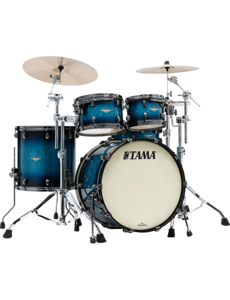
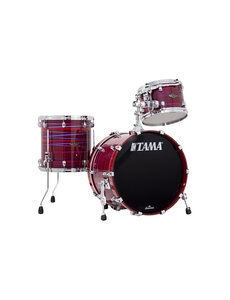
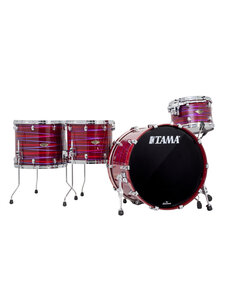
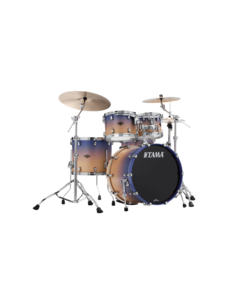
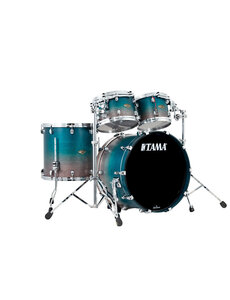
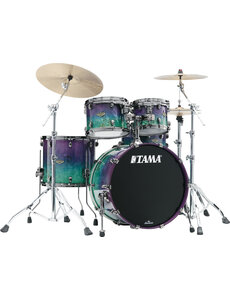
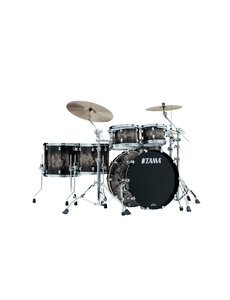
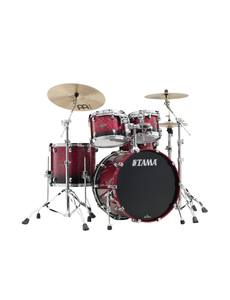
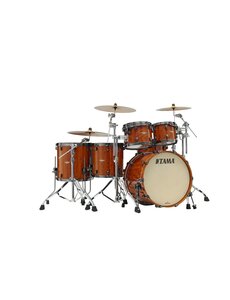
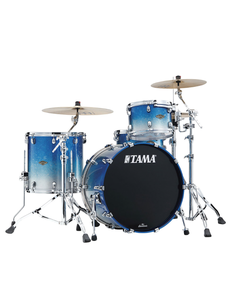
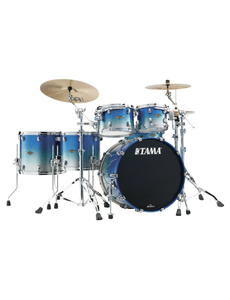
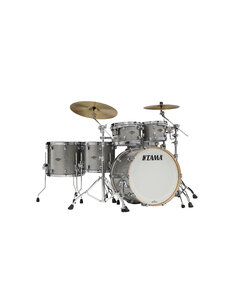
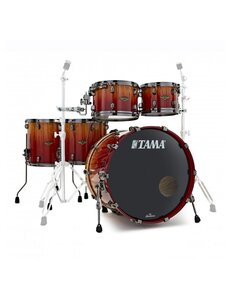
Tama Drum Kits
Tama Starclassic: The Kit That Started The Thin Shell Revolution
The Tama Starclassic arrived in 1994 and changed what a professional drum kit was expected to be. Tama’s own description of it is the kit that ignited the thin shell revolution, and that is not retrospective marketing: thin, resonant shells with die-cast hoops and a mount that holds the drum by its hoop rather than its shell is now simply how high-end kits are built, and a great deal of that started here. Thirty years on it is still the series most people picture when they picture Tama. If you are looking at a maple drum kit, a walnut drum kit or a professional Tama kit, this is where most people end up.
There are two woods to choose between, and they are not better and worse versions of each other, they are two different instruments at much the same money. Everything we have is set up and playable in our 5,000 square foot Fareham showroom, which is the only sensible way to settle it.
Introduced
1994
And still the series people picture
Maple toms
5 mm
6 ply, all maple
Walnut/Birch toms
6 mm
Birch outside, walnut core
Bearing edge
2.5 mm
Set in from the outer surface
Shell and build: what is common to both woods
Whichever wood you choose, the engineering around it is the same, and it is the part that made the series famous. Thin shells, because a thin shell moves more freely and gives you more of the wood and less of the structure. Die-cast hoops, which clamp the head evenly and keep everything focused. And the Star-Cast mount, which carries the tom from its hoop rather than bolting a bracket to the shell, so the drum is free to ring underneath.
The bearing edge is worth a line of its own. Tama set the angle of the top edge 2.5 mm inside the outer surface of the shell and cut it to a round collar that follows the natural shape of the head. It is a gentler edge than a sharp 45, and it is a large part of why a Starclassic sounds warm rather than clinical despite how thin the shell is.
-
Zinc die-cast hoops, poured as one dense piece rather than stamped and bent, for a crisper attack, a more focused note and rim shots with real crack to them.
-
Star-Cast mounting, now in aluminium, which Tama say gives lighter weight and truer tonal vibration than the previous casting.
-
Quick-Lock tom brackets, which split in two with a sliding switch so the memory-lock half stays behind on the stand or the floor tom leg. Your positions survive the pack-down, and the rubber lining isolates the drum a little further. This is one of the things the Starclassic Performer does without.
-
Swivel-Wing tom holder using an omni-ball system, with 100 mm of travel along an arc so you can get a tom exactly where you want it rather than close to it.
-
Bass drum claw hooks with rubber spacers, a small thing that stops the claws chewing the wood hoops, which matters a lot more on a lacquered kit than people expect.
Choose your wood
This is the real decision, and it is not a budget one. The two woods cost much the same and sound properly different from one another.
Warm, Open, Even
Starclassic Maple
Toms6 ply, 5 mm, all maple
Bass8 ply, 7 mm, all maple
ExoticsAdd an outer ply of movingui or pacific walnut
SizesOver 30 shell sizes, including Hyper-Drive depths
The versatile one. Warm, open and even from top to bottom, with a long note and plenty of bloom, and it will suit almost any music you point it at. If you are not sure which wood you want, this is the safer answer and the one more people end up keeping.
Dark, Dry, Thunderous
Starclassic Walnut/Birch
Toms6 mm, 4 plies birch with 2 inner plies American black walnut
Bass8 mm, 5 plies birch with 2 inner plies American black walnut
SnareSame shell as the toms, 6 mm
FinishesNine lacquers and six Duracover wraps
Birch on the outside for attack and projection, walnut inside for weight and darkness. Drier than the maple, with less ring and a fatter low end, which is exactly what a lot of engineers want in front of a microphone. Tama’s own phrase for it is uniquely clear and thunderous, and that is a fair description.
What about Starclassic Bubinga?
Bubinga was a third Starclassic wood and it is no longer part of the current range: Tama now list the Starclassic as Maple and Walnut/Birch only. It was the dense, powerful one, and it still has a following. If we have one in stock it will be here on this page, and it is worth knowing you are looking at the end of a line rather than something you can order again. If bubinga specifically is what you are after, the Star still offers it, built on a thinner shell with Sound Focus Rings.
Shell packs and sizes
Tama build the Starclassic Maple in more than thirty different shell sizes, so a kit can be specified properly rather than picked off a shelf. Most people start from one of the standard packs and adjust from there.
Three Piece
22″ x 14″ bass drum
12″ x 8″ tom
16″ x 16″ floor tom
Four Piece
22″ x 16″ bass drum
10″ x 8″ and 12″ x 9″ toms
16″ x 14″ floor tom
Five Piece
22″ x 16″ bass drum
10″ x 8″ and 12″ x 9″ toms
14″ x 12″ and 16″ x 14″ floor toms
Hyper-Drive, if you want shallower toms
The Maple is also offered in Hyper-Drive depths: 10″ x 6.5″, 12″ x 7″ and 13″ x 7.5″. Shallower shells speak faster and sit higher in pitch, which suits quick playing and heavier music. Worth hearing against the standard depths rather than assuming. Call 01329 834012 or email [email protected] and we will spec it with you.
Starclassic finishes
One of the widest finish ranges of any professional kit, and it differs by wood. Lacquers, exotic outer plies, Duracover wraps and more besides, in chrome, black nickel or smoked black nickel hardware.
Maple
Lacquer: Piano Black, Piano White, Flat Black, Flat Burgundy Metallic, Dark Mocha Burst, Molten Satin Brown Burst, Molten Electric Blue Burst, Black Clouds & Silver Linings, Satin Aztec Gold Metallic, Silver Snow Racing Stripe, Deeper Purple
Exotic outer ply: Marine Shoreline Movingui Fade, Gloss Natural Movingui, Ruby Pacific Walnut Burst, Emerald Pacific Walnut Burst, Natural Pacific Walnut Burst
Duracover wrap: Red Oyster, Charcoal Swirl, Sky Blue Swirl, Turquoise Pearl
Walnut/Birch
Lacquer: Piano Black, Molten Platinum Burst, Molten Brown Burst, Molten Blue Ice Fade, Lacquer Phantasm Oyster, Lacquer Shamrock Oyster, Lacquer Ocean Blue Ripple, Satin Purple Atmosphere Fade, Satin Sapphire Fade
Duracover wrap: Charcoal Onyx, Vintage Marine Pearl, Turquoise Pearl, Vintage Champagne Sparkle, Garnet Red Sparkle, Smoked Silver Sparkle
Tama also run premium lacquers, unicolor wraps, coverings and oil finishes on this series, and the exact list moves with production. The Fades and the Oysters in particular are worth seeing in daylight, because photographs flatten them. Ask us to check availability on anything specific before you commit.
Where the Starclassic sits in the Tama range
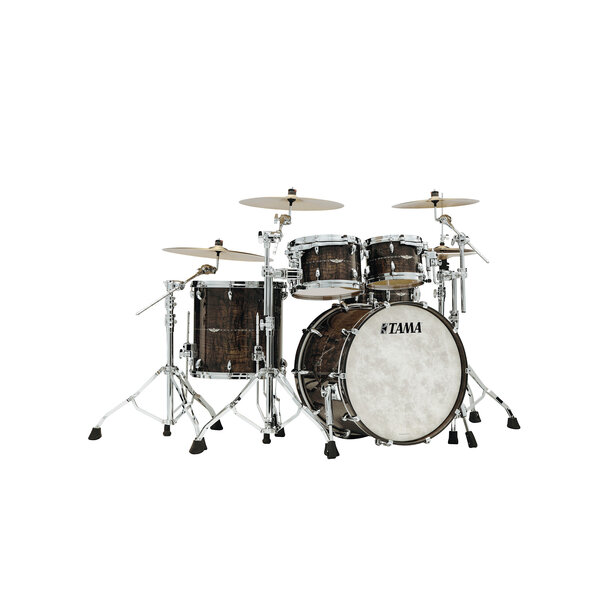
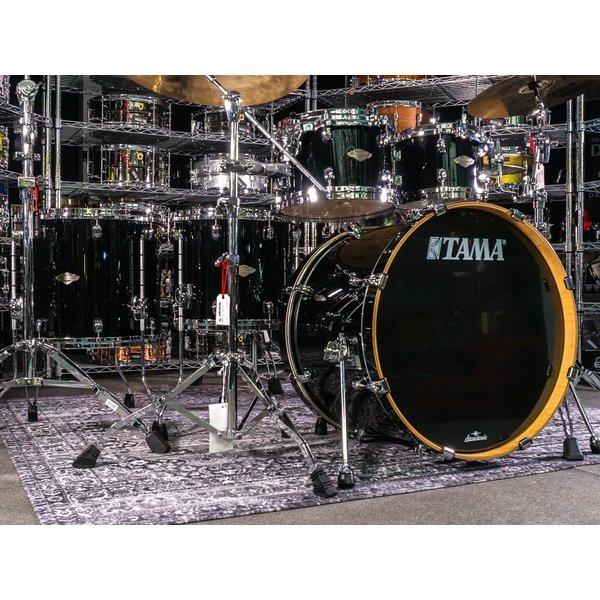
Performer, then Starclassic, then Star. Unlike the wood choice above, this one really is a ladder: what the money buys going up is thinner and more carefully built shells, more hand finishing and, at the top, Japanese manufacture.
Browse wider
See all three families side by side in Tama Drum Kits, the full Professional Drum Kits range from every brand we stock, or everything Tama on our Tama brand page.
Tama Starclassic FAQs
Maple or Walnut/Birch?
Maple if you want warmth, length and evenness, and if the kit has to cover a lot of different music. Walnut/Birch if you want something darker and drier with a fatter low end and less ring, which tends to suit recording and heavier music. A useful way to think about it: the maple flatters the room, the walnut and birch flatters the microphone. They cost much the same, so ignore price here and choose on sound. Ten minutes in the showroom with both will settle it faster than any amount of reading.
Where are Tama Starclassic drums made?
Current Starclassic kits are made in China. The badge on the drum says so, and we would rather tell you here than let you turn the kit round in the showroom and find out. It does not make them lesser instruments. The shell recipes, the die-cast hoops, the Star-Cast mounting and the Quick-Lock brackets are all Tama’s own, and this is still the series that built the company’s reputation with professionals.
There is a wrinkle worth knowing. Older Starclassics were built in Japan, and those are genuinely sought after and getting hard to find. If a Japanese built Starclassic is specifically what you want, that is a second-hand hunt rather than something you can order, and it is worth telling us so we can keep an eye out. If you want current production built in Japan, that is the Star.
Starclassic or Starclassic Performer?
Closer than the price gap suggests, especially against the Walnut/Birch, because the Performer uses the same birch-outside construction with maple inner plies rather than walnut. Both get die-cast hoops and Star-Cast mounting. What the Starclassic adds is the choice of woods, a great deal more finish choice, more hand work, and the Quick-Lock tom brackets that keep your positions when you break the kit down. If you set up several times a week, that last one is worth more than it sounds.
What is an exotic finish, and does it change the sound?
On the Maple, the exotic finishes are not just a different colour: Tama add an extra outer ply of movingui or pacific walnut to the shell, so the drum really is built differently from a lacquer finish. Whether you can hear it is a fair question and opinions differ. What is not in doubt is that the figuring in those woods is the reason people choose them, and it is the sort of thing that looks ordinary in a photograph and remarkable in person.
Can I still get a Starclassic Bubinga?
Not new. Tama’s current Starclassic range is Maple and Walnut/Birch only, so a Starclassic Bubinga is now a second-hand proposition or whatever remains in a shop. If one is listed on this page it is the last of the line rather than something we can reorder. If bubinga is specifically the sound you want, the Star Bubinga is still in production, on a noticeably thinner shell with 9 mm Sound Focus Rings to support it.
Hear It Before You Buy It
Maple against walnut, in one room
The wood is the whole decision here and it cannot be made from a description. Our 5,000 square foot Fareham showroom has them set up and ready to play, so you can hear maple against walnut and birch with the same sticks and the same ears, minutes apart, and then hear both against the Star and the Performer while you are at it. No appointment needed.