


Ultimate Beginners Snare Drum Guide
- Posted on
- By GRD
- Posted in Snare Drums
- 0
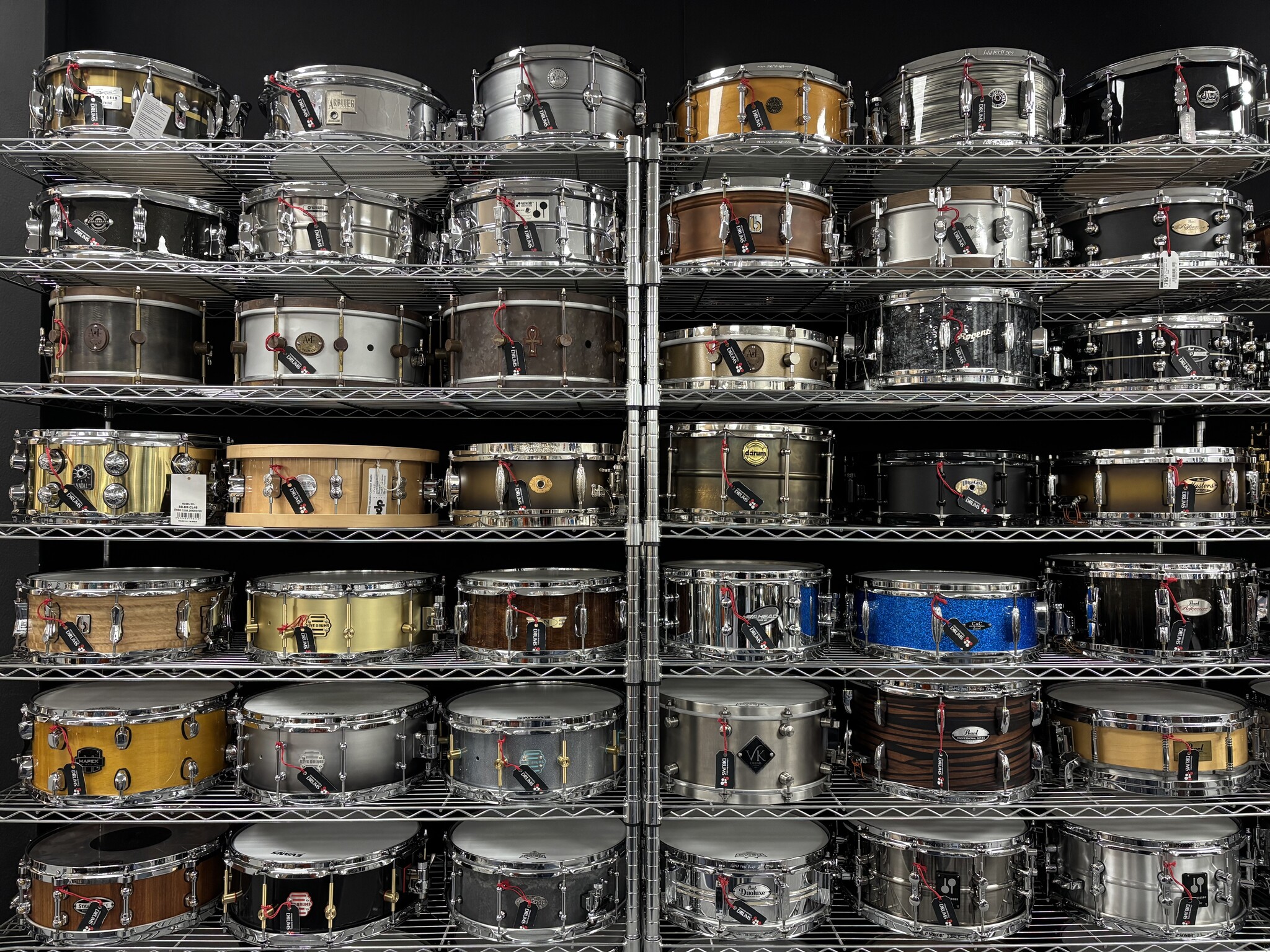
A practical guide of everything to look for when choosing a snare drum.
Beginner Snare Drum Buyer’s Guide
The best way to choose a snare is still to come into the showroom and try a few - there’s no substitute for hearing and feeling the response in front of you. But when that isn’t possible, this guide gives you the same kind of advice we offer in-store: practical, experience-led, and focused on what actually matters. Our team are gigging drummers, teachers, and working musicians, so we’re coming at this from real-world use rather than spec-sheet theory.
We stock hundreds of snare drums—new and second hand—from around £100 for our cheapest used options up to £2,000+ for rare, collectible, or artisan drums. Price isn’t a shortcut to “best.” Expensive snares are the right choice for some players, but they’re not automatically the best value, and they’re not always the best fit for your sound. As a rough guide to new snares, most beginner and midrange snares sit around the £200 mark, while professional-level snares typically start in the £350–£500 range, with many of the most popular pro options landing around £500–£900.
This guide won’t give you a simple “buy this / don’t buy that” list. Instead, it will show you what to look for, why it matters, and how small changes (heads, wires, tuning) can make a huge difference.
Start here: the parts of a snare drum (and what each one does)
Understanding the components makes the buying process far less overwhelming because you’ll know which details change the sound and feel.
-
Shell: The main body (wood, metal, acrylic, etc.). This heavily shapes tone, projection, and character.
-
Bearing edges: The edge where the head meets the shell. Affects sensitivity, sustain, and tuning range.
-
Hoops: The metal rings that hold the heads. The hoop type changes rimshots, tuning stability, and overall tone.
-
Lugs: The fittings that the tension rods thread into. Lug design and lug count influence tuning feel and stability.
-
Tension rods: The “tuning screws” that tighten the head. More rods typically mean finer tuning control.
-
Batter head: The top head you strike. This is one of the biggest contributors to the sound.
-
Resonant head: The thin bottom head. Affects snare response, sensitivity, and “snap.”
-
Snare wires: The wire set underneath. Changes crispness, articulation, and buzz.
-
Throw-off (strainer): The mechanism that engages/disengages the wires. Better strainers feel smoother and hold settings better.
-
Butt plate: The anchor point on the opposite side from the throw-off (holds the wire straps/cord).
If you remember nothing else: shell + heads + hoops + tuning account for most of what you hear. Hoops and shell depth then shape how that sound behaves in the room.
The “most important” decision: size (diameter) and depth
14" is the standard
A 14" snare is the default choice for most drummers, most genres, most gigs, and most recording situations. It’s also the easiest to live with as a first serious snare because it covers the most ground.
You’ll also see 13" and 12" snares, which can be brilliant for specific sounds, but if you want one snare that does “everything,” 14" remains the safe and sensible starting point.
Depth: where feel and character change
Depth is usually described like 14 x 5.5 (14" diameter, 5.5" depth). Depth affects body, sensitivity, and how the drum “speaks.”
Common depth ranges:
-
Shallow / Piccolo (around 3"–4")
Fast response, tight and bright attack, very immediate. Great for sharp pop sounds and high articulation, but often less low-end body.
-
Standard depths (5"–6.5")
This is the “covers everything” territory.-
5"–5.5" often feels crisp, controlled, and versatile.
-
6"–6.5" adds a bit more body and weight without losing too much sensitivity.
-
-
Deep snares (7"–8"+)
More low-mid body, bigger presence, and often a slightly slower, heavier feel. Great for big rock backbeats and fat rimshots, but can be harder to keep ultra-crisp at very low volumes.
A simple way to think of it:
shallower = quicker and tighter
deeper = bigger and weightier
Shell material: the “voice” of the snare
Material is where snares start to feel like different instruments. Below are reliable, real-world tendencies (not rules).
Metal snares
-
Brass
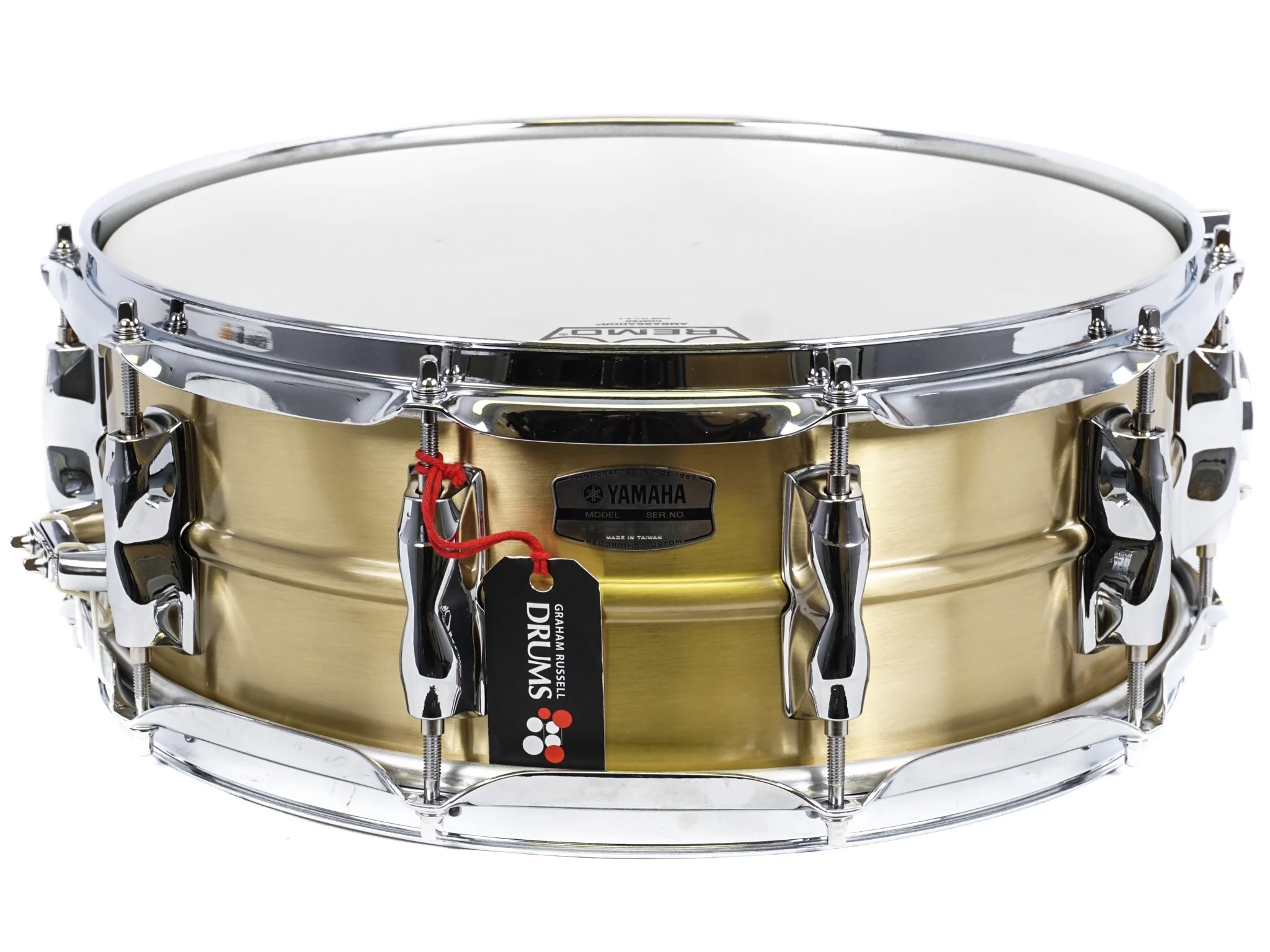
Often described as warm, musical, and lively, with a rich ring and a wide tuning range. Brass can do “classic” snare sounds extremely well.
-
Steel
Typically bright, cutting, and energetic, with a pronounced ring and strong projection. Steel is great when you need the snare to speak clearly through guitars and loud stages.
-
Aluminium
Commonly drier, more controlled, and slightly “softer” in the ring compared to steel. Aluminium can feel very studio-friendly—articulate without being overly spiky.
Wood snares
-
Wood in general
Usually warmer and rounder, with a more “natural” note and less metallic edge. Wood often sits beautifully in recordings and in mixed-volume gigs.
-
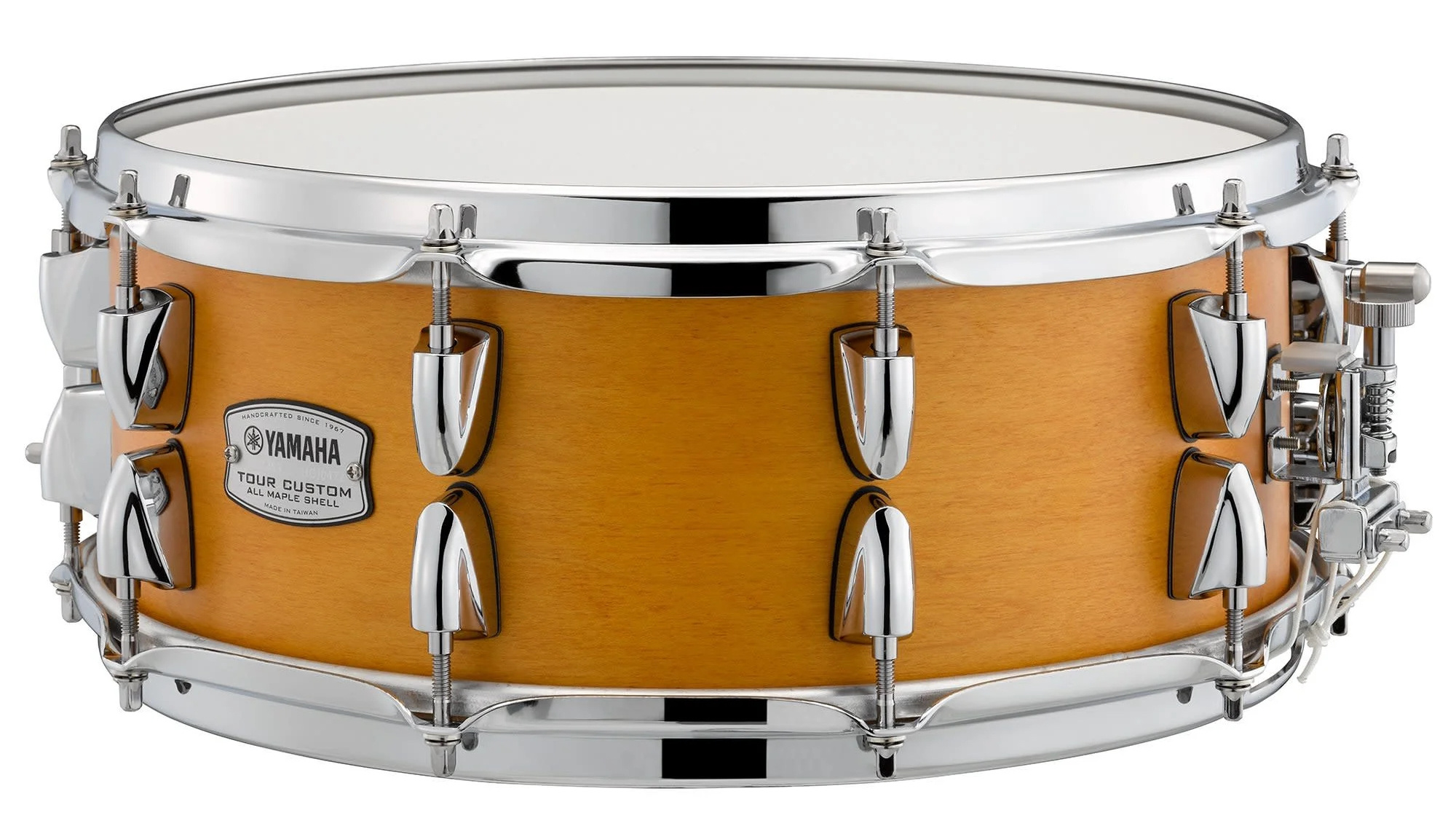
Maple
A classic all-rounder: balanced, open, and familiar, often associated with that “prime recording” sound. Maple tends to have an even frequency spread and a forgiving tuning range.
-
Birch
Often a touch more focused and punchy, with strong attack and a slightly tighter low end than maple. Birch can feel very precise and direct—great when you want definition.
-
Other common types of wood
-
Mahogany: warm, rounded and “vintage-leaning,” with a softer top end.
-
Walnut: darker and punchy, with a strong low-mid presence and controlled highs.
-
Beech: A warm, well-balanced sound that stays tightly focused, with clear, pronounced highs and mids complemented by a powerful, punchy low end.
-
Oak: very loud and powerful, with strong attack and a pronounced low end.
-
Poplar: warm and straightforward, often seen in vintage American and budget-friendly shells with a softer attack.
-
Bubinga: dense and deep, with lots of low end and a thick, authoritative note.
-
Ash: punchy and dry-ish, with strong attack and a controlled sustain.
-
Cherry: warm, punchy, and bright tone with enhanced, focused mids and boosted high frequencies.
-
Acrylic and thicker specialty shells
-
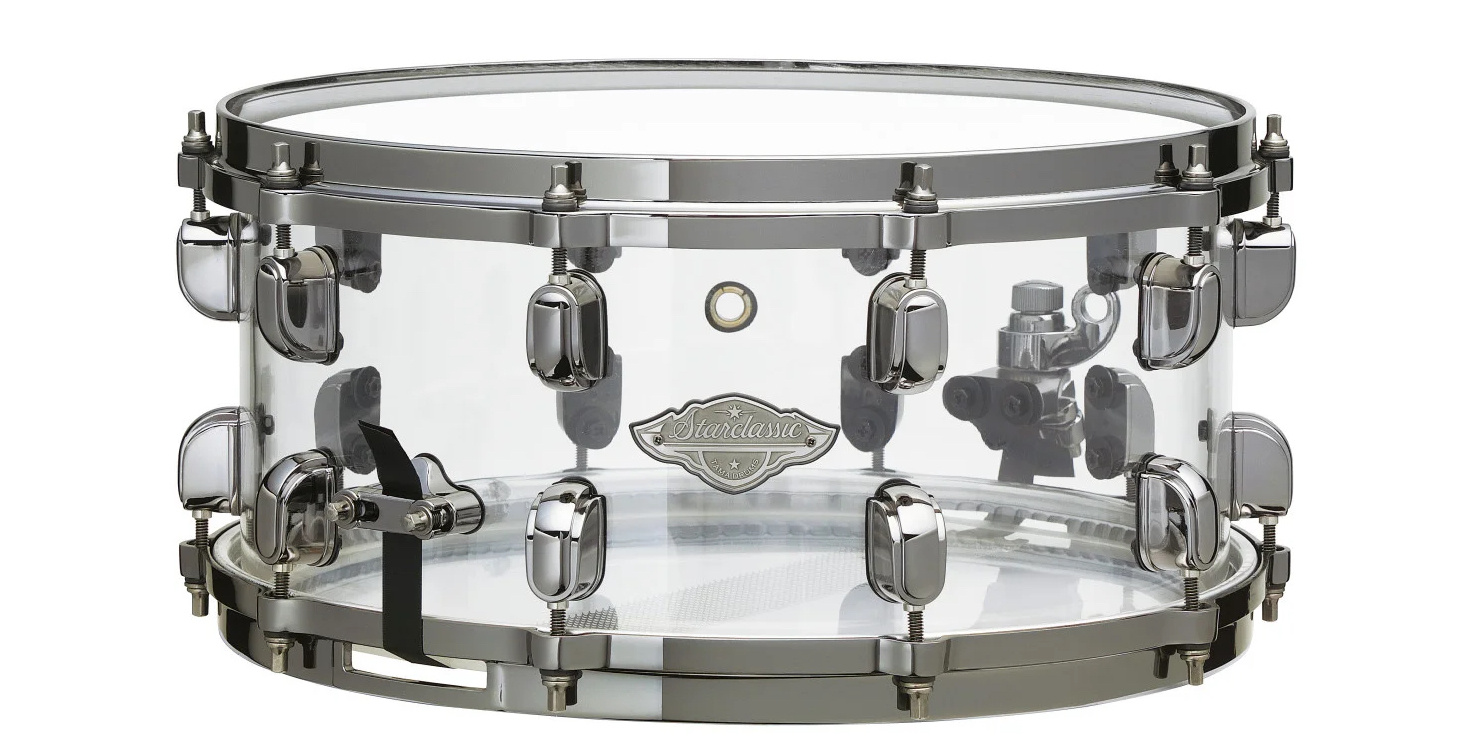
Acrylic
Typically very loud, very present, and can come across harder and more aggressive. It can be the right tool when you want maximum impact, but it’s not always the easiest “first upgrade” choice for everyone.
-
Stave / thick multi-ply shells / Cast Metal
These can be dense, loud, and powerful, often with strong projection and a very solid fundamental note. They can sound huge, but they’re more “distinctive flavour” than “one snare for everything.”
Hoops: triple-flanged vs die-cast (and why you’ll feel it immediately)
This is one of the most overlooked choices, and it makes a bigger difference than many beginners expect.
-
Triple-flanged hoops
Generally more open and resonant, with a bit more ring and “air.” Rimshots feel lively. Tuning can be slightly more forgiving. Great for versatile, classic snare behaviour.
-
Die-cast hoops
Usually more focused, controlled, and punchy, with a tighter note and often less overtone spread. Rimshots can feel more solid and authoritative. Many drummers like die-cast for tighter modern backbeats and consistent articulation.
Neither is “better” - it’s a preference and a use to case decision.
Other specs worth knowing (without getting lost in them)
-
Lug count / tension rods: More lugs can mean finer tuning increments; fewer lugs can feel quicker and more “vibey.”
-
Strainer quality (throw-off): A smoother, sturdier strainer is easier to set and stays where you put it.
-
Snare beds: Subtle shell shaping that helps the wires sit correctly; affects sensitivity and buzz behaviour.
-
Bearing edges: Sharper edges (more common on modern drums) tend to feel more sensitive and brighter; rounder edges (often on vintage and vintage-style drums) usually sound warmer and thicker.
If you’re buying your first upgrade, do not over-optimise these details. Start with size/depth/material/hoops, then refine.
Matching snare sounds to styles (guidelines, not rules)
There are no strict rules here—personal preference is always part of it. But these are sensible starting points:
-
Rock / Metal: deeper 14" snares, steel or brass for cut, die-cast hoops for focus (often).
-
Pop / Function / Covers: versatile 14 x 5.5 or 14 x 6.5 in wood or brass; easy to tune to the room.
-
Funk / Gospel / Precision styles: sensitivity matters—aluminium or responsive wood shells; hoop choice depends on how controlled you want it.
-
Quiet gigs / practice / controlled studio: aluminium or wood with sensible head choices; avoid over-bright setups if the room is harsh.
The key idea: choose a snare that fits your reality - volume level, venues, and the music you actually play most often.
The best value upgrade: heads, wires, and tuning
A lot of the “I need a new snare” feeling is really:
old head + tired wires + poor tuning + unfamiliar drum.
Before (or alongside) buying a new snare, the smartest move is often:
1) Upgrade the batter head
This changes feel and tone immediately—more than most hardware changes ever will.
2) Replace snare wires
Fresh wires can give you cleaner articulation, better response at low dynamics, and less uncontrolled buzz.
3) Make sure the resonant head is healthy
The bottom head is crucial for snare response. If it’s worn or dented, the drum will never feel “right.”
4) Tune it properly
A well-tuned mid-priced snare often outperforms an expensive snare that isn’t dialled in.
In-store service note: we can change heads and snare wires and tune the drum for you—either on a new purchase or on an existing snare you already own.
A practical path if you’re upgrading from a starter-kit snare
If your current snare feels boxy, weak, or uncontrollable, these are common “next step” directions:
-
Want more crack and cut? Look at steel (and consider die-cast hoops if you want extra focus).
-
Want warmer, more musical ring? Look at brass.
-
Want dry, controlled articulation? Look at aluminium.
-
Want rounded, versatile all-round sound? Look at maple or birch.
-
Want a bigger backbeat and body? Consider 6.5" depth (or deeper if you specifically want that feel).
At Graham Russell Drums, our philosophy is simple: you learn more in five minutes actually playing a snare than you do in hours of reading specs and watching videos. A snare drum is as much about feel as it is about sound. How it feels and sounds to you is more important than any of the specs we have gone over here!
That’s why we have a dedicated drum showroom where you can sit down and play a proper selection of snares side by side. This guide will help you understand what you’re hearing and narrow your options, but if you can make it in, the best next step is to come into the shop and hit some drums for yourself. Our team will happily guide you through the differences, and we can also swap heads and snare wires, and tune the drum to a professional standard.












Comments
Be the first to comment...