


Yamaha Recording Custom Drum Kits
In Stock items may be either at the shop or the warehouse.
To view before purchasing, please check the product details to confirm it's in-store.


Yamaha Drum Kits
Yamaha Recording Custom: The Birch Kit That Built The Studio Sound
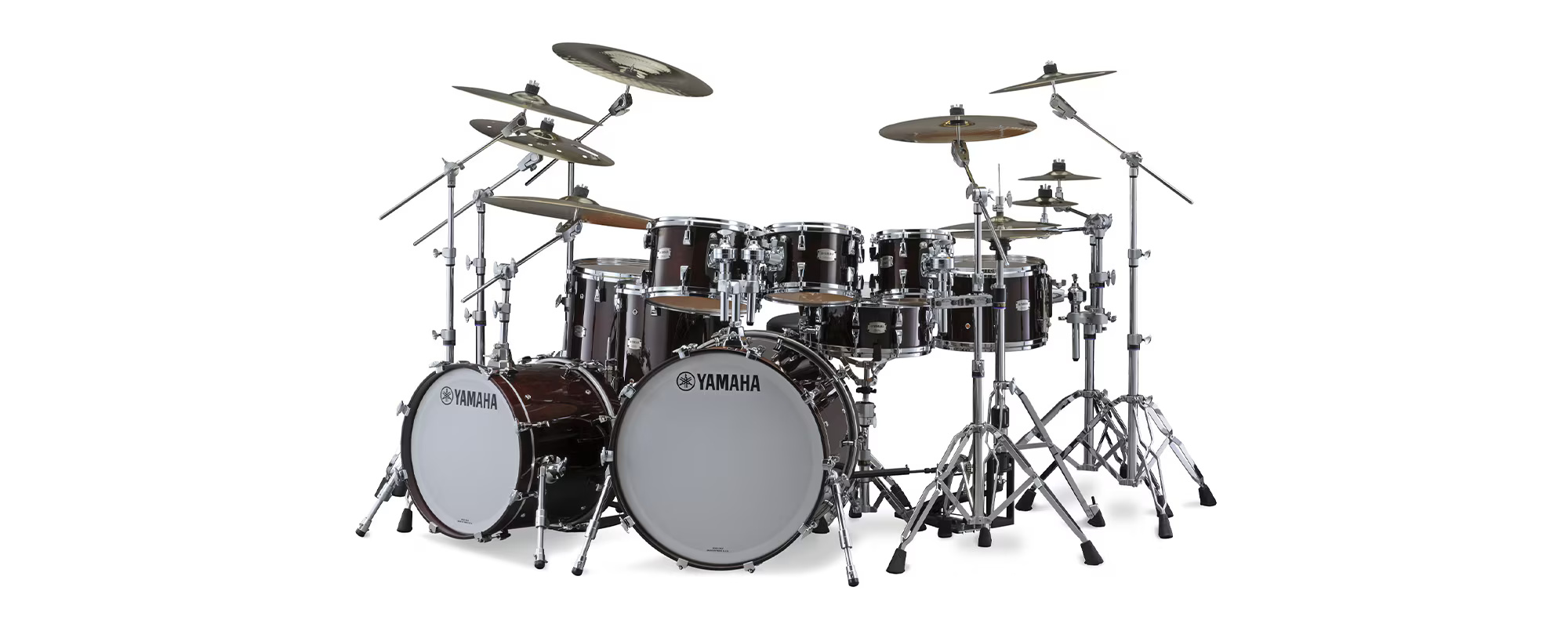
The Yamaha Recording Custom is the most recorded drum kit in history, and it has earned that reputation the hard way: in studios, on session dates and under microphones since 1977. The modern series was redesigned alongside Steve Gadd and relaunched in 2016, keeping the all-birch shell and the focused, controlled voice that made the original the industry default, while updating the hardware around it. If you are shopping for a birch drum kit, a studio drum kit, a recording drum kit or a professional Yamaha kit, this is the series to hear first.
Every Recording Custom we stock is available to play before you buy in our 5,000 square foot Fareham showroom, next to the Yamaha PHX, Absolute Maple Hybrid, Live Custom Hybrid Oak and 9000 kits, so you can hear the differences between them in one room rather than guessing from a spec sheet.
Shell
6 ply
All North American birch
Thickness
6 mm
Toms, floor toms and bass drums
Bearing edge
30°
With a 1.5 mm radius
Heritage
1977
Redesigned and relaunched in 2016
Shell and build: what you are actually buying
Recording Custom shells are six plies of North American birch at 6 mm, with no outer veneer doing the acoustic work and no second species blended in. Birch has a naturally stiffer, denser response than maple: it rolls off a little of the low midrange and pushes the high end forward, which is exactly why engineers have reached for these drums for fifty years. A Recording Custom tom arrives at the microphone already sounding close to a finished record, with the attack defined and the decay controlled, so it needs less work with gates, EQ and tape.
The 2016 redesign came out of three years of work between Steve Gadd and Yamaha’s R&D team. Gadd specified the 30 degree bearing edges after testing combinations of shells and edges, and asked for the lifted 20″ bass drum design so the shell can resonate freely rather than being damped by the floor. The result is a kit that tunes fast and holds its tuning, which matters more on a session than any single tonal claim.
-
All birch, 6 ply, 6 mm shells on toms, floor toms and bass drums, with 30 degree bearing edges cut to a 1.5 mm radius.
-
Weighted hi-tension lugs, one piece, with an internal lug lock mechanism. The added mass was designed to bring out lower frequencies and reduce unwanted shell noise, and the lock keeps tuning stable under heavy playing.
-
Y.E.S.S. tom mounting, the Yamaha Enhanced Sustain System, which contacts the shell at the smallest possible area so the shell is free to ring rather than being choked by its own bracket.
-
1.6 mm triple-flanged steel hoops on toms and floor toms, with wood hoops on the bass drums and diecast claws fitted with an insertion plate to cut hardware noise.
-
Remo heads as standard: coated Ambassadors on toms and floor toms, a coated PS3 batter on the bass drum and a smooth white Yamaha logo front head.
The sound, and who it suits
Think punch and definition rather than warmth and bloom. Toms speak immediately and stop when you want them to, the bass drum has a hard front edge to the note, and the whole kit sits in a mix without having to be carved into one. That makes the Recording Custom the obvious choice for studio work, function and session players, theatre pits, worship and broadcast, and anyone who records themselves at home and wants drums that need less fixing afterwards.
If you want the sound of a thousand records you already know, you want birch. If you want the kit to flatter the room with a longer, rounder decay, hear an Absolute Maple Hybrid alongside it before you decide.
Recording Custom shell sizes
The series is built around a full size range rather than a handful of fixed packs, so a Recording Custom can be specified as a tight 18″ jazz or bop setup, a classic 22″ four piece or a full session rig. These are the sizes Yamaha offers across the range.
Bass Drums
24″ x 14″
22″ x 18″
22″ x 16″
22″ x 14″
20″ x 16″
18″ x 14″
Tom Toms
16″ x 14″
14″ x 12″
13″ x 11″
13″ x 9″
12″ x 10″
12″ x 8″
10″ x 9″
10″ x 7.5″
8″ x 7.5″
Floor Toms
18″ x 16″
16″ x 15″
14″ x 13″
Snare Drums
Birch: 14″ x 5.5″ and 14″ x 8″
Also offered in aluminium, brass and stainless steel, so the snare can be matched to the session rather than to the shell pack.
Not sure which configuration?
Tell us the rooms you play and we will spec it with you. A 22″ x 14″ or 22″ x 16″ bass drum suits most studio and stage work, 22″ x 18″ adds depth for bigger rooms, and the 18″ and 20″ kicks are the ones to hear if you work in tighter spaces. Call us on 01329 834012 or email [email protected].
Recording Custom finishes
Yamaha keeps the finish range deliberately tight, and all six read as professional instruments rather than fashion colours. Real Wood is the one most people picture when they think of a Recording Custom, and Solid Black is the studio and broadcast standard.
Finish availability moves with Yamaha’s production runs, so if you have your heart set on one in particular it is worth asking us to check lead times before you order.
Who plays a Recording Custom
There is a reasonable chance this kit has already soundtracked your life without you knowing which drums you were hearing. The Recording Custom and the 9000 that preceded it dominated studio work from the late seventies onward, and the series still turns up on sessions and stages worldwide.
-
Steve Gadd, whose name is inseparable from these drums. He played the originals through the records that defined session drumming, then spent three years with Yamaha’s R&D team redesigning the modern series.
-
Dave Weckl, whose work with the Chick Corea Elektric Band put the sound of these birch shells in front of a generation of players.
-
Vinnie Colaiuta, one of the most recorded drummers alive, and another name tied to the Recording Custom era.
-
Cozy Powell, proof that a studio kit can hit hard. His Yamaha work is a reminder that birch is not only for quiet sessions.
-
Larnell Lewis, among the current generation of Yamaha players, who keeps Recording Custom snare drums in his touring setup.
The full story of the kit, the records and the players is in our own guide to the series it grew out of.
Read the Yamaha 9000 Recording Custom History and Buyer’s Guide
Where the Recording Custom sits in the Yamaha professional range
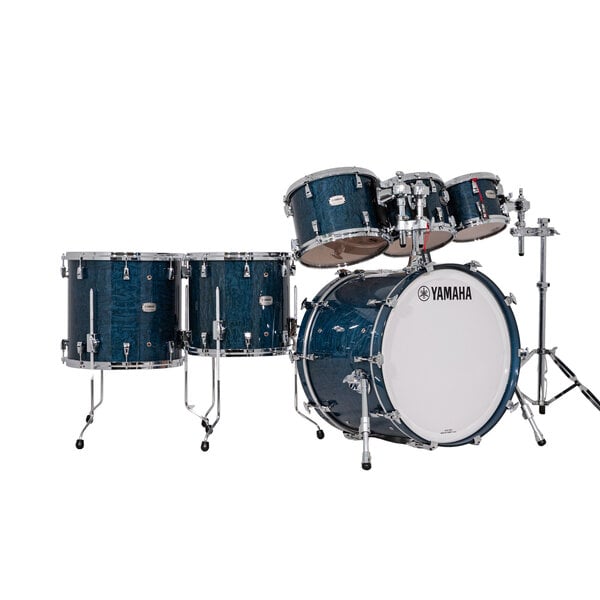
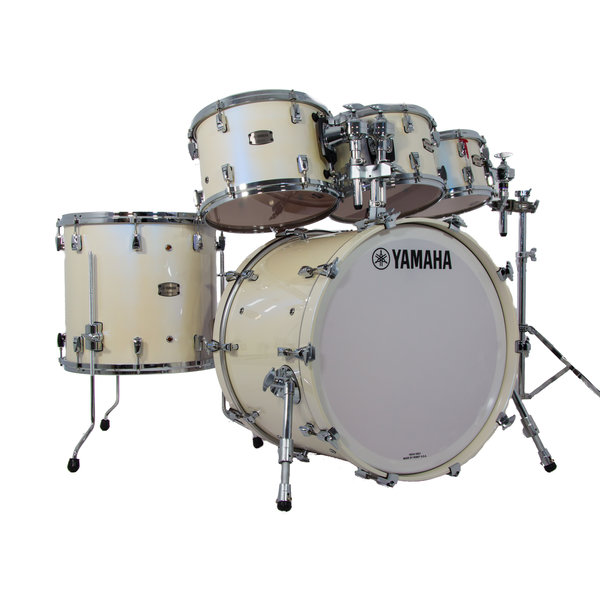
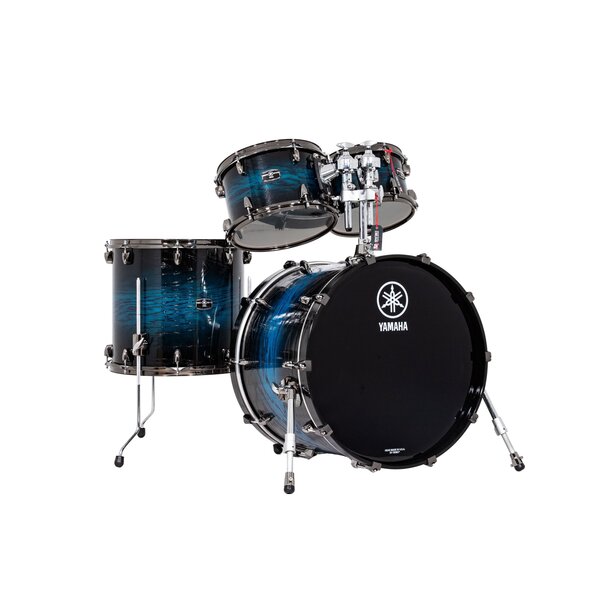
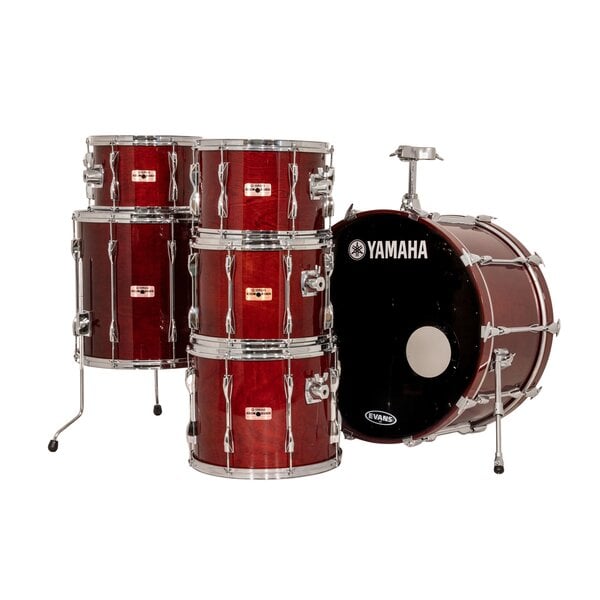
Yamaha’s professional kits are not a ladder where each one is simply better than the last. They are different voices at a similar level of craft, and the right one depends on the sound you are after rather than the budget you have. Here is the short version, and each series has its own page if you want the detail.
Browse wider
See every series side by side in Yamaha Drum Kits, the full Professional Drum Kits range from every brand we stock, or everything Yamaha on our Yamaha brand page.
Want to know more before choosing?

Yamaha Recording Custom FAQs
Is the Recording Custom the same kit as the Yamaha 9000?
Not quite, but they are the same bloodline. The 9000 Recording Custom launched in 1977 and ran into the nineties. The series was redesigned with Steve Gadd and relaunched in 2016 as the Recording Custom you can buy new today, keeping the all-birch shell while updating the lugs, the bearing edges, the mounting and the bass drum design. Related: our Yamaha 9000 Recording Custom guide covers the differences between the eras in detail.
Where are Recording Custom drums made?
The current series is built in China, to the standards set by the Japanese team who designed it. We would rather tell you that straight than let you find out later. The original 9000 era kits were Japanese built, which is part of why they are still chased on the vintage market, but the drums being sold today are not a diluted version of them: the shell recipe, the 30 degree edges and the hardware are the same specification Steve Gadd and Yamaha’s R&D team signed off, and the consistency between one Recording Custom and the next is as good as it has ever been. Come and play one and judge it by the sound rather than the sticker.
Birch or maple: which should I buy?
Birch gives you attack, focus and a controlled decay, which is why the Recording Custom became the studio default. Maple gives you a longer, rounder, warmer note that fills a room. Neither is better. If your drums need to sit in a mix with minimal processing, start with birch. If you want the kit itself to be the biggest sound in the room, hear an Absolute Maple Hybrid back to back with a Recording Custom in the showroom.
What size bass drum should I choose?
A 22″ x 14″ or 22″ x 16″ covers most studio, function and stage work and is the safest first choice. The 22″ x 18″ trades a little articulation for depth and suits bigger rooms and heavier music. The 20″ x 16″ was designed as a lifted shell so it resonates freely, and it records beautifully. The 18″ x 14″ and 24″ x 14″ are the specialist ends of the range: one for jazz, bop and tight spaces, the other for a big, broad note.
Which snare drum goes with a Recording Custom?
The matching birch snares come in 14″ x 5.5″ and 14″ x 8″, and the 5.5″ is the one most players reach for first because it shares the kit’s crack and control. Yamaha also builds Recording Custom snares in aluminium, brass and stainless steel, which is worth knowing if you want a second snare with a different voice rather than a deeper version of the same one.
Hear It Before You Buy It
Play a Recording Custom in our Fareham showroom
A spec sheet cannot tell you what a kit sounds like under your own hands. Our 5,000 square foot showroom holds professional kits from every leading brand set up and ready to play, so you can hear a Recording Custom next to the Yamaha series around it and the kits from everyone else at the same level. No pressure, no appointment needed, and someone on hand who actually plays these drums.