

Yamaha 9000 Recording Custom: History, Players and Buyer's Guide
- Posted on
- By Joel
- 0
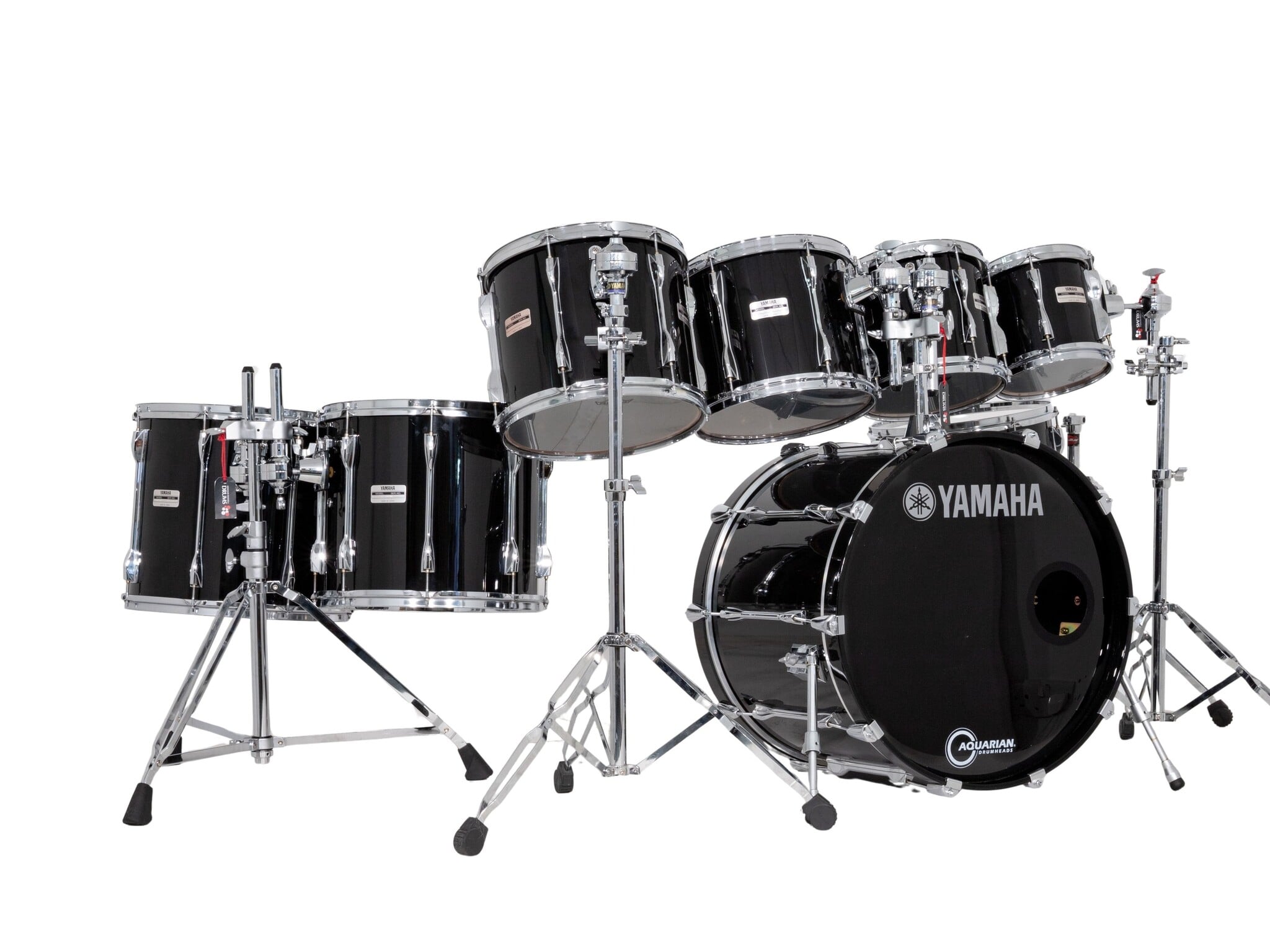
The story of the most recorded drum kit in history. Steve Gadd, Cozy Powell and the complete guide to original 9000s versus the modern reissue all available in store at Graham Russell Drums.
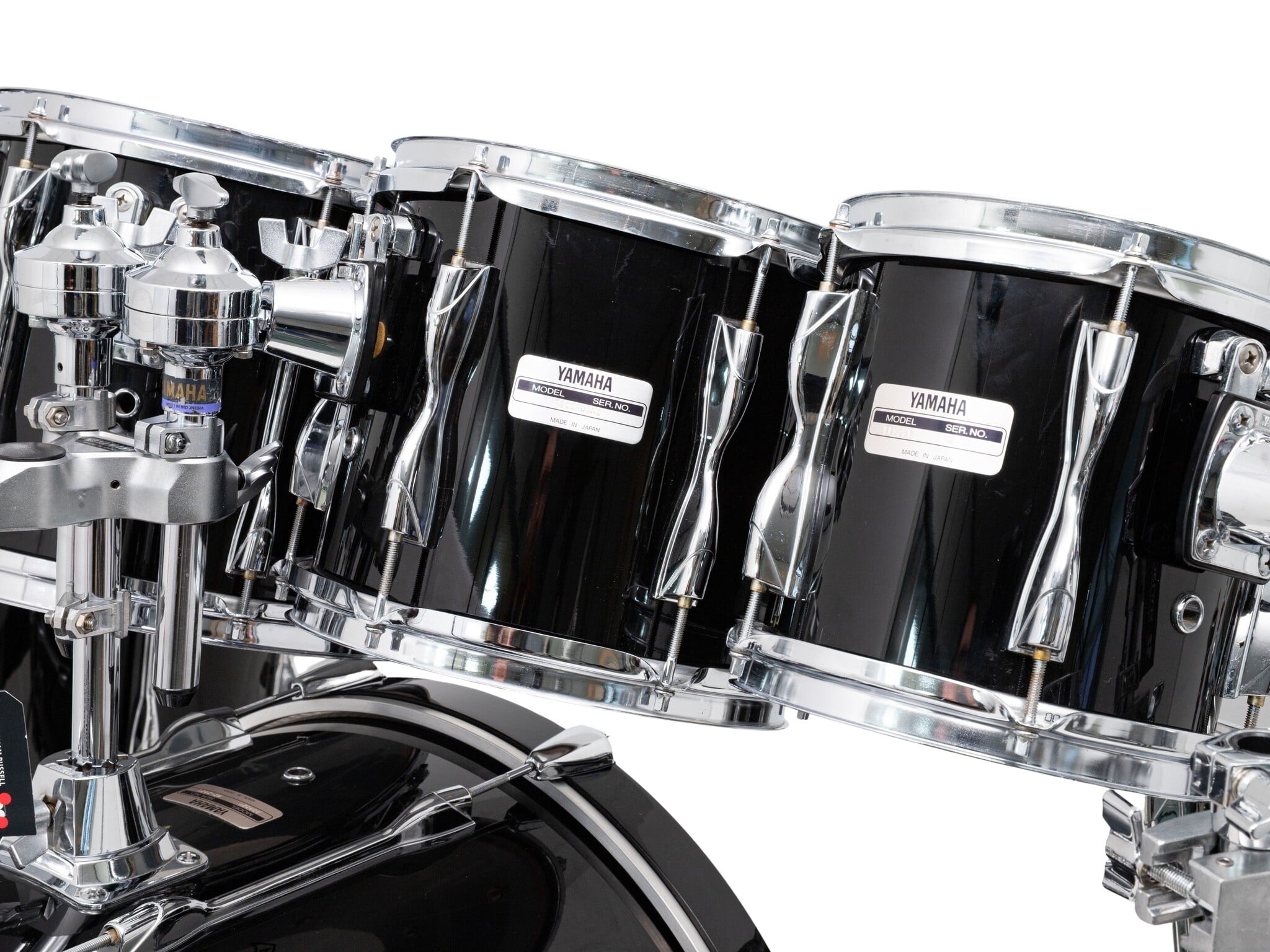
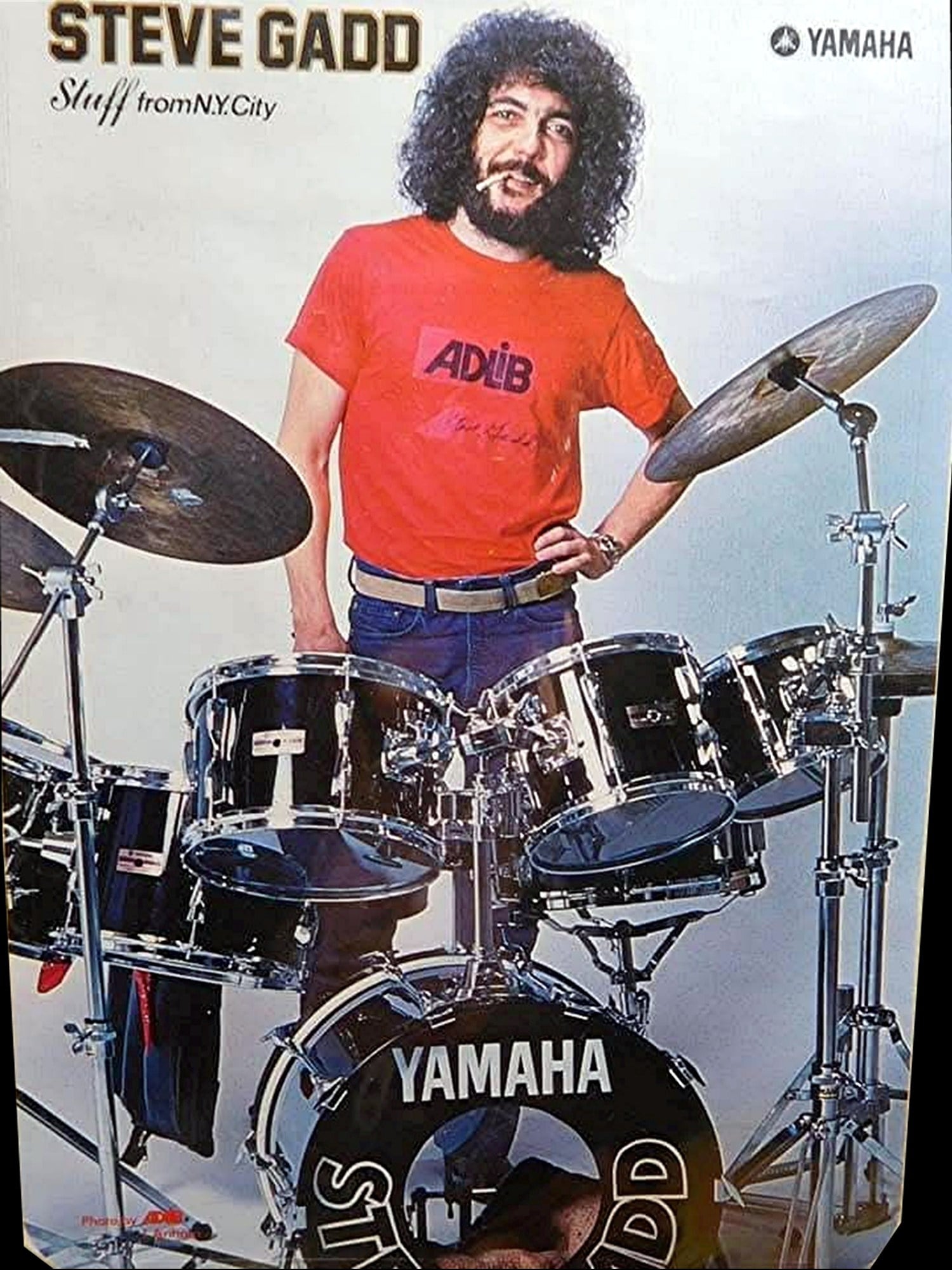
Before you read another word, there is a reasonable chance this drum kit has already soundtracked your life. Paul Simon's Graceland . The Chick Corea Elektric Band. Whitesnake's Slide It In . Three records from three entirely different musical worlds, and behind every one of them, the same drum kit. The Yamaha 9000 Recording Custom is arguably the most recorded drum kit in history and one of the most significant instruments ever to sit in a recording studio. This is the story of how it got there, what makes original Japanese examples so sought after today, and where the modern reissue stands in relation to the real thing. Yamaha launched the 9000 series in 1975, and the kit's origin is one of the great stories in instrument history. The birch came from Hokkaido, the same hand-selected stock used in Yamaha's piano soundboards. The finish was piano lacquer, the exact glossy black applied to their flagship concert instruments. The Air Seal System, which bonded the birch plies under uniform air pressure to produce perfectly round and uniformly thick shells, was adapted directly from piano manufacturing. When Yamaha called the finish Piano Black, they were not being poetic. The Piano Black Recording Custom is, in quite a literal sense, a piano in drum form. Steve Gadd became a Yamaha artist in 1976 and worked with the R&D team on the kit's development from the start. His Piano Black setup, 10", 12", 14" and 16" toms on a 22" kick, would become the most photographed and imitated drum configuration of the decade that followed. The 9000 had been building a reputation through the late 1970s, but the shift into the 1980s turned it into the universal studio standard. Quality alone does not explain it. The timing does. Recording technology was transforming. Studios had abandoned distant, ambient microphone placement in favour of close-miking individual drums, and this change exposed every weakness a kit had to offer. Engineers needed shells with tight attack, short decay and a clean fundamental that would sit in a mix without heavy EQ intervention. Birch delivered exactly that, and the 9000 did it better than anything else available. In 1982, Yamaha upgraded the hi-tension lugs to a fully springless design, eliminating sympathetic resonance. By 1985, the kit had been officially renamed the Recording Custom, a title that only confirmed what studios had been calling it for years. What followed was a decade of dominance across every genre. Gadd's role in the rise of the 9000 cannot be overstated. By the early 1980s he was the most in-demand session drummer in New York, the player producers called first regardless of genre. Across the decade his credits cover the full breadth of popular music: sessions with Aretha Franklin, Paul McCartney, Barbra Streisand, Stevie Wonder, George Benson, Eric Clapton and James Taylor, among countless others. His Yamaha 9000 came with him to every one. Two records had established his reputation before the decade began. The drum introduction to Paul Simon's Fifty Ways to Leave Your Lover (1975) remains one of the most studied passages in popular music. In 1977, on the title track of Steely Dan's Aja , Gadd played live in the studio with the band and delivered one of the most technically complex drum performances in recording history, requiring virtually no editing to his part. That standard of preparation and authority was what sat behind the Yamaha 9000 when the 1980s arrived in earnest. The records accumulated through the decade. Paul Simon's Graceland (1986). Session after session across New York and Los Angeles. When producers booked Gadd, the 9000 came with him. His Piano Black setup became the visual shorthand for what a professional drum kit was supposed to look like. Vic Firth Signature Series Steve Gadd Drum Sticks Where Gadd represented the session establishment, Dave Weckl arrived as the technical vanguard. He came up on the New York scene in the early 1980s, doing sessions for Paul Simon, Madonna, Robert Plant and George Benson before Chick Corea invited him into the newly-formed Elektric Band in 1985. Three consecutive Recording Custom albums followed: The Chick Corea Elektric Band (1986), Light Years (1987, which won the Grammy for Best R&B Instrumental Performance) and Eye of the Beholder (1988). Weckl's Cherry Wood Recording Custom in extended power sizes became the defining image of 1980s fusion drumming. The technical precision, the visual weight of those oversized toms, the relentless clarity of the birch attack cutting through Corea's synthesisers. For a generation of players, this was the instrument at its ceiling. Vic Firth Signature Series Dave Weckl Evo Drum Sticks This one tends to surprise people, even serious UK drummers. Cozy Powell, one of the hardest-hitting rock drummers this country ever produced, was a Yamaha player. Powell began using Yamaha drums with Whitesnake around 1983, appearing on Slide It In (1984), still one of the defining British hard rock records of the decade. He continued with Yamaha through his work with Emerson, Lake and Powell (1986) and into Black Sabbath, where his confirmed setup included twin 26-inch bass drums in the Yamaha 9000 series. The kit held up under conditions that would expose any weakness in a shell or lug. Powell demolished the idea that birch was delicate or that the Recording Custom belonged only in a precision studio context. He was one of the most physically powerful drummers in rock history and the 9000 performed throughout. For a UK audience, his relationship with this kit remains the most underreported chapter of its story. After his landmark tenure with Frank Zappa (1978 to 1982), Vinnie Colaiuta became one of the most sought-after session players in Los Angeles. He switched to Yamaha at the start of the 1980s and stayed with the brand for over a decade. By the late 1980s he was recording during the day and playing clubs at night. His credits from the period cross the full breadth of the era: Duran Duran, Chaka Khan, Herbie Hancock, Steely Dan, Quincy Jones, Burt Bacharach, Simple Minds. Jennifer Warnes' Famous Blue Raincoat (1986) and Gino Vannelli's Big Dreamers Never Sleep (1987) are among the most documented of his Yamaha recordings. Modern Drummer voted him best overall drummer ten times and inducted him into their Hall of Fame in 1996. He was on a Recording Custom throughout every one of those years. Vater Vinnie Colaiuta Signature Wood Tip Drum Sticks Original 9000s and Recording Customs built at Yamaha's Sakae factory in Japan fall into two generations, and the distinction matters to serious buyers. Within the earlier pre-YESS period, collectors may also encounter the RA9000, or “RA-era”, designation. Contemporary UK coverage was already referring to the Yamaha RA9000 Series in 1984 and identified Cherry Wood as a new finish that year. These are not a separate modern range: they belong to the same Japanese-built, all-birch 9000 lineage from before Recording Custom became the official name in 1985. Pre-YESS models feature slightly thinner shells. Yamaha later thickened the shell to accommodate the structural demands of the YESS two-point mount, and many collectors consider the thinner pre-YESS builds the most resonant of any Japanese 9000 production. Less shell mass means freer vibration, a more immediate response and a rawer expression of the birch character. YESS mount models offer a different advantage: fully isolated toms that resonate completely freely, unconstrained by any contact with the mount hardware. Both generations are desirable. They are simply different instruments. The finishes carry their own histories. Piano Black carries the same piano-grade lacquer applied inside the shell as well as out. Cherry Wood is lacquered inside and out in matching cherry stain, and appears in both standard full-depth configurations and shallower tom dimensions depending on how the original owner specified the kit. Rarer finishes including Deep Aqua Blue, Cobalt Blue, Hot Red and Canary Yellow appear occasionally and carry a collector premium for their scarcity. What the original Japanese-made examples share, regardless of generation or finish, is Sakae factory craftsmanship, Hokkaido birch and the build standard that sits behind every record discussed in this piece. Individual used kits can be mixed-origin, however, which is why the country-of-origin details in each listing matter. In 2016, after a period out of production, Yamaha brought the Recording Custom back. The reissue was developed over three years in close collaboration with Steve Gadd and represents a genuine evolution rather than a straightforward reproduction. The modern kit uses 6-ply North American birch, 30-degree bearing edges and introduces metal snare options in brass, stainless steel and aluminium for the first time in the series' history. YESS mounts are standard throughout. It is available in four finishes: Solid Black, Classic Walnut, Real Wood and Surf Green. For players who want the Recording Custom character in a new instrument, with modern specifications and the reassurance of a warranty, this is the answer. The birch DNA is there. The hi-tension lug aesthetic is there. The fundamental Recording Custom sound is there. Browse our current Yamaha Recording Custom stock here The question we are asked most often is whether the modern reissue is the same as an original. The honest answer is no, and that is not a criticism of either. The modern Recording Custom is built to current tolerances, optimised for today's recording environments and available with the peace of mind of a new instrument. For a working drummer who wants the Recording Custom sound without the variables involved in buying vintage, it is the practical choice. The original Japanese kits are something different. Hokkaido birch is no longer sourced to the same specification. The particular shell geometry of the Sakae factory production, and the thinner pre-YESS builds in particular, cannot be replicated by a modern manufacturing run. And then there is the provenance: these are the instruments on the records. Not equivalent instruments, not inspired-by instruments. The same design, from the same factory, made during the decade when Gadd, Weckl, Powell and Colaiuta were making the music discussed above. Some of us at the shop work with both. A Cherry Wood pre-YESS kit in a shallow tom configuration, paired with a modern Recording Custom brass snare, captures something that neither instrument does entirely on its own. Elsewhere in the building there is a full-size Cherry Wood pre-YESS kit and a Piano Black pre-YESS build, both of which see regular use. These are not display pieces. They are working instruments, and that combination of generations is precisely why we recommend considering both rather than treating the choice as either/or. Browse our current Yamaha Recording Custom stock here Vintage Yamaha Recording Custom kits are something we actively seek out, and original Japanese examples come through the shop more often than you will find at most dealers. Pre-YESS Cherry Wood kits in both standard and shallow configurations, Piano Black builds in the classic session-era setup and rarer finishes including Deep Aqua Blue have all passed through, and in some cases stayed. The current examples below show how varied original 9000-series kits can be. Click any image or product title to see the full listing, condition notes and included hardware. Yamaha Recording Custom 9000 22" Drum Kit, Piano Black 8" × 8", 10" × 9", 12" × 10", 13" × 11", 14" × 12", 15" × 13", 16" × 14", 22" × 16", Piano Black Yamaha Recording Custom 9000 (RA Era) 24" Drum Kit, Cherry Wood 12" × 8", 13" × 9", 14" × 11", 15" × 12", 16" × 16", 22" × 14", Cherry Wood Yamaha Recording Custom 9000 22" Drum Kit, Deep Aqua 8" × 8", 10" × 9", 12" × 10", 13" × 11", 14" × 12", 15" × 15", 22" × 14", Deep Aqua Yamaha Recording Custom 9000 22" Drum Kit, Cherrywood 13" × 9" rack tom (MIJ), 16" × 16" floor tom (MIJ), 22" × 16" bass drum (MIE), Cherrywood Original pre-YESS examples in genuine condition are increasingly hard to source. Good Cherry Wood kits in shallow dimensions are rarer still, and Piano Black builds in complete configurations tend not to sit around for long when they do come to market. If you are looking for a specific finish, generation or configuration, the conversation is always worth having before the right kit appears rather than after it has gone. Get in touch and tell us what you are after. We will let you know what we currently have available, or keep an eye out when something relevant comes through the door. Contact us here or come and find us in the shop. There is a limit to what any amount of reading can tell you about a drum kit. The Recording Custom's character, the way the birch responds under the sticks, the feel of those hi-tension lugs, the difference between a pre-YESS shell and a later build, is something you need to handle in person to properly understand. Graham Russell Drums is one of the country's best-known independent drum showrooms, and everything discussed in this piece can be played, compared and heard properly under one roof. Come in, play the drums, and let the instruments do the rest of the talking. The 9000 was the original series designation used from 1975 onwards. The Recording Custom name came later, with the YD9000R designation informally associated with the recording world from the early 1980s and officially adopted by Yamaha in 1985. In practice, collectors and players use both names to refer to the same lineage of all-birch Japanese-built kits. YESS stands for Yamaha Enhanced Sustain System, a two-point tom isolation mount introduced to allow shells to vibrate freely without interference from the mount hardware. Pre-YESS kits use the earlier single-post mount and feature slightly thinner shells, as the shell wall did not need to be reinforced to accommodate the YESS structure. Many collectors consider pre-YESS builds the most resonant examples of the original Japanese production run. For players who want a genuine 1980s studio instrument with the provenance of the records discussed above, yes. Original Japanese Recording Customs are increasingly hard to find in good condition and the gap in price between a well-maintained vintage example and a modern reissue has narrowed considerably in recent years. Pre-YESS examples in desirable finishes such as Piano Black and Cherry Wood are particularly sought after. The modern reissue, relaunched in 2016 with Steve Gadd's direct input, is a genuinely excellent drum kit carrying the Recording Custom character in an updated form. It uses North American rather than Hokkaido birch, 30-degree rather than the 45-degree bearing edges of the main Japanese production era, and is built in China rather than at the original Sakae factory in Japan. For most working drummers it is the practical choice. For players interested in the specific sound and provenance of the original Japanese builds, the vintage kits remain a distinct and separate category. The most significant names are Steve Gadd, Dave Weckl, Vinnie Colaiuta, Cozy Powell and David Garibaldi. Gadd was involved in the kit's development from 1976 and his Piano Black setup defined the visual identity of the 9000 throughout the decade. Weckl used Cherry Wood Recording Customs for the Chick Corea Elektric Band albums. Powell used Yamaha drums with Whitesnake and through his work with Emerson, Lake and Powell, and was confirmed on the Yamaha 9000 series with Black Sabbath. Colaiuta played Yamaha throughout the 1980s on hundreds of sessions across every genre. Written by Joel Smith I have been part of Graham Russell Drums since I was 15 in 2019 and now work here full-time. Starting on the shop floor, I have built and tuned hundreds and hundreds of drum kits across every price point and playing style, advised everyone from families buying a first kit to international touring drummers, and had my knowledge sharpened further by years of in-store clinics and masterclasses with some of the world's finest players. The advice here comes from that experience, not a spec sheet. I own a Cherry Red Japanese 80s RC9000 kit. It is the best drum kit I have ever heard, and it is one that I will keep forever.The Yamaha 9000 Recording Custom: The Most Recorded Drum Kit in History
Born in the Piano Factory
Why the 1980s Defined It
Steve Gadd and the New York Session World
Dave Weckl and the Sound of Fusion
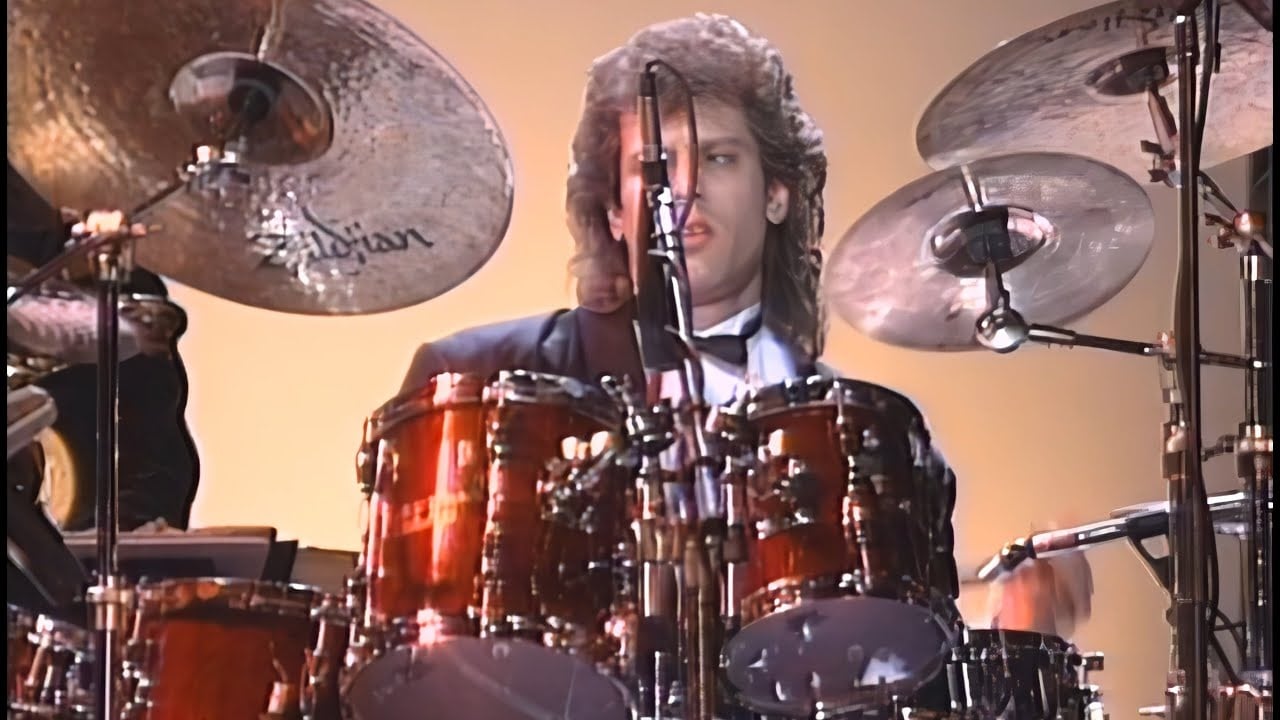
Cozy Powell and the Hard Rock Proof
Vinnie Colaiuta and the Session Decade
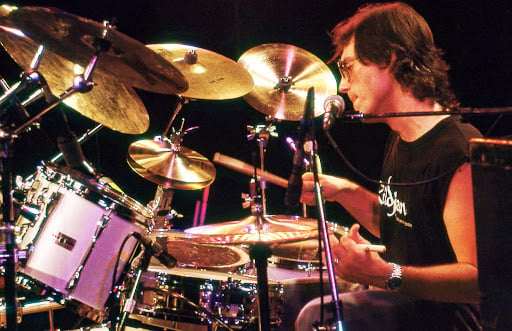
What Makes an Original Japanese 9000 Special
The Modern Recording Custom
Vintage and Modern: The Honest Difference
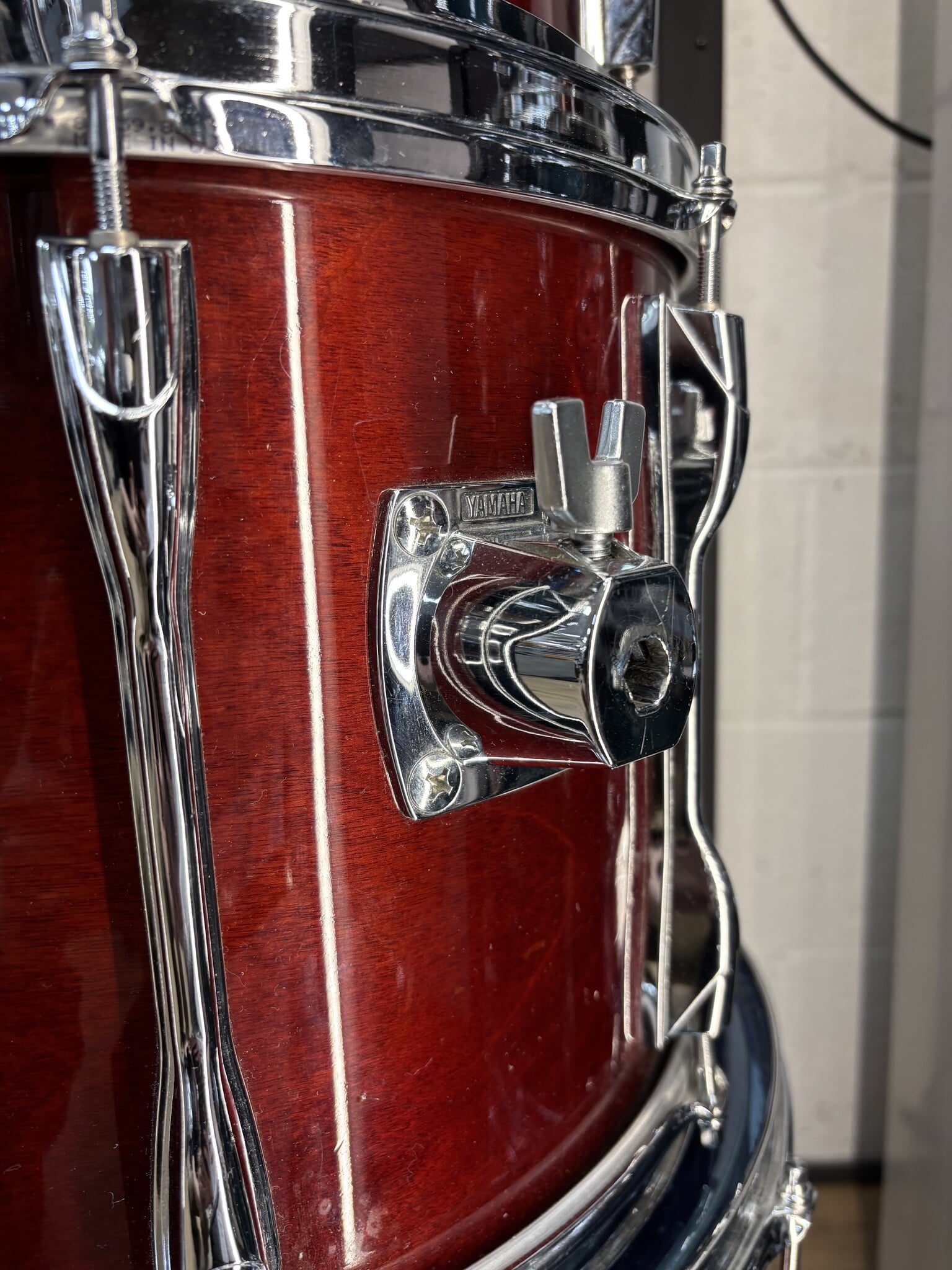
Original Japanese Recording Customs at Graham Russell Drums
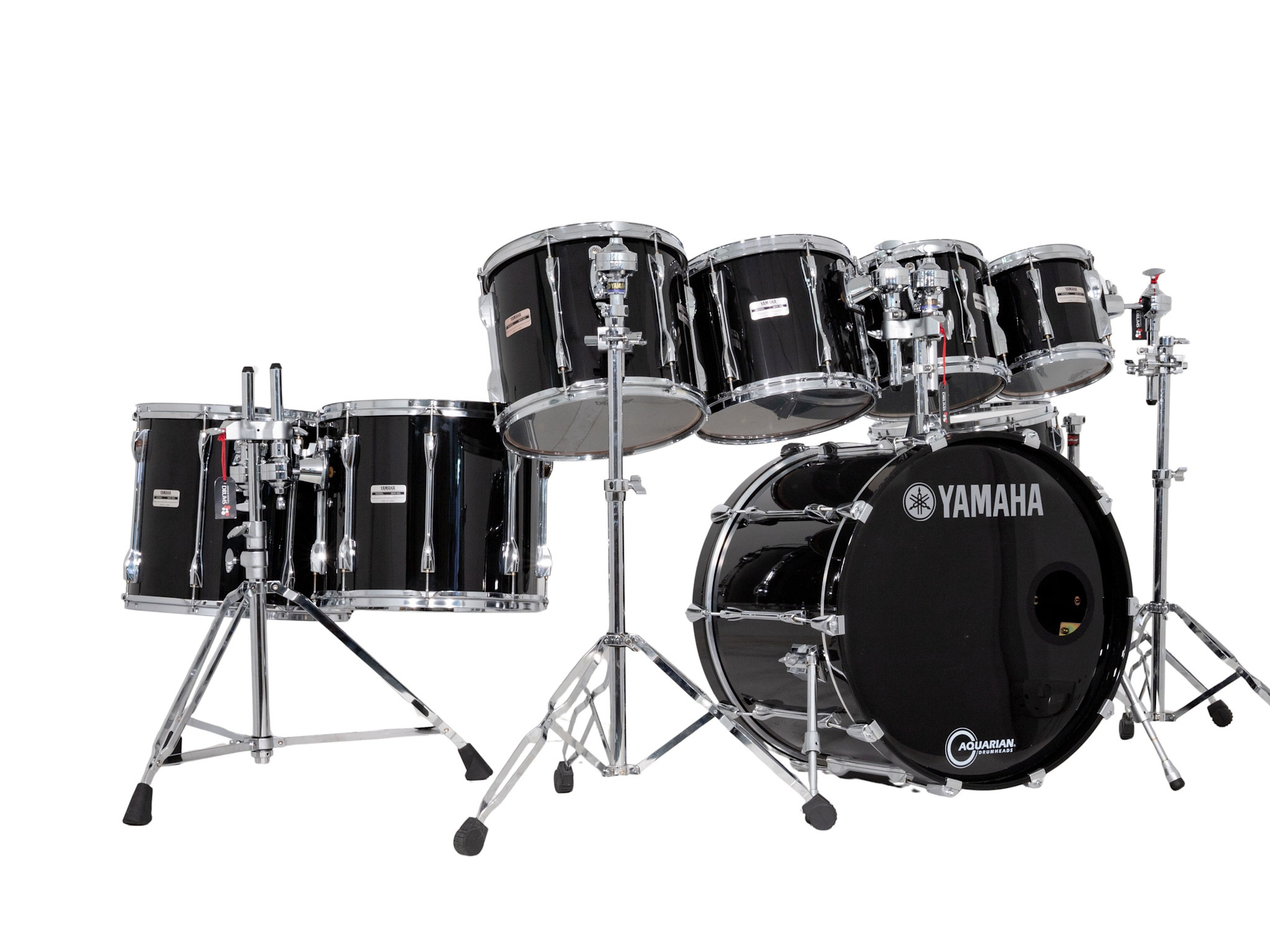
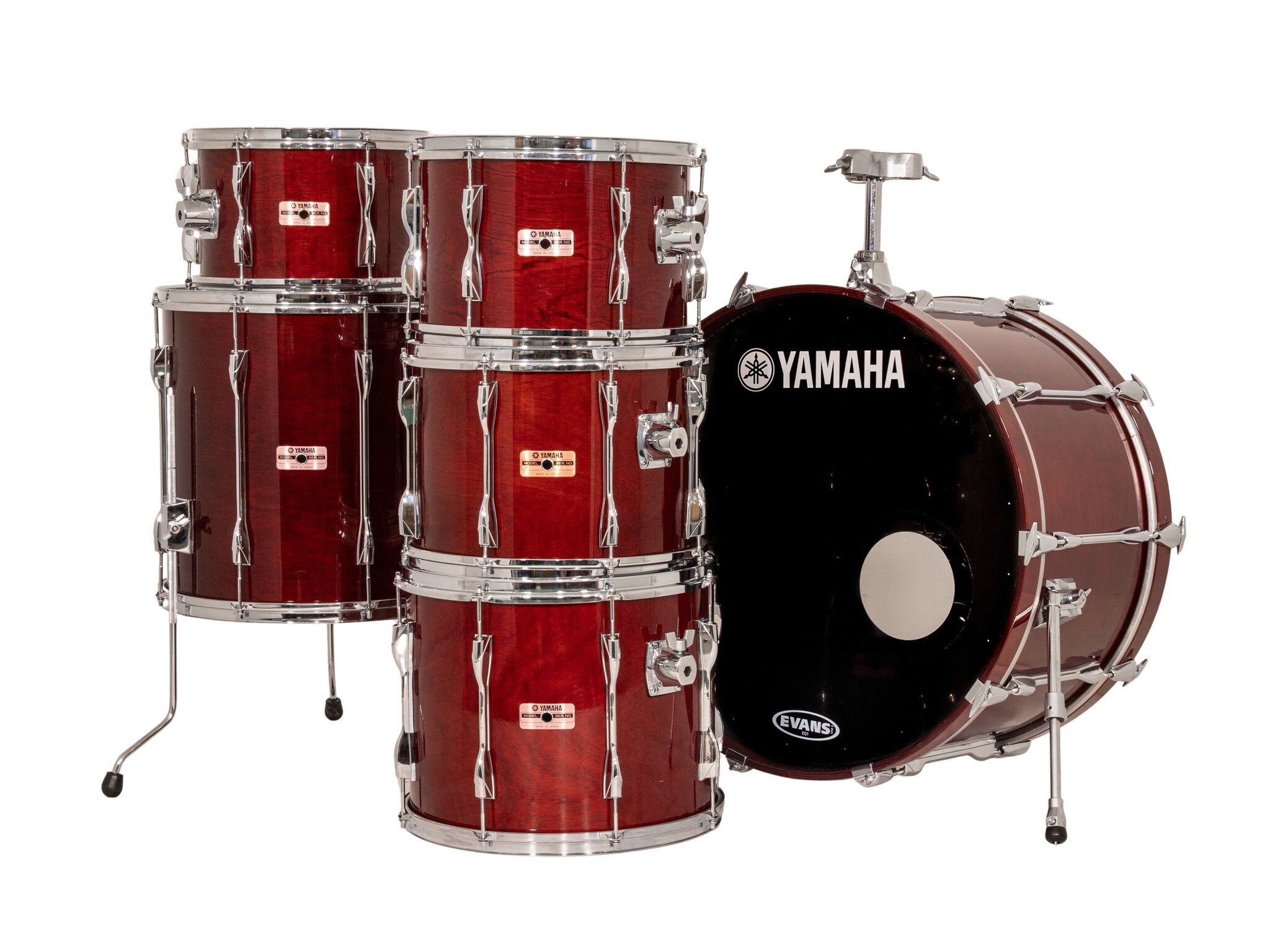
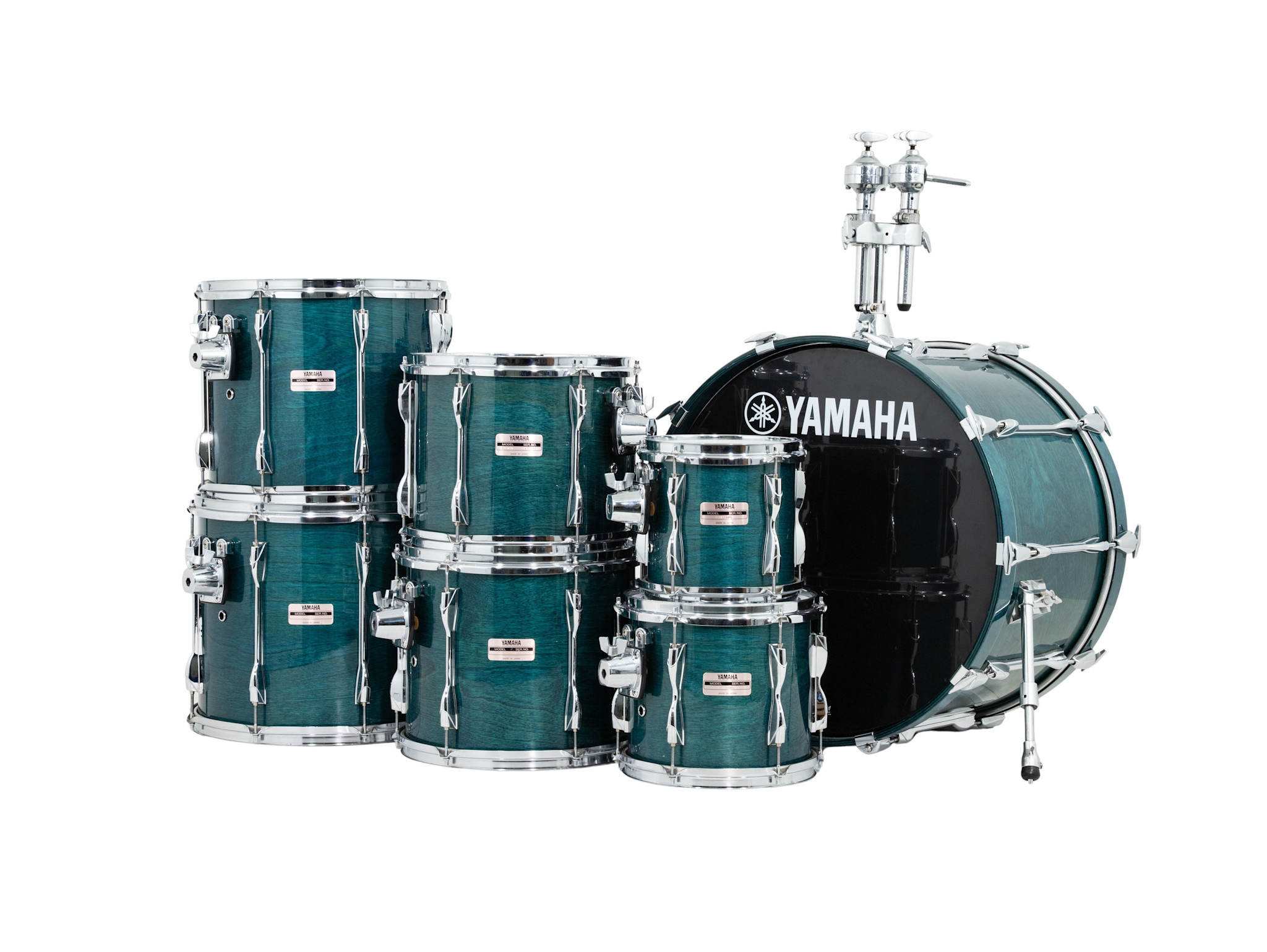
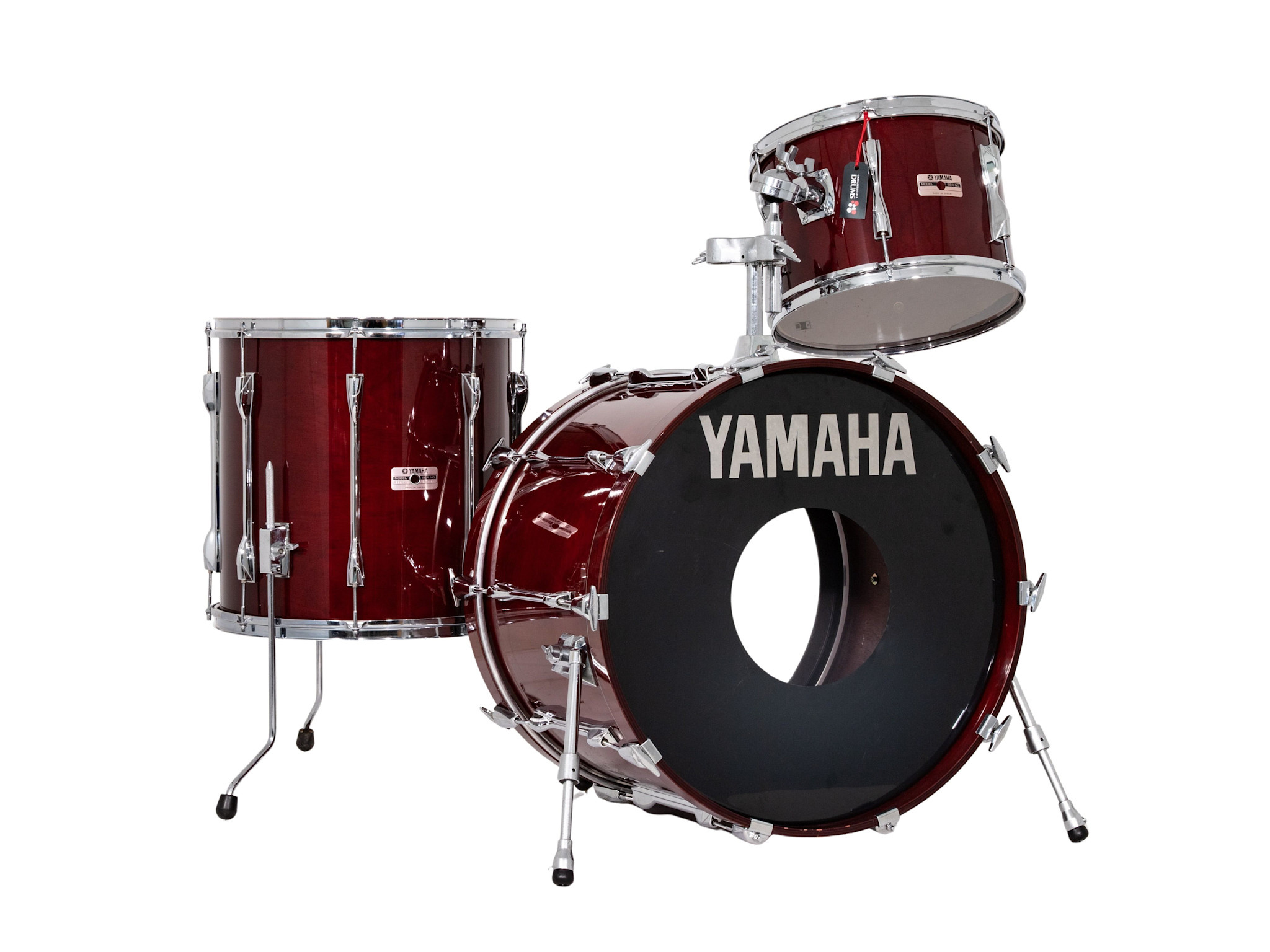
One Last Thing
Frequently Asked Questions
What is the difference between a Yamaha 9000 and a Recording Custom?
What is a pre-YESS Yamaha Recording Custom?
Are original Yamaha 9000 drums worth buying?
How does the modern Yamaha Recording Custom compare to the original?
Which famous drummers played the Yamaha 9000 Recording Custom?












Thank you so much for this, really appreciate you taking the time to comment.
You are completely right on the shell and bearing edge distinction, and your description of the sonic difference between the two is spot on. Most of what I know about these kits comes from playing my own early 80s Cherry 9000, bits picked up in store, and a few old Yamaha catalogues we have knocking around, so the pre-1984 thin-shell builds and the 45-degree-edge models got lumped together as "pre-YESS." I will update the guide to reflect it properly.
The intention with this guide is to keep coming back to it over time. These kits come through the shop regularly and I wanted somewhere that pulls all the information together in one place, so comments like yours are genuinely useful.
Between my own Cherry 9000, Graham himself on an every-size Cherry, and a colleague's black pre-YESS kit, the ageing point gets debated in the shop regularly and the early shells are hard to argue with.
The Mellow Yellow is a finish we love in here. I have only ever seen one come through in all my time, so yours sounds like a genuinely special one. Look after it.
All the best from Fareham to Frankfurt.
Thank You for the great deep dive into the RC history!!!
I find it especially interesting to learn about the difference between Japan and China made RCs.
Is far as I know, pre Yess does not necessarily mean thinner shells. The production of thicker shells and 45 degree bearing edges for the RCs /YD 9000s startet already around 1984. Yess was introduced to the market at around 1992 or 93, if I am not mistaken.
I own a set of YD 9000 from 1982 in mellow yellow with thin shells, high tension lugs and rounded laquered bearing edges as well as a 1984/87 piano black RC with slightly thicker shells and 45 degree bearing edges. Both sound great, but different. The thinner shells have a warm, punchy, vibrant sound with a slight vintage touch, whereas the thicker shells have punch with a little more attack and a clearer tone...at least that is my observation.
Thanks again and all the best from Frankfurt/ Germany!