


Vintage Yamaha 9000 Drum Kits
In Stock items may be either at the shop or the warehouse.
To view before purchasing, please check the product details to confirm it's in-store.
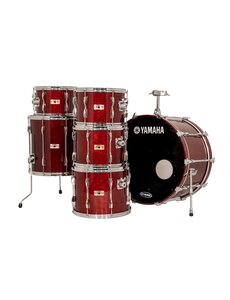
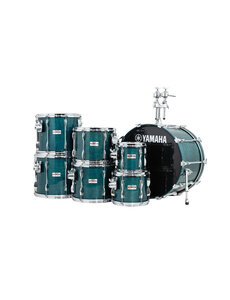
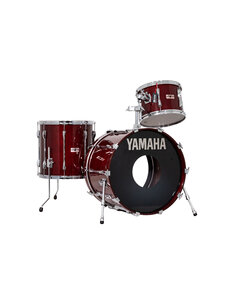
Yamaha Drum Kits
Yamaha 9000: The Kit Everything Else Descends From
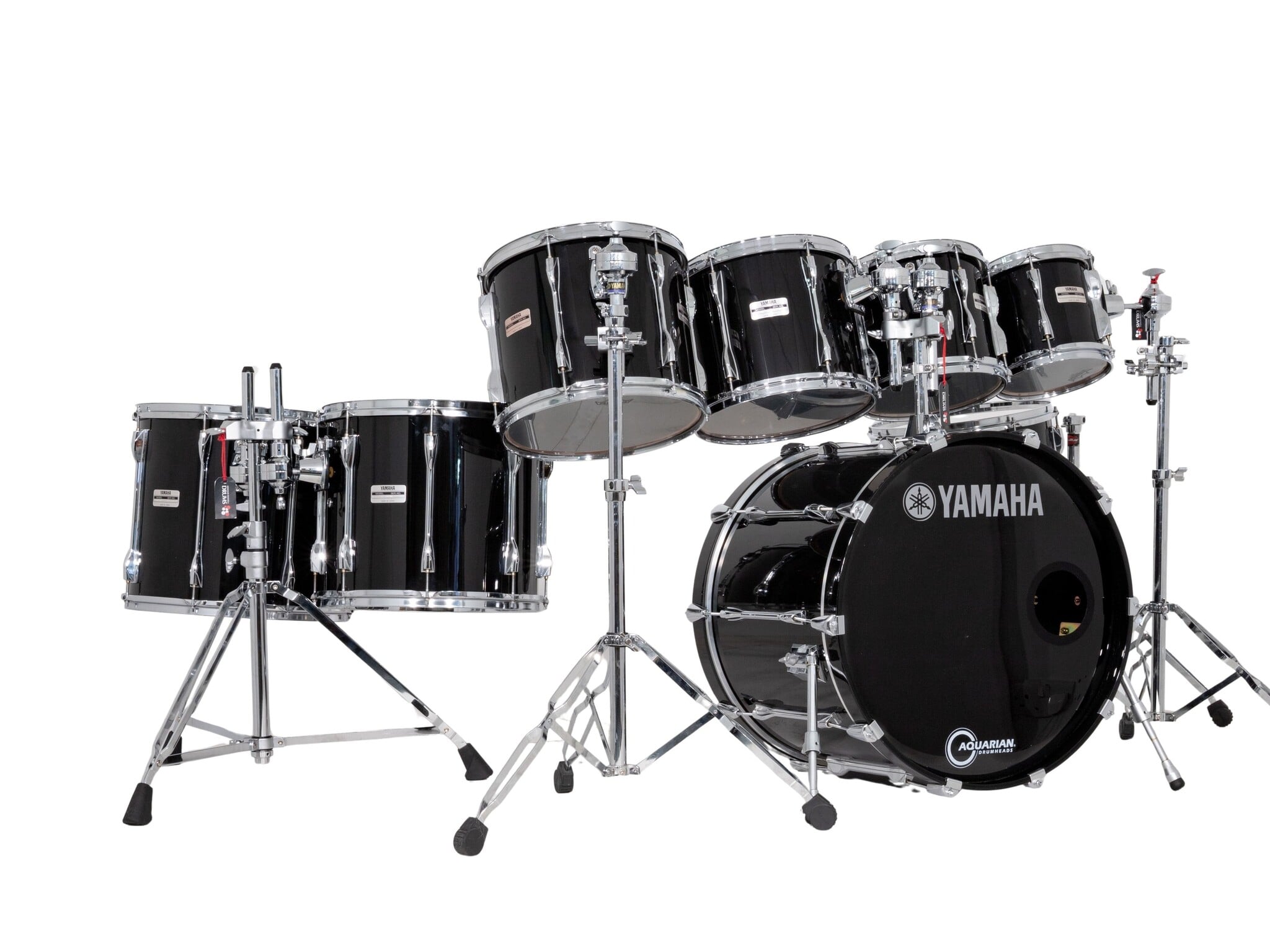
Every Yamaha 9000 here is pre-owned, because the series went out of production decades ago. These are the drums that made Yamaha’s name in professional music: Japanese built, all birch, born out of the company’s piano factory, and so dominant in studios through the late seventies and eighties that there is a fair chance you have heard one without ever knowing it. In 1985 the series was renamed Recording Custom, which is the name it still carries today. If you are looking for a vintage Yamaha drum kit, a used Yamaha 9000 or a vintage birch kit with genuine studio history, this is the page.
Buying one of these is a different exercise from buying a new kit, so this page is built differently too. There is no finish chart and no size list, because every one of these is whatever its first owner ordered forty-odd years ago. What there is instead: the eras and what changed between them, what to look at before you commit, and an honest account of what is settled and what collectors still argue about.
Built in
Japan
At Yamaha’s Sakae factory
Shell
Birch
Hokkaido birch, Air Seal System
Renamed
1985
When 9000 became Recording Custom
Availability
Used only
Long out of production
What a 9000 actually is
The 9000 came out of Yamaha’s piano manufacturing, and that is not a marketing line, it is the explanation for why the drums are the way they are. Hokkaido birch, finished in piano lacquer by people who finished pianos, and shells bonded using the Air Seal System, where uniform air pressure presses the plies against the mould so the shell comes out genuinely round and evenly bonded rather than approximately so. A round shell holds a tuning. A shell that holds a tuning is what a studio wants.
What came out was a kit with tight attack, short decay and a clean fundamental: not a flattering drum, an accurate one. Engineers could put a microphone in front of it and get something usable with very little work, which in the era of expensive studio time was worth a great deal. That reputation is why these kits still sell now, and it is the same reputation today’s Recording Custom trades on.
The eras, and what changed
The series ran for the best part of two decades and did not stand still. These are the changes that matter when you are looking at a listing.
-
The launch. Yamaha’s own company history dates the YD9000 to 1977, though you will see 1975 and 1976 cited widely elsewhere, including in our own guide to the series. Either way, by the end of the seventies the kit was established and Steve Gadd was already working with Yamaha’s R&D team.
-
1982: the lugs change. The hi-tension lugs move to a fully springless design. A small thing on paper, a real thing in use, since springs are what rattle and what fail after forty years.
-
1984: the RA badge, and Cherry Wood. You will see kits described as RA9000 or RA era. That is a pre-1985 label rather than a separate range, so an RA kit is a 9000. Cherry Wood arrives as a finish in the same year.
-
1985: the rename. The 9000 officially becomes the Recording Custom. The drums do not transform overnight, the badge changes, and kits from either side of that line are often described loosely as 9000s by sellers.
-
Into the nineties, then out of production. The line eventually stopped, and nothing replaced it until the Recording Custom was redesigned with Steve Gadd and relaunched in 2016.
What to check before you buy one
These kits are forty to fifty years old. A good one is a wonderful instrument and a bad one is a project. The difference is usually visible if you know where to look.
-
The bearing edges. This is the first thing to look at and the most expensive thing to put right. You want them clean and undamaged all the way round, with no dents, no flat spots and no crumbling where a hoop has been overtightened for decades.
-
Whether the shells are still round. The Air Seal System built them round. Decades in a damp garage can undo that. A head that will not seat evenly is telling you something.
-
Original hardware, and all of it. Lugs, tension rods, hoops, badges and mounts for this series are not sitting on a shelf anywhere. A kit missing lugs is a harder thing to put right than a kit with a scuffed finish.
-
Whether it is one kit or several. Plenty of vintage kits on the market have been assembled from more than one donor over the years, sometimes across different production eras or countries. That is not automatically a problem, but it should be in the description and it should be in the price.
-
Refinishes and re-wraps. An original lacquer finish in honest condition is worth more than a tidy respray. Look at the inside of the shell and around the lug holes and badges, which is where a refinish usually shows.
-
The configuration itself. These were specified drum by drum by their first owner, so depths vary and a kit may not be the set of sizes you would choose today. Decide whether you are buying the kit or buying the shells.
Finishes, and which ones people chase
There is no current finish chart for a discontinued kit, only what was ordered at the time and what has survived. Two finishes turn up most often among the desirable ones, and a handful of colours carry a real collector premium because so few were built.
The Classics
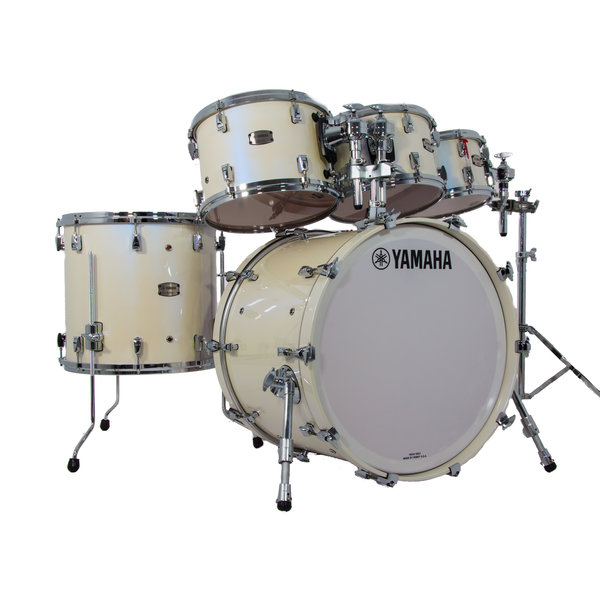
Piano Black
Cherry Wood
Both lacquered inside and out, and both exactly what people picture when they picture one of these kits. Cherry Wood arrived in 1984, so it only appears on later examples.
The Rare Ones
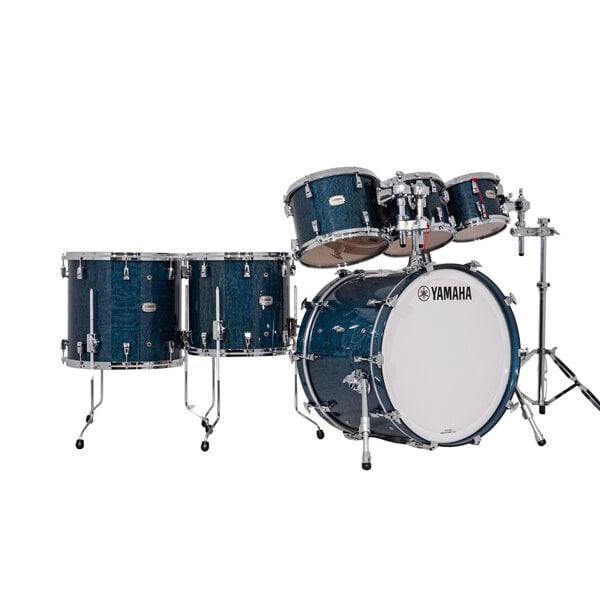
Deep Aqua Blue
Cobalt Blue
Hot Red
Canary Yellow
Far fewer were ordered in these, and they carry a premium to match. If you are buying as much for the colour as the sound, expect to wait for the right one.
Shallow Cherry Wood toms are worth a mention of their own, since they are notably harder to find than the standard depths.
Who played them, and on what
This is the real reason these kits hold their value. The 9000 was not merely popular, it was the default in professional studios for roughly a decade, and the records it is on are records most drummers can hum.
-
Steve Gadd, whose name is inseparable from these drums. Fifty Ways To Leave Your Lover, Aja, Graceland, and sessions with Aretha Franklin and Paul McCartney among a great many others.
-
Dave Weckl, across three Chick Corea Elektric Band records: the self-titled album in 1986, Light Years in 1987 and Eye Of The Beholder in 1988.
-
Vinnie Colaiuta, on Famous Blue Raincoat in 1986 and Big Dreamers Never Sleep in 1987.
-
Cozy Powell, on Whitesnake’s Slide It In in 1984 and with Emerson, Lake and Powell in 1986. Proof that a kit built for studio accuracy could be hit extremely hard.
The full story

If you want the sound without the age
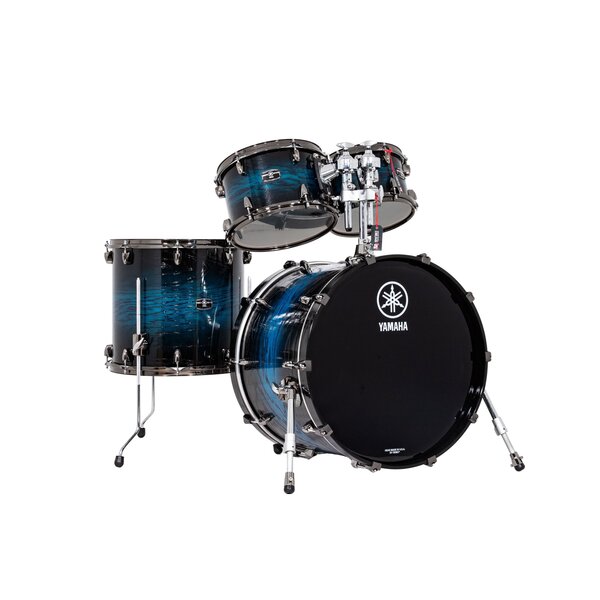
A vintage kit is not the only way to get here, and for some people it is not the right way. If you want a warranty, matched sizes and a finish of your choosing, the current range is where to look. The Recording Custom is the direct descendant.

Browse wider
See every Yamaha series in Yamaha Drum Kits, or look through the rest of our Vintage Drum Kits and Used Drum Kits. Got a kit to move on? We do part exchange and buy-ins.
Yamaha 9000 FAQs
Is a 9000 the same thing as a Recording Custom?
Same series, different name and different era. The 9000 was renamed Recording Custom in 1985, so a late 9000 and an early Recording Custom are effectively the same drums with a different badge. What is not the same is the Recording Custom you can buy new today, which was redesigned with Steve Gadd and relaunched in 2016 with new lugs, new edges, new mounting and a new bass drum design.
What is a Yamaha 9000 worth?
There is no single answer, and anyone who gives you one without seeing the kit is guessing. Era, finish, configuration, originality and condition all move the number considerably, and a rare colour in honest original lacquer sits a long way from a common finish that has been resprayed and is missing lugs. If you are trying to value a kit, send us photographs and we will tell you what we think, whether or not you are buying or selling through us.
Pre-YESS or YESS: which should I look for?
Honestly, do not let a label make the decision for you. The usual story is that earlier pre-YESS shells are thinner and that some collectors prefer them, but the dating of the changes is genuinely disputed, and "pre-YESS" may cover more than one kind of build. Both generations produced excellent drums. Judge the individual kit on its edges, its shells and how it sounds, and ask us for measurements and photographs of the actual drums rather than relying on a category.
Can I still get parts for one?
Not from Yamaha, not for a series this old. Lugs, badges, original hoops and mounting parts come from the second-hand market, from parted-out kits and from specialists, which means they are findable but neither quick nor cheap. This is the main reason the checklist above puts so much weight on buying a complete kit with its original hardware. A missing lug is a much bigger problem than a scratch.
Should I buy a vintage 9000 or a new Recording Custom?
If a particular era is the sound in your head, a good 9000 will get you closer to it than anything currently in production, and that is a perfectly good reason to buy one. If you want a warranty, matched sizes, a finish of your choosing and a kit that needs nothing doing to it, buy new. What we would gently push back on is buying a vintage kit purely because it looks like a cheaper route to the name. Buy a 9000 because you want a 9000.
Buying A Vintage Kit
Play it first, and ask us anything
The difference between buying a forty-year-old kit from a shop and buying one from a photograph is that you can sit behind it, and that someone who has handled a lot of these is standing next to you. Come to our 5,000 square foot Fareham showroom and play it. If you cannot get here, ask us for detailed photographs of the edges, the shells and the hardware and we will take them properly. We also take kits in part exchange if you are moving something on.